
In the era of rapid digital transformation, the hotel industry is constantly exploring innovative ways to enhance service quality and operational efficiency. Among the emerging technological applications, autonomous commercial intelligent delivery robots have emerged as a game-changer in the field of hotel package logistics distribution. These advanced robots, which integrate cutting-edge technologies such as artificial intelligence, autonomous navigation, and Internet of Things, are redefining the traditional hotel service model, bringing unprecedented convenience to both guests and hotel operations. This article delves into the core value, functional advantages, and future development trends of autonomous commercial intelligent delivery robots in hotel package logistics distribution services.
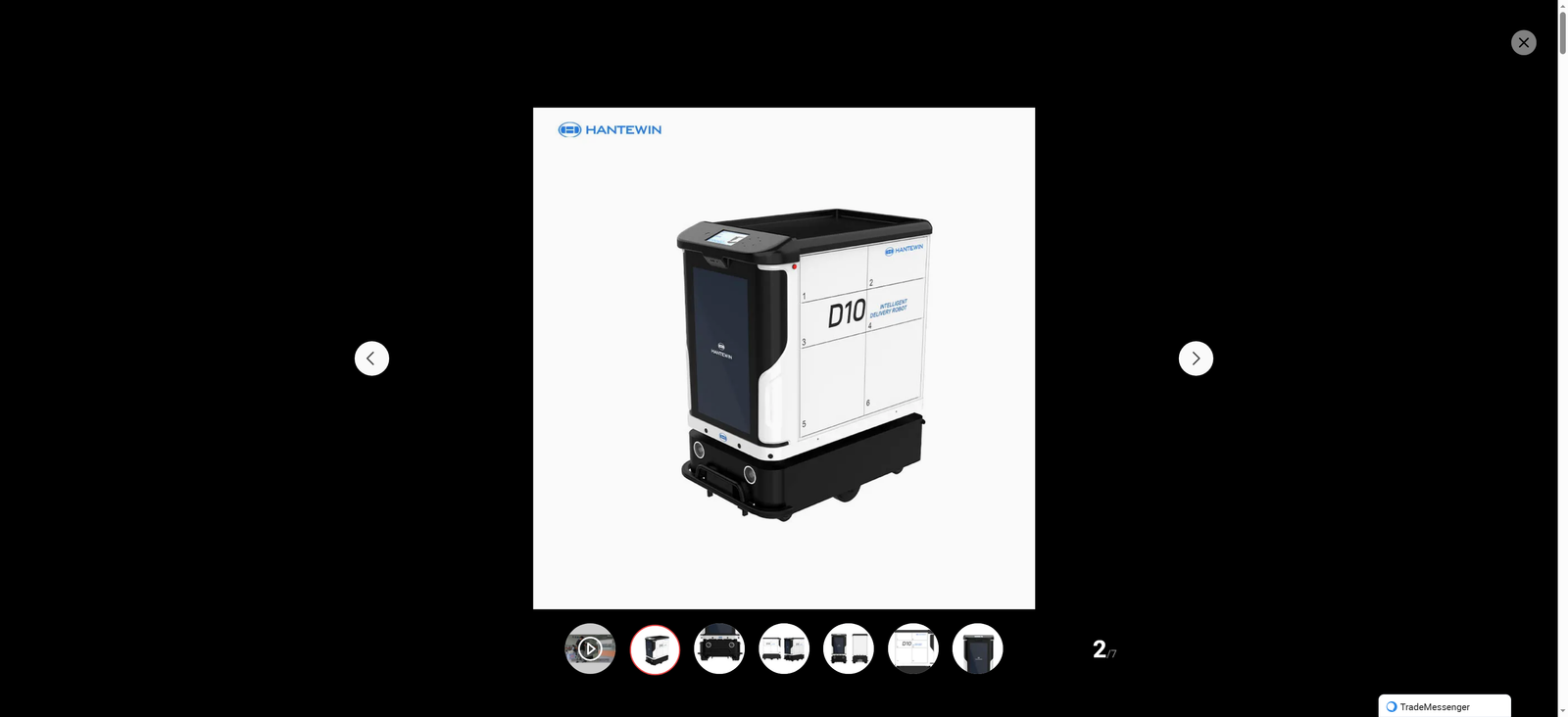
The application of autonomous commercial intelligent delivery robots in hotel package logistics distribution addresses the long-standing pain points of traditional hotel services. In conventional hotels, package handling and delivery rely heavily on manual labor. Front desk staff or bellboys need to sort, store, and deliver packages to guests' rooms, which not only consumes a great deal of human resources but also is prone to delays and errors. For example, during peak travel seasons, a large number of packages may accumulate at the front desk, leading to confusion in sorting and prolonged waiting time for guests. Moreover, manual delivery may be restricted by working hours, making it difficult to meet the needs of guests who arrive or require package delivery late at night. Autonomous commercial intelligent delivery robots, however, can operate 24 hours a day without interruption. They can automatically identify, sort, and deliver packages to designated rooms with high accuracy, greatly reducing the workload of hotel staff and improving the efficiency of package distribution.
The functional advantages of autonomous commercial intelligent delivery robots in hotel package logistics distribution are manifested in multiple aspects. Firstly, in terms of autonomous navigation, these robots are equipped with advanced sensors and mapping technologies, which enable them to accurately perceive the hotel environment, avoid obstacles such as pedestrians, elevators, and furniture, and plan the optimal delivery route. Whether it is a complex corridor structure or a crowded public area, the robots can move freely and reach the target room efficiently. Secondly, in terms of package management, the robots are equipped with intelligent identification systems that can scan and record package information, such as the recipient's room number, contact information, and package size. This information is synchronized with the hotel's management system, allowing hotel staff to track the delivery status of packages in real-time. At the same time, the robot's storage compartment is designed with multiple layers and can be locked automatically, ensuring the safety and privacy of the packages. Thirdly, in terms of user experience, guests can receive real-time notifications on their mobile phones when their packages arrive. They can also unlock the robot's storage compartment through face recognition, QR code scanning, or room card swiping, making the package collection process simple and convenient. This not only enhances the guest's sense of satisfaction but also improves the hotel's service image.
The integration of autonomous commercial intelligent delivery robots into hotel package logistics distribution services also brings significant economic benefits to hotels. On the one hand, it reduces the hotel's labor costs. By replacing manual labor with robots for package delivery, hotels can reduce the number of front desk staff and bellboys, thereby saving labor expenses. On the other hand, it improves the operational efficiency of the hotel, enabling staff to focus on more value-added services, such as guest reception and personalized service customization, which helps to enhance the hotel's core competitiveness. In addition, the application of intelligent robots can also attract more tech-savvy guests, especially young people, who are more inclined to choose hotels with advanced technological facilities, thus increasing the hotel's customer flow and revenue.
Looking into the future, the development prospects of autonomous commercial intelligent delivery robots in hotel package logistics distribution services are broad. With the continuous advancement of artificial intelligence and Internet of Things technologies, the functions of these robots will become more diversified and intelligent. For example, future robots may be able to provide more personalized services, such as delivering not only packages but also room service items such as food, drinks, and toiletries. They may also have more advanced interaction capabilities, being able to communicate with guests in natural language and answer their questions. Moreover, the integration of robots with other hotel systems, such as the smart room system and the property management system, will realize a more seamless and intelligent hotel service ecosystem. However, there are also some challenges that need to be addressed, such as the high initial investment cost of robots, the need for regular maintenance and updates, and the acceptance of some elderly guests. Hotels need to formulate reasonable application strategies, balance the investment and return, and strengthen staff training and guest guidance to promote the smooth application of intelligent delivery robots.
In conclusion, autonomous commercial intelligent delivery robots are bringing a profound revolution to hotel package logistics distribution services. Their application not only improves the efficiency and quality of package delivery but also reduces the operational costs of hotels and enhances the guest experience. As technology continues to evolve, these robots will play an increasingly important role in the hotel industry. Hotels that actively embrace this technological change and integrate intelligent delivery robots into their service systems will gain a competitive edge in the fierce market competition. The future of hotel services will be more intelligent, efficient, and personalized, with autonomous commercial intelligent delivery robots becoming an indispensable part of it.