
The New Engine of Service Efficiency: Item Delivery Robots Shine in Office, Hotel, Restaurant and KTV Scenarios
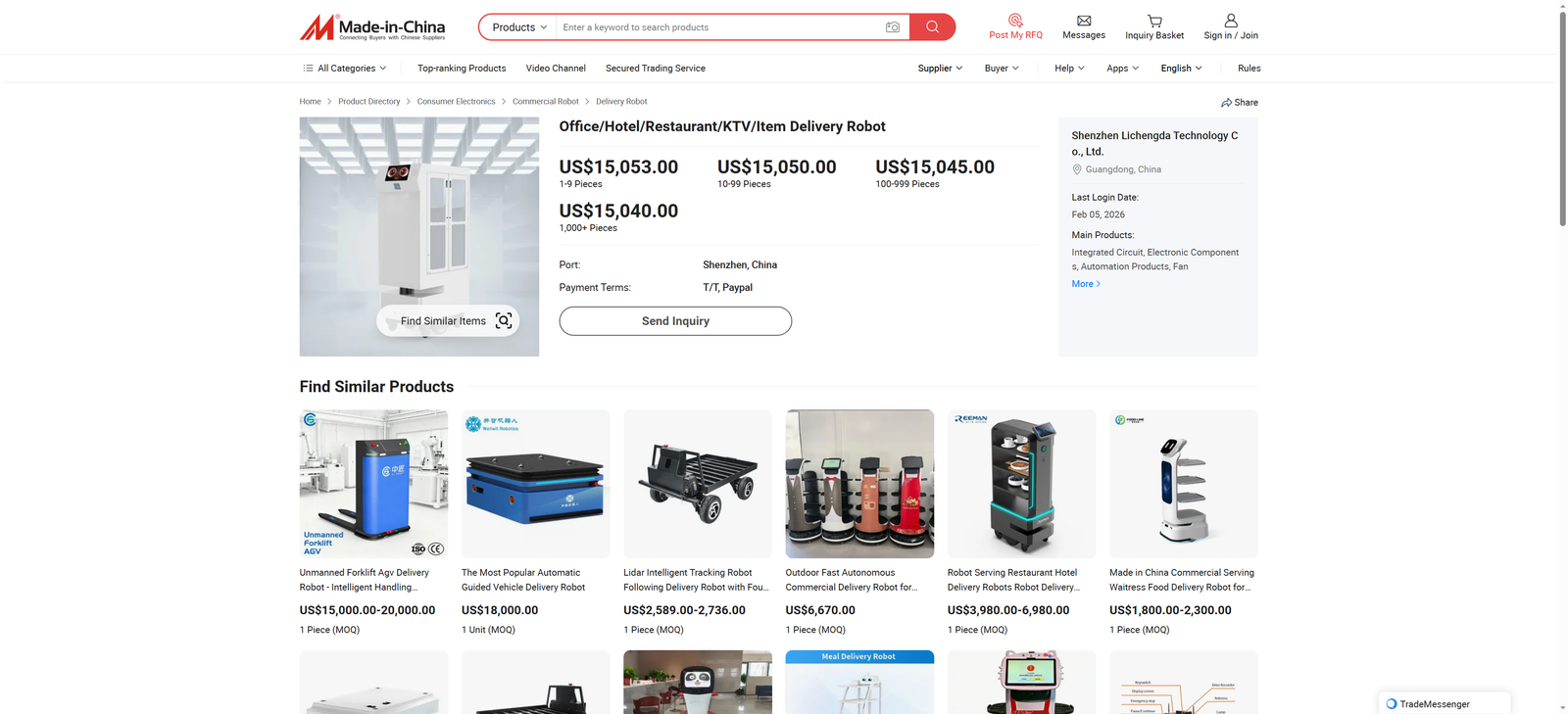
In the era of digital transformation, the service industry is undergoing a profound revolution driven by intelligent technology. Among various innovative solutions, item delivery robots have emerged as a key force, reshaping the service experience in scenarios such as offices, hotels, restaurants and KTVs. These intelligent robots are no longer just novel props, but practical tools that reduce labor costs, improve service efficiency and enhance customer satisfaction, becoming an indispensable part of modern service operations.
In the office scenario, item delivery robots have become efficient assistants for employees, solving the pain points of tedious and time-consuming internal item transfer. In large office buildings or enterprise parks, employees often need to spend a lot of time delivering documents, office supplies, meals, express packages and other items between floors or departments. Traditional manual delivery not only takes up valuable working hours but also easily leads to delays or losses due to human negligence. Item delivery robots, equipped with advanced navigation and obstacle avoidance technologies, can independently plan the optimal route, take elevators automatically and reach the designated office or workstation accurately. Employees only need to place the items in the robot’s storage compartment, set the target address through the intelligent terminal, and the robot can complete the delivery task efficiently. This not only frees employees from trivial delivery work, allowing them to focus more on core business, but also improves the efficiency of internal communication and collaboration, creating a more efficient and intelligent office environment.
Hotels, as a typical service-intensive industry, have strict requirements for service quality and efficiency, and item delivery robots have brought a new upgrade to hotel services. For guests, the need to get amenities (such as toothbrushes, slippers, water bottles), take-out, laundry or documents often arises during their stay. In the past, hotels relied on housekeeping staff or bellboys to complete these delivery tasks, which was limited by factors such as staff shifts and workload, and it was difficult to ensure 24-hour timely delivery. Now, with item delivery robots, hotels can achieve 24-hour uninterrupted delivery services. Guests can place delivery orders through the room phone, hotel APP or WeChat mini-program, and the robot will quickly deliver the items to the door of the guest room, and send a reminder to the guest through voice or message. This not only solves the problem of delayed delivery during peak hours or late at night but also reduces the contact between staff and guests, meeting the needs of some guests for privacy and contactless service. At the same time, the use of robots also reduces the labor pressure of hotel staff, allowing them to focus more on improving the quality of personalized services, enhancing the guest’s sense of experience and satisfaction.
In the restaurant scenario, item delivery robots have become a powerful helper to improve the efficiency of catering services, especially in large restaurants, hot pot restaurants and food courts with large passenger flow. During peak dining hours, waiters often face the pressure of busy ordering, serving and clearing tables, and the delivery of dishes is often delayed, which affects the dining experience of customers. Item delivery robots can take on the task of delivering dishes, soups, tableware and other items, and can accurately deliver the food to the designated table according to the order information. Equipped with stable storage compartments and anti-spill designs, the robots can ensure that the food remains intact during delivery. In addition, some advanced catering delivery robots can also identify empty tables, automatically return to the kitchen after delivering food, and even assist in clearing tableware, further reducing the workload of waiters. For customers, the novel experience of being served by robots also adds fun to dining, making the dining process more memorable. For restaurant operators, the use of delivery robots can reduce labor costs, improve service efficiency, and enhance the competitiveness of the restaurant in the market.
KTV, as a place for entertainment and social interaction, has unique service needs, and item delivery robots have also found a suitable position here, bringing more convenience and fun to consumers. In KTV private rooms, customers often need to order snacks, drinks, fruits and other items during their singing process. In the past, customers needed to call the waiter through the intercom or go to the front desk to order, which was not only inconvenient but also affected the entertainment experience. Now, with item delivery robots, customers can order items through the KTV’s intelligent ordering system, and the robot will quickly deliver the items to the private room door, and complete the delivery through voice prompts. The robots are designed with a stylish and cute appearance, which is in line with the entertainment atmosphere of KTV, and can even interact with customers simply, adding more fun to the entertainment process. For KTV operators, the use of delivery robots can reduce the number of waiters, reduce labor costs, and avoid the problem of delayed delivery due to busy waiters, improving customer satisfaction. At the same time, the intelligent image of robots can also enhance the brand image of KTV, attracting more young consumers.
The wide application of item delivery robots in office, hotel, restaurant and KTV scenarios is inseparable from the continuous progress of core technologies. With the development of artificial intelligence, laser navigation, visual recognition and other technologies, delivery robots have become more intelligent and stable. They can accurately identify obstacles in the environment, automatically avoid pedestrians, tables and chairs, walls and other objects, and adjust the route in real time to ensure the smooth completion of delivery tasks. In addition, the intelligent management system of robots allows operators to monitor the working status, location and task completion of each robot in real time, and conduct unified scheduling and maintenance, improving the efficiency of robot operation and management.
Looking to the future, with the continuous innovation and upgrading of technology, item delivery robots will have a wider application space and more powerful functions in office, hotel, restaurant and KTV scenarios. They will be more integrated with the service process, realizing more personalized and humanized services. For example, in hotels, robots can remember the preferences of regular guests and actively deliver favorite items; in restaurants, robots can recommend dishes according to the customer’s dining habits; in offices, robots can connect with the enterprise’s internal management system to complete more complex delivery tasks. At the same time, the cost of delivery robots will gradually decrease, making it possible for more small and medium-sized enterprises to use intelligent delivery equipment, promoting the comprehensive upgrading of the service industry.
In conclusion, item delivery robots have brought a new revolution to the service industry with their efficient, stable and intelligent advantages. In office, hotel, restaurant and KTV scenarios, they not only solve the pain points of traditional manual delivery but also improve service quality and efficiency, reduce labor costs, and enhance the competitiveness of operators. With the continuous development of intelligent technology, delivery robots will become an important part of the modern service industry, creating a more efficient, convenient and intelligent service experience for people.