
High-Stability Transfer Robots: Empowering Efficient Operation in Diversified Scenarios
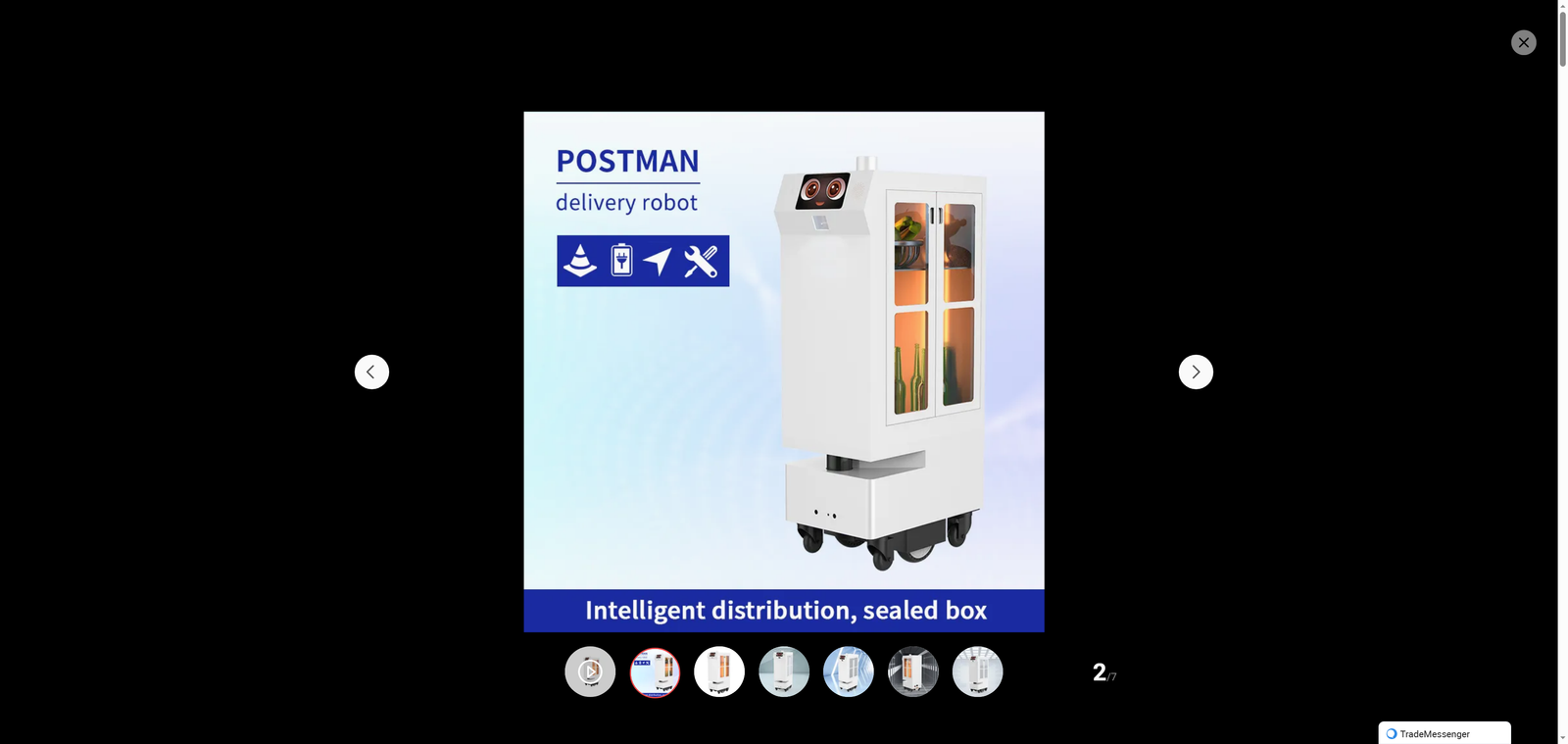
In the era of intelligent transformation, the demand for automated transfer solutions is soaring in various industries. From office buildings with dense document flow to hotels pursuing high-quality services, from restaurants with busy meal peaks to KTVs emphasizing customer experience, and from government departments with strict document management requirements, the core appeal for transfer tools is increasingly focusing on "high stability". As a new type of intelligent equipment, office, hotel, restaurant, KTV and government document transfer robots stand out with their outstanding stability, breaking through the bottlenecks of traditional manual transfer and injecting strong impetus into the efficient development of various industries.
High stability is the core competitiveness of transfer robots, which is reflected in the consistency of operation, the reliability of equipment and the adaptability of scenarios. Different from manual transfer which is easily affected by physical strength, mood and human error, transfer robots rely on advanced navigation and positioning technology, high-precision motion control system and mature hardware configuration to ensure that every transfer task is completed accurately and stably. Whether it is long-distance continuous operation in large venues or precise docking in narrow spaces, the robots can maintain stable performance, effectively avoid the risks of delay, loss and damage caused by manual transfer, and improve the overall efficiency and quality of work.
In office buildings, the transfer of documents, materials and office supplies is a daily and frequent work. The traditional manual transfer mode not only consumes a lot of human resources, but also is prone to document loss or delay due to busy work, which affects the progress of work. High-stability office transfer robots can realize automatic path planning, avoid obstacles flexibly, and accurately send documents and materials to the designated office or personnel. They can work continuously for a long time without being affected by working hours and environment, ensuring the timely and safe transfer of office materials. Especially for large enterprise groups or office buildings with multiple floors and multiple departments, the robots can rely on stable multi-floor docking technology and intelligent scheduling system to realize efficient circulation of materials between different floors and departments, greatly reducing the workload of office staff and enabling them to focus on more important core work.
Hotels are places that pursue high-quality service experience, and the efficiency and quality of material transfer are directly related to customer satisfaction. From the delivery of luggage for guests, the distribution of room supplies (such as towels, mineral water, etc.) to the transfer of catering materials and cleaning tools, all need to be completed in a timely and stable manner. High-stability hotel transfer robots can perfectly meet these needs. They can operate stably in crowded hotel lobbies, corridors and elevators, accurately reach the designated guest rooms or areas, and complete the delivery and transfer tasks quietly. Compared with manual service, the robots can avoid the influence of human factors such as service attitude and work efficiency, ensure that every service link is standardized and stable, and improve the overall service level of the hotel. At the same time, the 24-hour continuous operation capability of the robots also solves the problem of insufficient manual resources during off-peak hours, ensuring the continuity and stability of hotel services.
Restaurants, especially large catering venues or chain restaurants, face the problem of heavy material transfer tasks during meal peaks. The transfer of ingredients, tableware, dishes and other items needs to be fast and stable to ensure that dishes can be served in time and tableware can be recycled quickly. The high-stability restaurant transfer robots are equipped with anti-collision and anti-slip devices, which can move stably in the narrow and busy dining area, avoiding collisions with guests or waiters. They can accurately dock with the kitchen and dining tables, realize the automatic delivery of dishes and the recycling of tableware, and greatly improve the efficiency of meal service. Even in the case of large passenger flow and complex environment, the robots can maintain stable operation, effectively alleviate the work pressure of the catering staff, reduce the error rate of manual transfer, and ensure the smooth progress of the restaurant's business during meal peaks.
KTV venues have the characteristics of dark environment, complex layout and large flow of people, which put forward higher requirements for the stability and adaptability of transfer robots. The main transfer tasks in KTV include the delivery of drinks, snacks, microphones and other items, as well as the transfer of cleaning tools. High-stability KTV transfer robots adopt high-sensitivity sensor technology and adaptive navigation algorithm, which can accurately identify the environment in the dark and complex KTV space, avoid obstacles such as sofas, coffee tables and guests, and stably reach the designated private rooms. The robots can complete the delivery tasks quietly without affecting the entertainment experience of guests, and can also realize the automatic recycling of garbage and tableware, reducing the workload of the venue staff. At the same time, the stable operation performance of the robots can avoid equipment failure in the process of use, ensuring the continuity of service and improving the operating efficiency of KTV venues.
Government document transfer has strict requirements on confidentiality, timeliness and accuracy. Any error or delay in the transfer process may lead to serious consequences. High-stability government document transfer robots are designed with high standards in terms of safety and stability. They are equipped with encrypted communication modules and identity authentication systems to ensure the confidentiality and security of documents during transfer. The robots can realize the automatic transfer of documents between different departments of government agencies, accurately send important documents to the designated personnel, and record the whole transfer process in real time for inquiry and traceability. The stable operation performance of the robots can avoid the loss, damage or delay of documents caused by manual transfer, ensure the smooth progress of government work, and improve the efficiency and standardization of government document management.
In addition to the adaptation to the above diversified scenarios, the high stability of transfer robots is also reflected in their long service life and low maintenance cost. The robots adopt high-quality core components and mature technical solutions, which have strong wear resistance and durability, and can maintain stable performance after long-term use. At the same time, the intelligent fault diagnosis system of the robots can timely find and warn potential faults, reduce the frequency of faults and maintenance costs, and provide long-term and stable service support for various industries.
With the continuous deepening of intelligent transformation, the demand for high-stability transfer robots in various industries will continue to grow. In the future, transfer robots will be more closely integrated with artificial intelligence, Internet of Things and other technologies, and their stability and intelligence level will be further improved. They will not only be applied to more scenarios, but also play a more important role in promoting the digital and intelligent development of industries. As a powerful assistant for efficient operation in various industries, high-stability transfer robots will surely create greater value for the development of society and economy.