
Next-Gen Delivery Robot: Transforming Service Efficiency in Hotels and Retail Environments
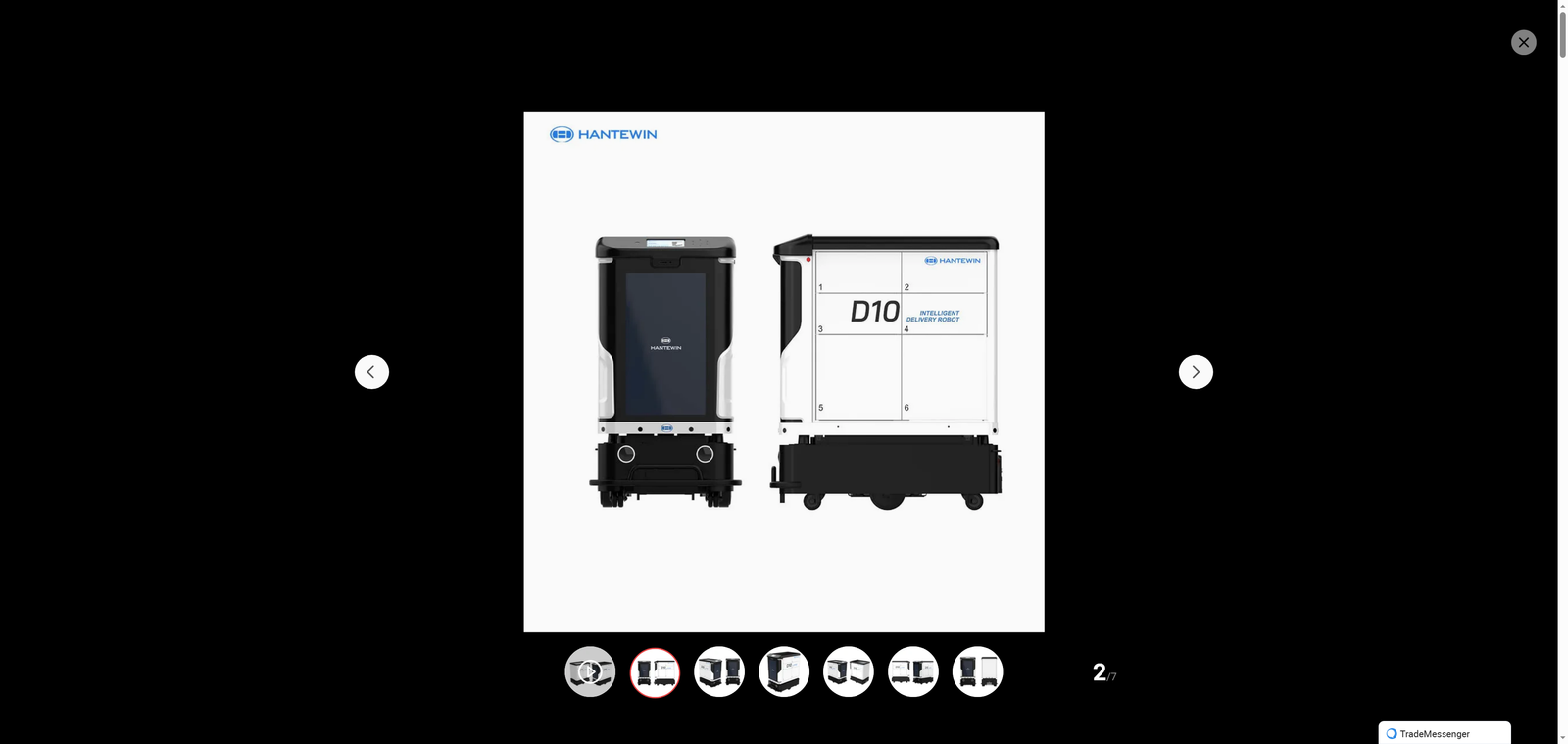
In the era of digital transformation, the integration of intelligent technology into service industries has become an irreversible trend. Among them, next-generation delivery robots, equipped with advanced navigation, perception and interaction technologies, are gradually emerging as game-changers in hotels and retail environments. Unlike traditional manual delivery, these smart robots not only break through the limitations of human resources but also redefine service standards with high efficiency, accuracy and personalization. From delivering luggage and room service in hotels to transporting goods and assisting customers in retail stores, next-gen delivery robots are injecting new vitality into the service industry and creating a more convenient, efficient and high-quality experience for both businesses and consumers.
The hotel industry, which takes "service quality" as its core competitiveness, is one of the key application fields of next-gen delivery robots. For a long time, hotels have been facing pain points such as high labor costs, uneven service quality and limited service hours. Next-gen delivery robots perfectly solve these problems with their outstanding performance. In terms of navigation and positioning, they adopt multi-sensor fusion technology, including lidar, visual sensors and ultrasonic sensors, which can accurately map the hotel environment in real time, avoid obstacles flexibly and reach the designated room or area with high precision. Whether it is delivering breakfast, mineral water and other daily necessities to guests' rooms, or transporting luggage for guests at the front desk, the robots can complete the tasks independently without manual intervention, greatly reducing the workload of hotel attendants.
Moreover, next-gen delivery robots in hotels are equipped with intelligent interaction systems, which can realize seamless communication with guests and hotel staff. Through voice recognition, touch screen and other interaction methods, guests can easily place delivery orders in the room or in the public area of the hotel, and query the progress of the order in real time. The robots can also respond to guests' simple inquiries, such as introducing hotel facilities and services, which enhances the sense of technology and personalization of the hotel service. In addition, the robots have the function of intelligent scheduling. The hotel management system can uniformly dispatch multiple robots according to the order quantity and task priority, optimize the delivery route, and improve the overall service efficiency. For example, during the peak check-in and check-out period, the robots can focus on luggage transportation services, while in the morning and evening peak periods of room service, they can switch to delivering daily necessities, ensuring that all service needs are met in a timely manner.
In retail environments, next-gen delivery robots are also playing an increasingly important role, promoting the transformation of retail services from "passive waiting" to "active service". With the rise of online and offline integrated retail models, consumers have higher and higher requirements for shopping convenience and efficiency. Next-gen delivery robots can realize multi-scenario service applications in retail stores, such as goods distribution, inventory management and customer guidance. In large shopping malls and supermarkets, the robots can help customers transport purchased goods to the parking lot or the entrance of the mall, solving the problem of difficult transportation of heavy goods for consumers, especially for the elderly, pregnant women and other groups. At the same time, the robots can also deliver goods ordered online by consumers to the designated pick-up points in the store, realizing the efficient connection of online orders and offline pick-up, and improving the shopping experience of consumers.
In terms of inventory management, next-gen delivery robots can regularly patrol the retail store, scan the barcodes or QR codes of goods through visual sensors, and accurately record the inventory quantity and location of goods. Once the inventory of a certain commodity is lower than the set threshold, the robot will automatically send an early warning to the store management system, reminding the staff to replenish the goods in time. This not only reduces the manual inventory workload and avoids the problems of missing inventory and wrong inventory, but also ensures the sufficient supply of goods and improves the operational efficiency of the retail store. In addition, the robots can also provide customers with personalized shopping guidance. By analyzing the customer's shopping preferences and historical consumption data, the robots can recommend suitable commodities to customers, introduce the functions and advantages of the commodities, and even lead customers to the shelf where the target commodities are located, which helps to improve the customer's purchase conversion rate.
The popularization and application of next-gen delivery robots in hotels and retail environments are not only due to their advanced technological support but also because they conform to the development needs of the service industry. For businesses, the use of delivery robots can effectively reduce labor costs. Compared with the high labor costs of hiring and training service personnel, the one-time investment in robots and the subsequent low maintenance costs can bring long-term economic benefits to businesses. At the same time, the robots can work 24 hours a day without fatigue, which greatly extends the service time and improves the service capacity of the business. In addition, the intelligent data collection and analysis function of the robots can help businesses grasp the service needs and consumption habits of customers in real time, provide data support for business decision-making, and promote the optimization and upgrading of services.
For consumers, next-gen delivery robots bring a more convenient, fast and high-quality service experience. In hotels, guests no longer need to wait for a long time for room service or luggage transportation, and can enjoy intimate services at any time. In retail stores, consumers can get rid of the trouble of carrying heavy goods and obtain personalized shopping guidance, making shopping more relaxed and pleasant. In addition, the contactless delivery service provided by the robots also meets the health and safety needs of consumers in the post-epidemic era, reducing the risk of cross-infection and enhancing consumers' sense of security.
Of course, the development of next-gen delivery robots is still facing some challenges. For example, in complex environments such as crowded hotel lobbies and retail stores with frequent personnel flow, the navigation and obstacle avoidance performance of robots needs to be further improved; the compatibility between robots and the existing management systems of businesses also needs to be strengthened; in addition, the cost of high-end robots is still relatively high, which restricts the large-scale promotion and application in some small and medium-sized businesses. However, with the continuous progress of artificial intelligence, sensor and other technologies, these problems will be gradually solved, and the performance of next-gen delivery robots will be more excellent, and the cost will be further reduced.
Looking to the future, next-gen delivery robots will have a broader application prospect in hotels and retail environments. With the development of 5G, Internet of Things and big data technologies, delivery robots will be more closely integrated with the intelligent management systems of hotels and retail stores, realizing more intelligent and humanized services. For example, robots can automatically recognize the identity of guests through face recognition technology, and deliver personalized services according to the guests' preferences; in retail stores, robots can cooperate with unmanned cash registers to realize the whole process of intelligent shopping from commodity selection to payment and delivery. At the same time, the application scenarios of delivery robots will also be further expanded, such as providing cleaning, disinfection and other services in addition to delivery, becoming a multi-functional intelligent service terminal in hotels and retail environments.
In conclusion, next-gen delivery robots are bringing a profound transformation to the service models of hotels and retail environments with their unique technological advantages and practical values. They not only solve the pain points of the traditional service industry but also create new development opportunities for businesses. As intelligent technology continues to innovate and develop, next-gen delivery robots will become an indispensable part of the hotel and retail industries, promoting the service industry to move towards a more intelligent, efficient and high-quality future. For businesses, seizing the opportunity of intelligent transformation and actively applying next-gen delivery robots will be an important way to enhance their core competitiveness in the fierce market competition.