
New Arrival: Intelligent Food Delivery Robots Redefine Hotel Restaurant Services
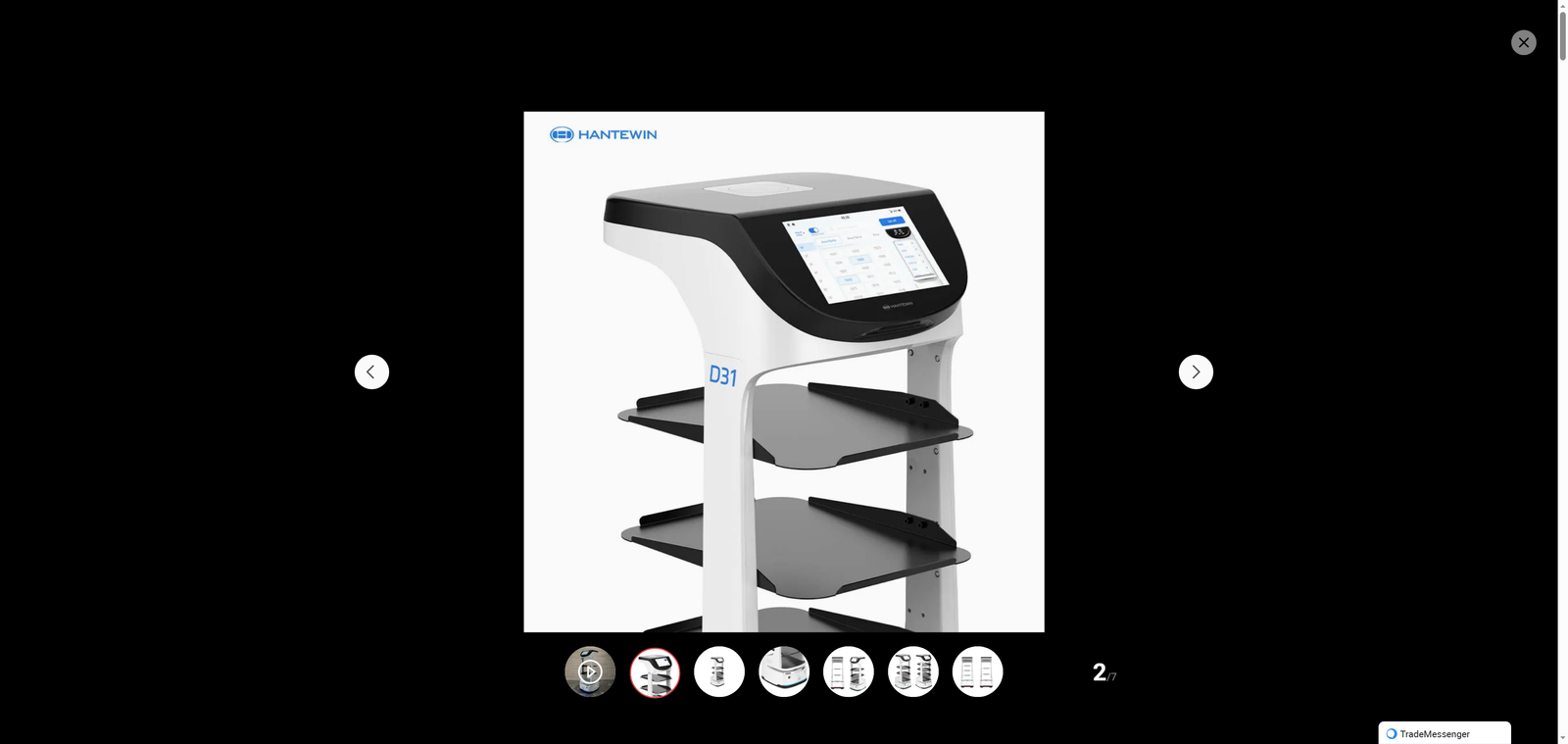
With the rapid development of intelligent technology, the hotel and catering industry is undergoing a profound transformation. Among the many innovative equipment, the newly launched hotel restaurant food delivery robot—an intelligent auto meal self-service robot—has gradually become a new benchmark for high-quality services in star hotels and boutique restaurants. It is not only a "new face" that attracts customers' attention but also a powerful assistant that optimizes service efficiency, breaks through traditional service bottlenecks, and injects a new vitality into the hotel and catering industry.
The hotel restaurant food delivery robot is a high-tech product integrating artificial intelligence, automatic navigation, and intelligent control. Different from the traditional manual food delivery mode, this intelligent robot can complete a series of service processes independently, from receiving orders in the kitchen, carrying meals accurately, to delivering them to the designated table, and even returning to the kitchen automatically after the meal is taken. Equipped with advanced laser navigation and obstacle avoidance sensors, it can flexibly bypass diners, tables and chairs, and other obstacles in the restaurant, and accurately reach the target position without manual guidance. Its stable movement and precise positioning not only avoid the risk of food spilling caused by manual delivery but also ensure that diners can enjoy their meals in the shortest time, greatly improving the timeliness of service.
As a new arrival in the hotel and catering industry, the intelligent auto meal self-service robot has brought a comprehensive upgrade to the service experience. For diners, the appearance of the robot is full of technological sense, which adds a unique fun to the dining process—many diners will take photos and share them on social media, becoming a "net red check-in point" for the hotel restaurant invisibly. At the same time, the robot delivers meals with a standardized and polite service attitude, without the fatigue or emotional fluctuations that may occur in manual service, ensuring that every diner can receive consistent high-quality service. For hotel restaurants, the application of food delivery robots effectively solves the problem of labor shortage in the catering industry. Especially during peak dining hours, when manual waiters are busy, the robot can undertake most of the food delivery work, reducing the work pressure of the service staff, so that they can focus more on providing personalized services such as ordering and consulting for diners, and improving the overall service quality.
In addition to optimizing the service process, the hotel restaurant food delivery robot also shows significant advantages in cost control and safety management. In the long run, although the initial investment of the robot is relatively high, it can work 24 hours a day without rest, overtime pay, or training costs, which can greatly reduce the long-term labor cost of the hotel restaurant. In terms of food safety, the robot's food delivery box adopts a closed design, which can effectively isolate dust, bacteria, and other pollutants, ensuring the hygiene and safety of food in the delivery process. At the same time, the robot's operation process can be fully recorded and traced through the background system, which is convenient for the hotel restaurant to manage and supervise the service process and further standardize the service standards.
The launch of the hotel restaurant food delivery robot is not a replacement for manual service, but a complementary and upgrading of the service mode. It uses intelligent technology to take over the tedious and repetitive physical work, while releasing the service potential of manual staff, so that the combination of "intelligence humanity" can create a better dining experience for diners. With the continuous progress of technology, future food delivery robots will be more intelligent—they may have voice interaction functions to communicate with diners freely; they may also realize intelligent meal sorting and automatic recycling of tableware, further expanding the scope of service.
In the tide of intelligent transformation, the new arrival of hotel restaurant food delivery robots is a vivid practice of the hotel and catering industry keeping pace with the times. It not only shows the infinite possibilities of technological innovation in the service industry but also sets a new example for the high-quality development of the hotel and catering industry. It is believed that with the popularization and application of intelligent food delivery robots, the hotel restaurant service will be more efficient, standardized, and humanized, bringing a better experience to every diner and writing a new chapter in the intelligent development of the hotel and catering industry.