
Elevator-Navigating Intelligent Food Delivery Robots: Reshaping Service Experience in Hotels and Restaurants
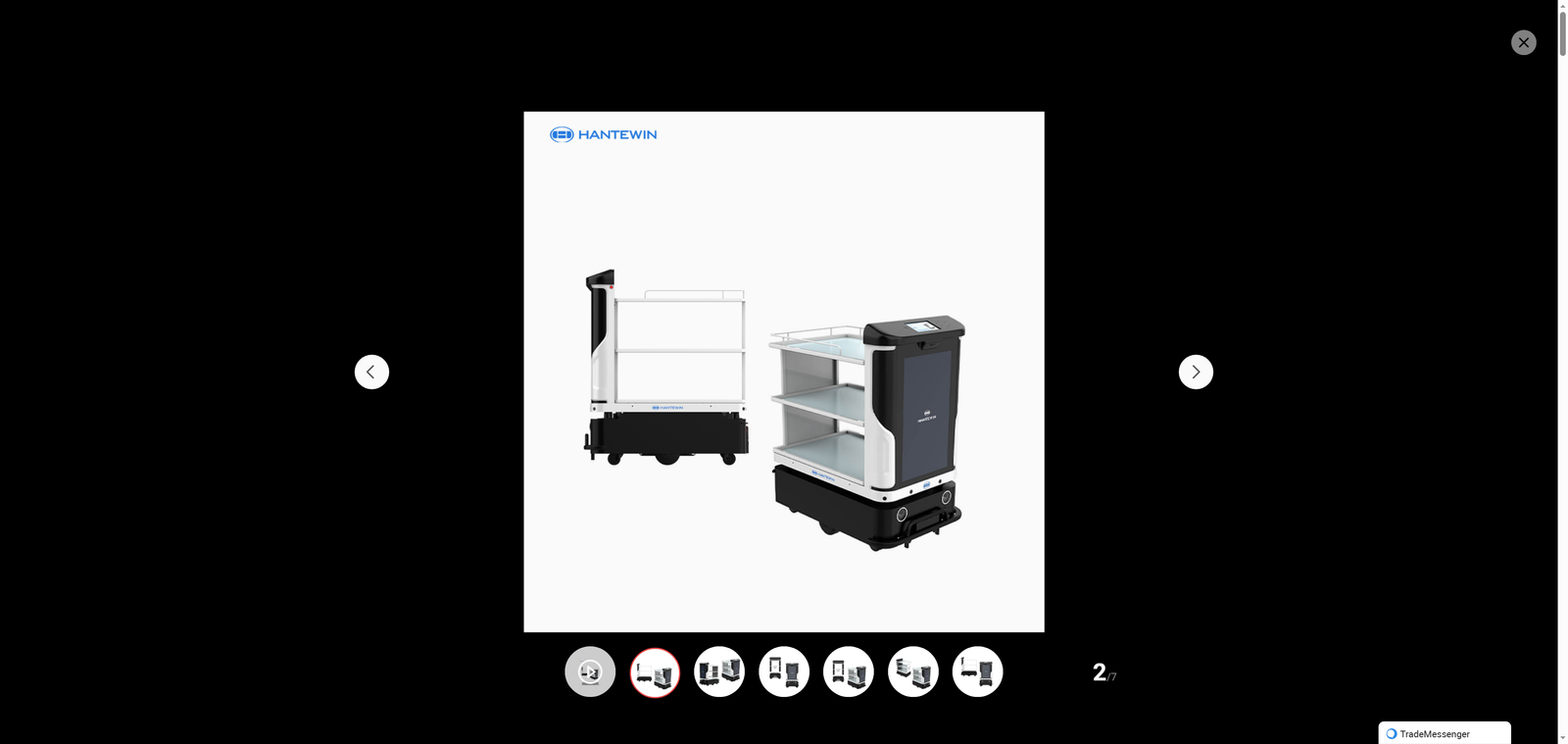
In the era of intelligent transformation, the service industry is undergoing a profound revolution driven by technological innovation. For hotels and restaurants, where service efficiency and customer experience are core competitiveness, the emergence of automatic intelligent food delivery robots with elevator navigation functions has become a key breakthrough to solve pain points such as labor shortages, uneven service quality, and high operation costs. These robots, integrating advanced technologies such as automatic navigation, elevator interaction, and intelligent scheduling, are no longer simple "delivery tools" but have evolved into an important part of the intelligent service system, injecting new vitality into the traditional service industry.
The core advantage of elevator-navigating intelligent food delivery robots lies in their ability to break through the spatial limitations of single floors and realize full-scene, seamless delivery in multi-storey hotels and comprehensive restaurants. In the past, traditional food delivery robots were often limited to a single floor due to the inability to interact with elevators, and their application scope was greatly restricted. However, the new generation of intelligent food delivery robots has solved this problem through in-depth integration with elevator control systems. Equipped with high-precision sensors, visual recognition modules and dedicated elevator communication protocols, these robots can automatically identify elevator positions, call elevators accurately, and smoothly enter and exit elevators without manual intervention. Whether it is delivering meals from the restaurant on the first floor to the guest room on the 15th floor of the hotel, or sending afternoon tea from the lobby bar to the meeting room on the 8th floor, the robots can complete the task independently, realizing "from kitchen to table" and "from lobby to room" full-process automatic delivery.
Intelligence and automation are the core labels of this type of food delivery robot, which significantly improves the service efficiency of hotels and restaurants. In peak dining hours, restaurants often face the problem of insufficient waiters, resulting in delayed meal delivery, wrong orders and other issues that affect customer experience. The elevator-navigating food delivery robot can undertake most of the food delivery work. It can receive order information in real time through connection with the hotel and restaurant management system, plan the optimal delivery route intelligently, and avoid obstacles flexibly during the movement. Compared with manual delivery, robots do not need to rest, are not affected by emotions, and can maintain stable work efficiency for a long time. A single robot can complete dozens of delivery tasks per hour, which is several times that of manual work. At the same time, the robot's intelligent scheduling system can reasonably allocate tasks according to the number of orders, elevator operation status and other factors, avoiding the waste of human resources caused by unreasonable task arrangement, and effectively reducing the operating costs of hotels and restaurants.
In addition to improving efficiency and reducing costs, elevator-navigating intelligent food delivery robots also bring a new and high-quality service experience to customers. For hotel guests, when they order meals in the room, they no longer need to wait for the waiter to knock on the door for a long time. The robot can accurately send the meals to the door of the guest room at the scheduled time, and remind the guest to pick up the meals through a gentle voice broadcast. The whole process is quiet, efficient and hygienic, avoiding the inconvenience caused by manual contact. For restaurant customers, the novel appearance and intelligent interaction of the robot can also add a sense of fun to the dining experience. Many robots are equipped with voice interaction functions, which can answer simple customer questions, play music and other interactive behaviors, making dining no longer just a matter of eating, but also an experience of technological fun. In addition, the robot's closed food delivery box can effectively ensure the hygiene and temperature of the food, avoiding the pollution caused by manual delivery, and further improving the customer's sense of trust in the service quality of hotels and restaurants.
The application of elevator-navigating intelligent food delivery robots also reflects the green and low-carbon development concept of hotels and restaurants. Compared with traditional manual delivery, robots use electric energy as power, which has no exhaust emissions and low noise, and is more in line with the requirements of energy conservation and environmental protection. At the same time, the promotion and application of robots can reduce the labor demand of hotels and restaurants, and indirectly reduce the energy consumption and carbon emissions caused by the daily commuting of a large number of employees, which has important practical significance for promoting the green transformation of the service industry.
Of course, the popularization and application of elevator-navigating intelligent food delivery robots still face some challenges. For example, the transformation cost of elevator equipment in some old hotels and restaurants is relatively high, the compatibility between robots and different brands of elevators needs to be further improved, and the maintenance and after-sales service system of robots also needs to be continuously improved. However, with the continuous progress of technology and the gradual reduction of hardware costs, these problems will be gradually solved. More and more hotels and restaurants have realized the value of intelligent food delivery robots and started to introduce and apply them, forming a good trend of intelligent transformation.
Looking to the future, with the integration and development of technologies such as 5G, artificial intelligence and the Internet of Things, elevator-navigating intelligent food delivery robots will be more intelligent and humanized. They will not only be able to complete food delivery tasks, but also undertake more service functions such as room cleaning reminders, guest guidance and emergency material delivery, becoming a "multi-functional service expert" in hotels and restaurants. At the same time, the application scope of robots will also be further expanded, covering more scenarios such as high-end hotels, chain restaurants and business complexes, and promoting the comprehensive upgrading of the service industry's intelligent level.
In conclusion, the elevator-navigating automatic intelligent food delivery robot is a powerful weapon for hotels and restaurants to realize intelligent transformation, improve service quality and reduce operating costs. It not only reshapes the service mode of the industry, but also brings a new experience to customers. With the continuous advancement of technology, we have reason to believe that these intelligent robots will play a more important role in the service industry in the future, contributing more to the high-quality development of the service industry.