
Medical Disinfection Robot: Revolutionizing Hygiene in Hospital and Patient Room Sterilization
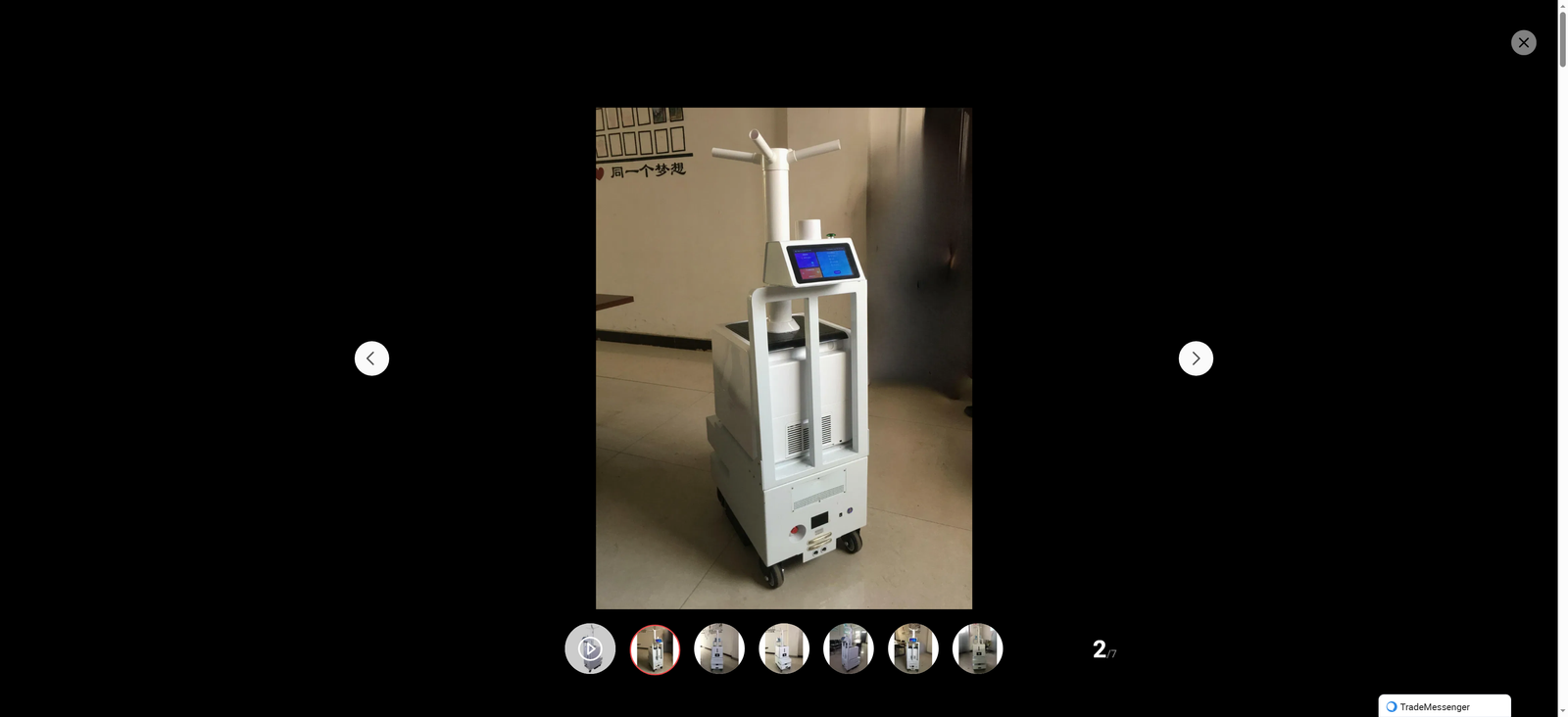
In the fast-paced and high-stakes environment of healthcare facilities, maintaining rigorous hygiene standards is not just a priority—it is a fundamental obligation to protect patients, healthcare workers, and visitors alike. Hospital-acquired infections (HAIs) remain a persistent challenge, affecting millions of patients worldwide each year, leading to prolonged hospital stays, increased medical costs, and even loss of life. Traditional manual disinfection methods, while essential, are often limited by human error, inconsistency, and the inability to reach every hard-to-access corner. Enter the Medical Disinfection Robot, a cutting-edge solution that is transforming how hospitals approach sterilization—particularly in critical areas like patient rooms. As a specialized Hospital Sterilization Robot and Patient Room Sanitization Robot, this intelligent equipment is redefining hygiene protocols, elevating safety standards, and easing the burden on healthcare staff.
The core mission of a Medical Disinfection Robot is to deliver efficient, reliable, and contactless disinfection that outperforms manual methods—especially in environments where cleanliness is a matter of life and death. Unlike human cleaners who may miss surfaces, rush through protocols, or be exposed to harmful pathogens and chemicals, these robots operate with precision, consistency, and zero risk of cross-contamination. Designed specifically as a Hospital Sterilization Robot, they are engineered to adapt to the unique layout of healthcare facilities, from busy operating rooms and intensive care units (ICUs) to the intimate, high-touch spaces of patient rooms—where the Patient Room Sanitization Robot plays an especially vital role in protecting vulnerable individuals recovering from illness or surgery.
At the heart of these robots’ effectiveness lies advanced technology that combines powerful disinfection mechanisms with intelligent autonomy. Most Medical Disinfection Robots utilize UV-C light technology, a proven method that destroys the DNA and RNA of bacteria, viruses, fungi, and other pathogens, achieving a disinfection rate of up to 99.99% in minutes. Some models integrate dual-action disinfection, pairing UV-C light with disinfectant spray or plasma technology to ensure 360-degree, no-dead-angle sanitization—covering everything from bed rails, doorknobs, and medical equipment surfaces to floors and ceilings. Equipped with ultrasonic, infrared, or laser radar sensors, these robots navigate autonomously, mapping the environment in real time, avoiding obstacles, and adjusting their path dynamically to ensure every area is thoroughly treated. For patient rooms, this means the robot can move around beds, chairs, and medical devices without human intervention, reaching crevices and high-touch points that are often overlooked during manual cleaning.
Safety is a non-negotiable feature of any Hospital Sterilization Robot, especially in patient-centric spaces. Modern models are equipped with motion sensors that instantly halt operation and turn off UV-C lights when human presence is detected, preventing harmful exposure to patients, staff, or visitors. They also feature automatic recharge capabilities, returning to their docking stations when battery levels are low to ensure continuous availability—and some can even generate detailed disinfection reports, logging the areas treated, duration of disinfection, and pathogen reduction rates for compliance and accountability purposes. This data-driven approach not only enhances transparency but also helps healthcare facilities meet strict hygiene regulations and standards, such as those set by global health authorities.
The impact of the Patient Room Sanitization Robot extends beyond just killing pathogens—it also improves operational efficiency and reduces the workload on overburdened healthcare staff. Manual disinfection of a single patient room can take 30 minutes or more, depending on the size and complexity of the space. In contrast, a Medical Disinfection Robot can sanitize the same room in a fraction of the time, allowing staff to focus on patient care rather than time-consuming cleaning tasks. This efficiency is particularly critical in busy hospitals, where quick room turnover is essential to accommodate incoming patients and reduce wait times. Additionally, by automating disinfection, healthcare facilities can lower operational costs associated with manual labor, disinfectant supplies, and the treatment of HAIs—which cost billions of euros annually in Europe alone.
As the global healthcare industry continues to prioritize infection prevention, the adoption of Medical Disinfection Robots is rapidly increasing. From large tertiary hospitals to small clinics, these robots are becoming a staple in hygiene protocols, especially in high-risk areas like patient rooms, ICUs, and operating theaters. Market data shows that the medical disinfection robot segment is growing rapidly, with a focus on智能化 (intelligence), modular design, and multi-technology integration—reflecting the industry’s demand for more efficient, versatile, and user-friendly solutions. For patients, this means a safer recovery environment with a significantly reduced risk of HAIs. For healthcare providers, it means peace of mind, knowing that their facilities are equipped with the most advanced tools to protect those in their care.
In conclusion, the Medical Disinfection Robot—whether serving as a Hospital Sterilization Robot or a specialized Patient Room Sanitization Robot—is more than just a piece of equipment; it is a critical ally in the fight against hospital-acquired infections. By combining advanced disinfection technology, intelligent autonomy, and strict safety features, these robots are setting a new standard for hygiene in healthcare facilities. They not only deliver superior, consistent disinfection but also empower healthcare staff to focus on what matters most: providing compassionate, high-quality care to patients. As technology continues to evolve, we can expect these robots to become even more sophisticated, further revolutionizing infection prevention and making healthcare environments safer for everyone.