
In the dynamic landscape of the global hospitality and catering industry, efficiency, hygiene, and customer experience have become the core pillars of competition. Amid this trend, Made-in-China commercial serving waitress food delivery robots have emerged as game-changers, reshaping the way restaurants and hotels deliver services. Combining advanced technology, cost-effectiveness, and user-friendly design, these robots are not only a symbol of China's manufacturing upgrading but also a practical solution to the pain points faced by the service industry worldwide.
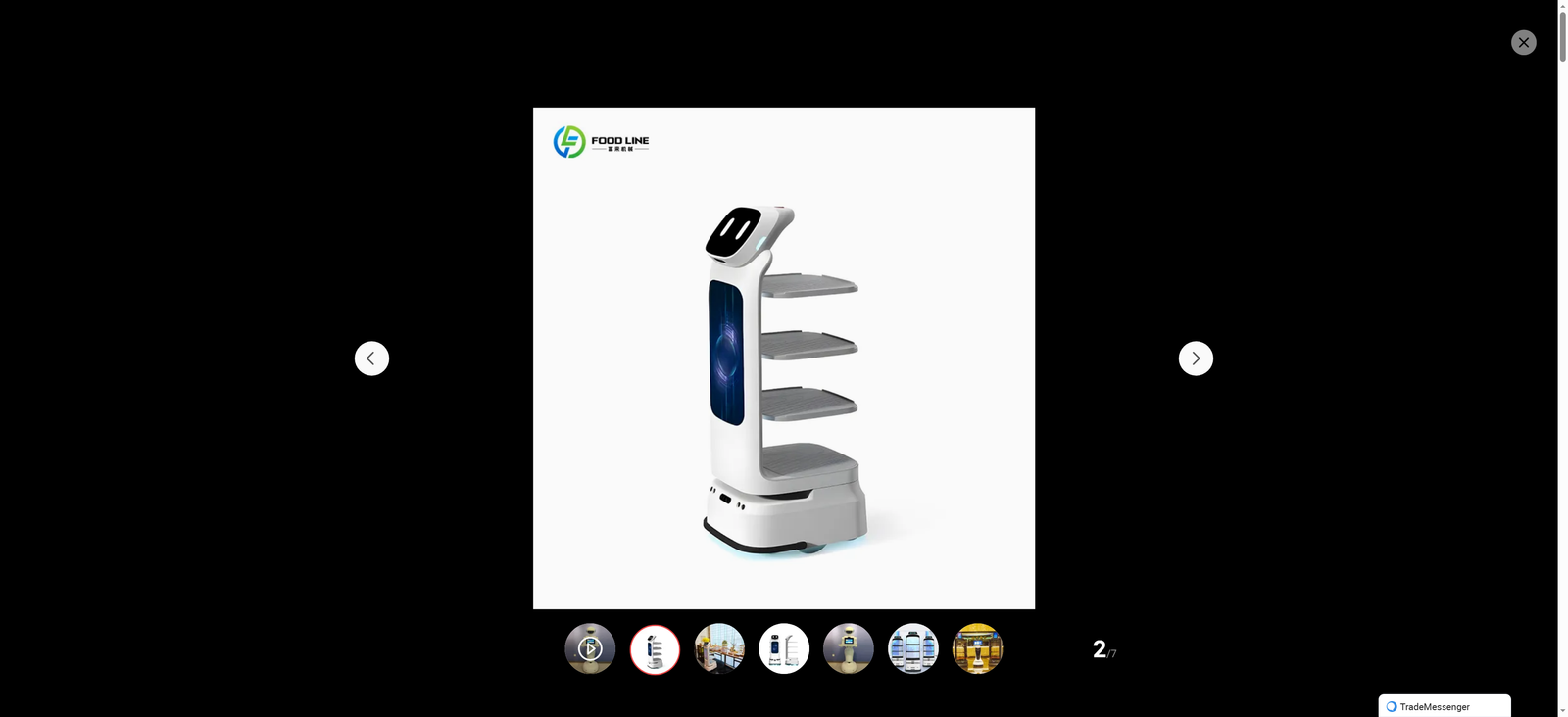
One of the most prominent advantages of Made-in-China food delivery robots lies in their high adaptability to diverse scenarios. Whether it is a bustling restaurant during peak hours, a elegant hotel banquet hall, or a cozy café with narrow corridors, these robots can navigate with precision. Equipped with advanced laser radar, visual sensors, and AI algorithms, they can automatically avoid obstacles, recognize tables, and plan the optimal delivery routes. Unlike human waitstaff who may feel exhausted during busy periods, these robots maintain consistent work efficiency, ensuring that dishes and beverages are delivered to customers in a timely manner. For example, in large-scale hot pot restaurants or buffet hotels, the robots can continuously shuttle between the kitchen and dining areas, reducing the waiting time of customers and improving the turnover rate of tables.
Cost control is another key factor driving the popularity of these Made-in-China robots in the commercial sector. In recent years, the global service industry has been facing challenges such as labor shortages and rising labor costs. Hiring and training a team of waitstaff requires a significant investment of time and money, while food delivery robots can achieve a return on investment in a relatively short period. Once purchased, the robots only need regular maintenance, and their service life can reach several years. For small and medium-sized restaurants and budget hotels with limited funds, this is undoubtedly a cost-effective choice. Moreover, these robots can work 24 hours a day without the need for rest, holidays, or overtime pay, further reducing the long-term operating costs of businesses.
Hygiene and safety have become increasingly important to customers since the pandemic, and Made-in-China food delivery robots perfectly meet this demand. The robot bodies are made of food-grade stainless steel and other easy-to-clean materials, which can be disinfected regularly to avoid cross-contamination caused by human contact. During the delivery process, the robots use sealed food boxes to ensure that the food is not exposed to the external environment, maintaining its freshness and hygiene. This not only enhances customer trust in the restaurant or hotel but also helps businesses comply with the strict hygiene standards of the industry.
In addition to practical functions, Made-in-China food delivery robots also add a sense of technology and fun to the service experience. Many robots are designed with cute appearances and humanized interactive functions. They can greet customers with voice prompts, answer simple questions, and even play music. This innovative service method not only attracts young customers but also makes the dining and accommodation experience more memorable. In high-end hotels, the use of intelligent food delivery robots also helps to improve the hotel's brand image, highlighting its pursuit of innovation and high-quality service.
The development of Made-in-China commercial food delivery robots is also supported by China's strong manufacturing industry and technological innovation capabilities. Chinese manufacturers have continuously optimized the performance and design of the robots based on market demand, improving their stability, load capacity, and battery life. At the same time, with the advancement of 5G, IoT, and AI technologies, these robots are becoming more intelligent. They can be connected to the restaurant's POS system and kitchen management system, realizing automatic order receiving, order sorting, and delivery tracking. This seamless integration with the existing service system further improves the overall operational efficiency of the business.
Today, Made-in-China commercial serving waitress food delivery robots have been exported to many countries and regions around the world, winning wide recognition from the global hospitality and catering industry. From small diners to five-star hotels, from domestic cities to international metropolises, these robots are quietly changing the traditional service model. They are not replacing human waitstaff, but rather complementing them, allowing human resources to be allocated to more value-added services such as customer communication and personalized service.
In conclusion, Made-in-China commercial food delivery robots represent the perfect combination of Chinese manufacturing strength and technological innovation. With their advantages in efficiency, cost, hygiene, and user experience, they are bringing a new revolution to the restaurant and hotel industry. As technology continues to advance, these robots will become more intelligent and diversified, contributing more to the sustainable development of the global service industry.