
The New Era of Intelligent Service: How Automatic Food Serving & Delivery Robots Reshape Multiple Business Scenarios
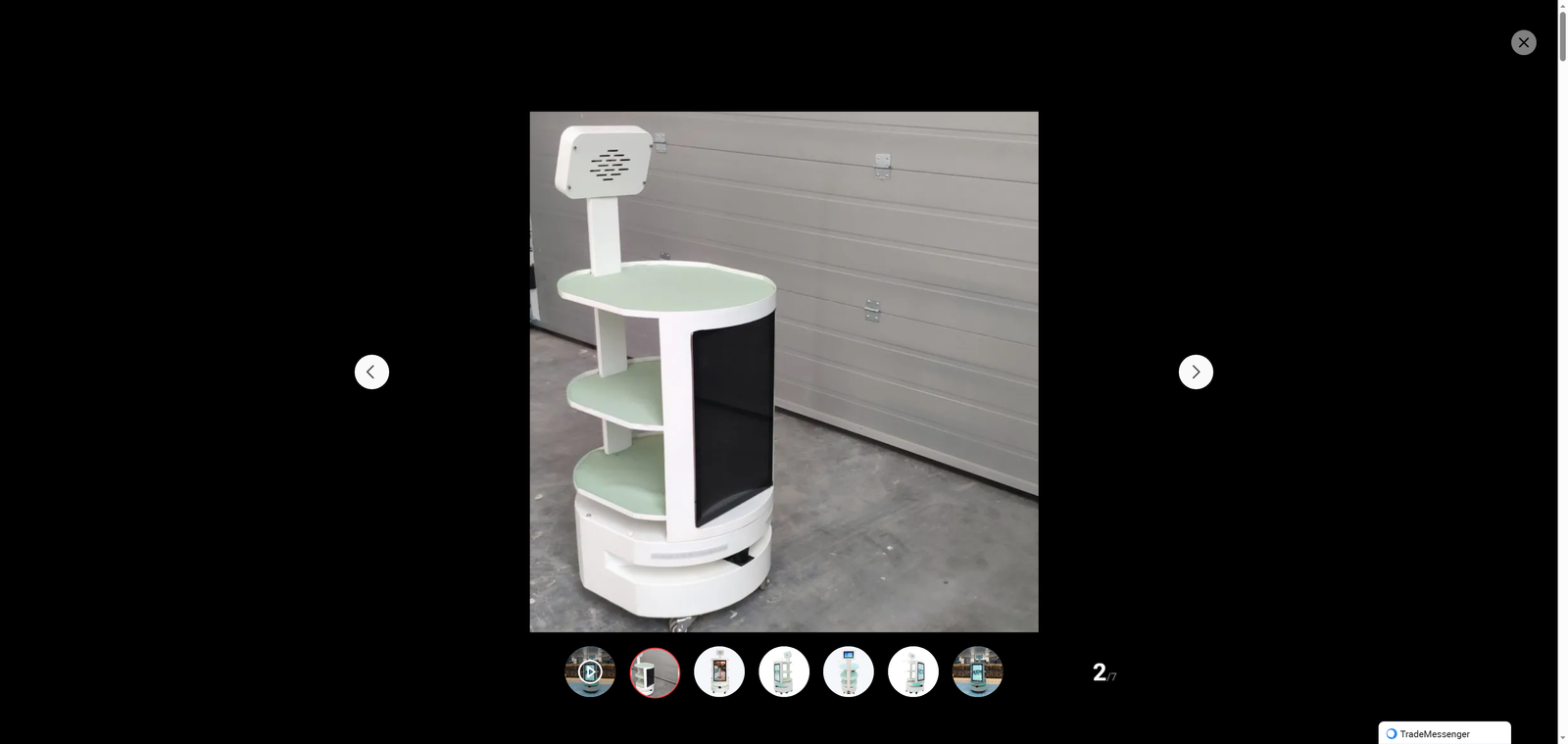
With the rapid development of artificial intelligence and robotics technology, intelligent service robots have gradually stepped out of the laboratory and entered various business fields, becoming a powerful assistant to improve service efficiency and enhance consumer experience. Among them, the Intelligent Waiter Robot, which is mainly designed for fully automatic food serving and item delivery, has shown broad application prospects in hotels, restaurants, malls, KTVs and other scenarios. It not only breaks the limitations of traditional manual service, but also injects new vitality into the upgrading of the service industry.
In hotels and restaurants, the core demand for service has always been "efficiency quality", and intelligent waiter robots perfectly fit this demand. In the peak dining period of restaurants, the shortage of waiters, long waiting time for serving, and easy mistakes in order delivery have always been pain points that plague operators. The intelligent waiter robot, equipped with advanced laser navigation, visual recognition and obstacle avoidance systems, can accurately plan the optimal path in the crowded dining area, shuttling freely between tables without colliding with guests or other objects. It can automatically receive orders from the front desk or the intelligent ordering system, take meals from the kitchen accurately according to the order information, and send them to the designated table. After the guests finish their meals, it can also take the initiative to collect tableware and send them back to the kitchen, forming a closed-loop service of "order receiving - serving - table cleaning".
For hotels, especially high-end hotels with large lobbies and multiple floors, the intelligent waiter robot can also play a variety of roles. It can not only deliver meals, fruits and drinks to the guest rooms according to the guests' needs, but also send documents, laundry and other items, reducing the workload of hotel attendants. Compared with manual service, the robot can work 24 hours a day without rest, fatigue or emotional fluctuations, ensuring stable and standardized service quality at all times. At the same time, the novel service method of the robot can also become a unique highlight of the hotel, enhancing the sense of technology and experience of guests, and helping the hotel establish a more high-end and intelligent brand image.
In addition to hotels and restaurants, intelligent waiter robots also show strong adaptability in malls and KTVs, which are scenarios with frequent item delivery needs. Malls, as large-scale comprehensive business venues, have a large flow of people and a wide range of businesses. Merchants often need to deliver goods between stores, send samples to customers, or deliver snacks and drinks to the rest areas. The traditional manual delivery method is not only inefficient, but also easy to get lost in the complex layout of the mall. The intelligent waiter robot can quickly locate and navigate through the pre-input mall map, and complete the item delivery task efficiently. It can also be equipped with a voice broadcast function to remind customers to take items, improving the convenience of delivery.
In KTVs, the demand for delivering snacks, drinks and other items between private rooms is very frequent. During the peak business period, the waiters are often busy, leading to delayed delivery and affecting the customer's entertainment experience. The intelligent waiter robot can solve this problem well. It can receive the order information from the private room through the intelligent terminal, quickly deliver the items to the designated private room, and return to the service station automatically after delivery. Moreover, the robot's operation is quiet, which will not disturb the guests' singing and entertainment, and can also avoid the embarrassment caused by manual entry into the private room at inappropriate times. At the same time, the robot can also record the delivery data in real time, helping KTV operators grasp the consumption situation of each private room and optimize the supply of goods.
The popularization and application of intelligent waiter robots are not only changing the service mode of various business scenarios, but also bringing tangible benefits to operators. On the one hand, it can significantly reduce the labor cost of enterprises. With the rising labor cost in recent years, the pressure on operators is increasing. The one-time investment of intelligent robots can replace the work of multiple waiters, saving long-term labor expenses. On the other hand, it can improve service efficiency and customer satisfaction. Fast and accurate delivery service can reduce the waiting time of customers, and the standardized service process can avoid service mistakes caused by human factors, thus improving the overall service quality and customer loyalty.
Of course, the development of intelligent waiter robots is still in a continuous upgrading stage. At present, some robots still have limitations in complex scenarios, such as difficulty in handling special order requirements and poor adaptability to extreme environments. However, with the continuous progress of technology, these problems will be gradually solved. In the future, intelligent waiter robots will be more intelligent and humanized. They may have more flexible interaction capabilities, be able to understand the emotional needs of customers, and even provide personalized services such as recommendation and consultation. They will not only be a tool for delivering items, but also an important part of the intelligent service system.
In conclusion, the intelligent waiter robot, with its advantages of full automation, high efficiency, stability and low cost, has become an indispensable new force in the service industry. It is widely used in hotels, restaurants, malls, KTVs and other scenarios, reshaping the service mode and upgrading the service quality. With the deep integration of artificial intelligence and the service industry, the intelligent waiter robot will play a more important role, leading the service industry into a new era of intelligence and efficiency.