
With the rapid development of artificial intelligence, Internet of Things and smart travel industries, airport hotels, as an important link connecting air transportation and accommodation services, are facing an urgent need for digital transformation and service upgrading. Among them, smart luggage delivery robots have gradually become a standard configuration in high-end airport hotels due to their ability to solve the pain points of guests carrying luggage and improve service efficiency. At the same time, intelligent mobile advertising services, with their precise positioning, interactive experience and flexible delivery advantages, are breaking the traditional advertising model. The deep integration of the two not only optimizes the hotel service process, but also creates a new commercial value growth point, injecting strong vitality into the intelligent development of airport hotels.
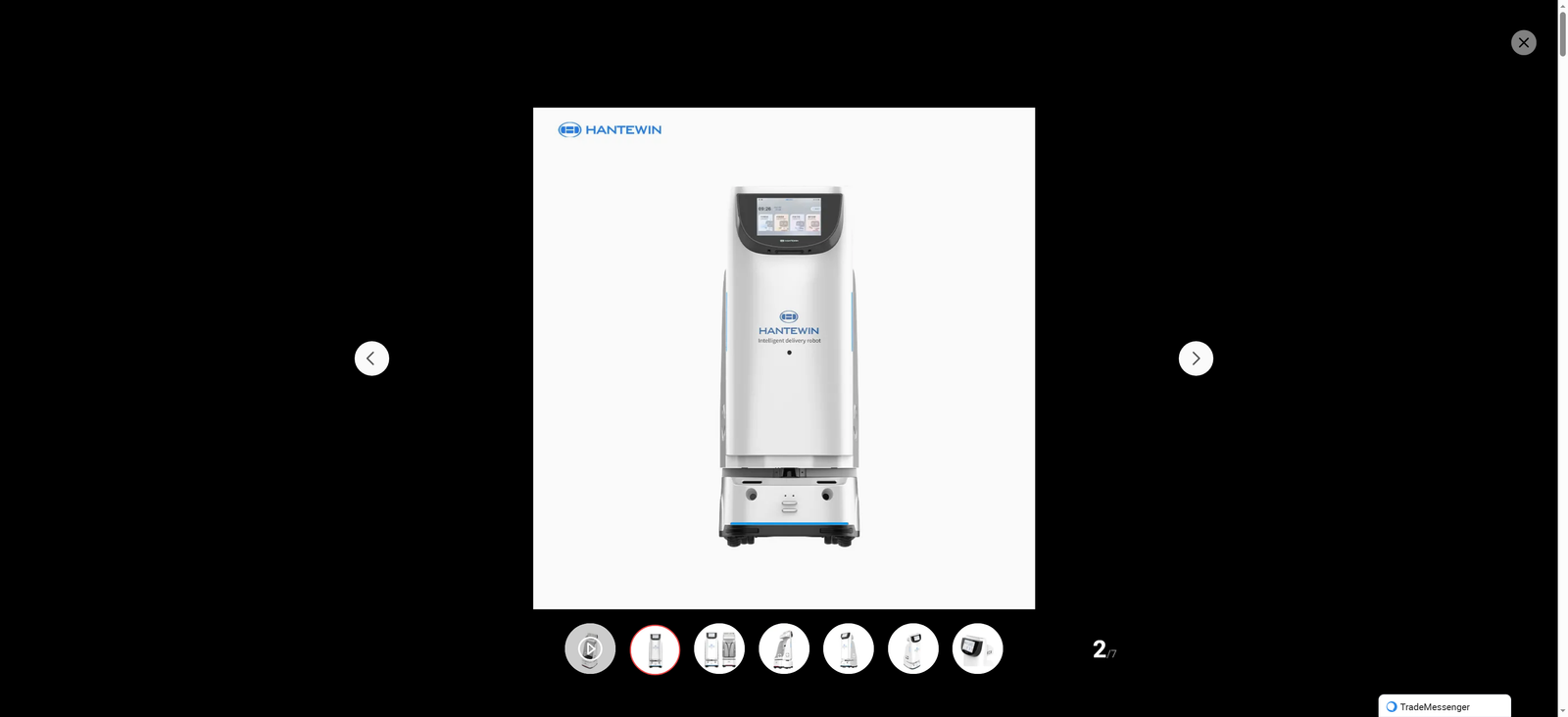
Airport hotels, as a "transit hub" for business travelers and tourists, have the characteristics of high passenger flow density, strong mobility of guests and clear demand scenarios. For a long time, the problem of guests carrying heavy luggage to go back and forth between the hotel lobby, parking lot and guest rooms has been a key factor affecting the service experience. The emergence of smart luggage delivery robots has effectively solved this problem. Equipped with advanced laser navigation, obstacle avoidance sensing and automatic control systems, these robots can accurately identify the environment, plan the optimal path, and safely transport luggage to the designated location according to the guest's needs. Whether it is a business traveler with a lot of work equipment or a family tourist with children and heavy luggage, they can enjoy the convenient service of "luggage following people", which greatly reduces the physical burden of guests and improves the satisfaction of hotel services.
On the basis of completing the core function of luggage delivery, integrating intelligent mobile advertising services into smart robots has become a new trend in the innovation of airport hotel business models. Different from traditional static advertising forms such as hotel lobby billboards and room leaflets, intelligent mobile advertising services based on smart robots have unique advantages in precision, interactivity and coverage. Firstly, relying on the hotel's guest information management system and robot positioning technology, the advertising service can realize precise delivery of content according to the guest's identity, travel purpose, stay time and other labels. For example, for business travelers, it can push information such as airport business lounges, high-speed rail VIP services and corporate conference packages; for tourist guests, it can recommend local scenic spots, characteristic catering and travel routes. This targeted advertising form not only improves the acceptance and conversion rate of advertising, but also provides guests with valuable information services, realizing a win-win situation between advertising communication and guest needs.
Secondly, the interactive nature of smart robots makes advertising services more vivid and interesting. The robots are equipped with touch screens, voice interaction modules and multimedia playback functions. Guests can actively click on the robot screen to view detailed advertising information, consult relevant services through voice interaction, and even participate in interactive activities such as lucky draws and questionnaires. This interactive experience breaks the one-way dissemination model of traditional advertising, enhances the sense of participation and experience of guests, and makes advertising no longer a "disturbing information" but a "valuable interactive content". For example, when a guest uses the robot to deliver luggage, he can click on the screen to understand the preferential activities of the hotel's catering department, and directly make a reservation through the robot, which simplifies the service process and enriches the guest's stay experience.
In addition, the mobility of smart luggage delivery robots enables advertising services to cover more scenarios and crowds. Unlike fixed advertising positions, robots can move freely in the hotel lobby, corridors, elevators, parking lots and other areas, and can even follow guests to move, realizing full-scenario advertising coverage. At the same time, for external brands, such as airport duty-free shops, aviation companies, local characteristic merchants, cooperating with airport hotels to place advertisements on smart robots can accurately reach the target group of high-quality passengers, expand brand influence, and bring new business opportunities for hotel cooperation. For the hotel itself, the advertising revenue brought by intelligent mobile advertising services can also make up for the investment cost of robot equipment, form a sustainable business operation model, and promote the continuous upgrading of hotel intelligent services.
Of course, the integration of intelligent mobile advertising services and smart luggage delivery robots in airport hotels also needs to pay attention to some key issues. On the one hand, it is necessary to balance the relationship between advertising delivery and service experience. Excessive or inappropriate advertising content may arouse the disgust of guests and affect the service quality. Therefore, hotels need to control the frequency and content of advertising, ensure that the advertising content is closely related to the needs of guests, and take "service-oriented" as the core to avoid over-commercialization. On the other hand, it is necessary to strengthen the protection of guest information security. The precise delivery of advertising relies on the collection and analysis of guest information. Hotels must abide by relevant data security laws and regulations, strengthen the management of guest information, and prevent information leakage to protect the privacy of guests.
Looking to the future, with the continuous progress of technology and the deepening of the concept of smart travel, the integration of intelligent mobile advertising services and airport hotel smart luggage delivery robots will show a more diversified and intelligent development trend. With the application of 5G, big data and artificial intelligence technology, robots will have stronger environmental perception, more accurate user portrait analysis and more intelligent interactive capabilities. They can not only complete luggage delivery and advertising services, but also integrate functions such as guest guidance, room service and emergency assistance to become a "all-round service partner" for guests. At the same time, the advertising form will also be more innovative, such as realizing AR immersive advertising experience through robot vision technology, or pushing personalized advertising content according to the guest's real-time needs, which will further enhance the value of the service ecosystem.
In conclusion, the combination of intelligent mobile advertising services and smart luggage delivery robots is a key practice in the digital transformation of airport hotels. It not only solves the practical pain points of guests, improves the service efficiency and quality of hotels, but also creates a new commercial value model, promoting the hotel industry to move towards a more intelligent, personalized and efficient development direction. In the future, as technology continues to innovate and market demand continues to upgrade, this integration model will surely play a more important role, bringing a better travel and accommodation experience for guests and injecting new impetus into the high-quality development of the tourism and hotel industry.