
Intelligent Delivery Robot Waiter: A New Engine for Efficiency Upgrade in Busy Hotel Restaurants and Fast Food Chains
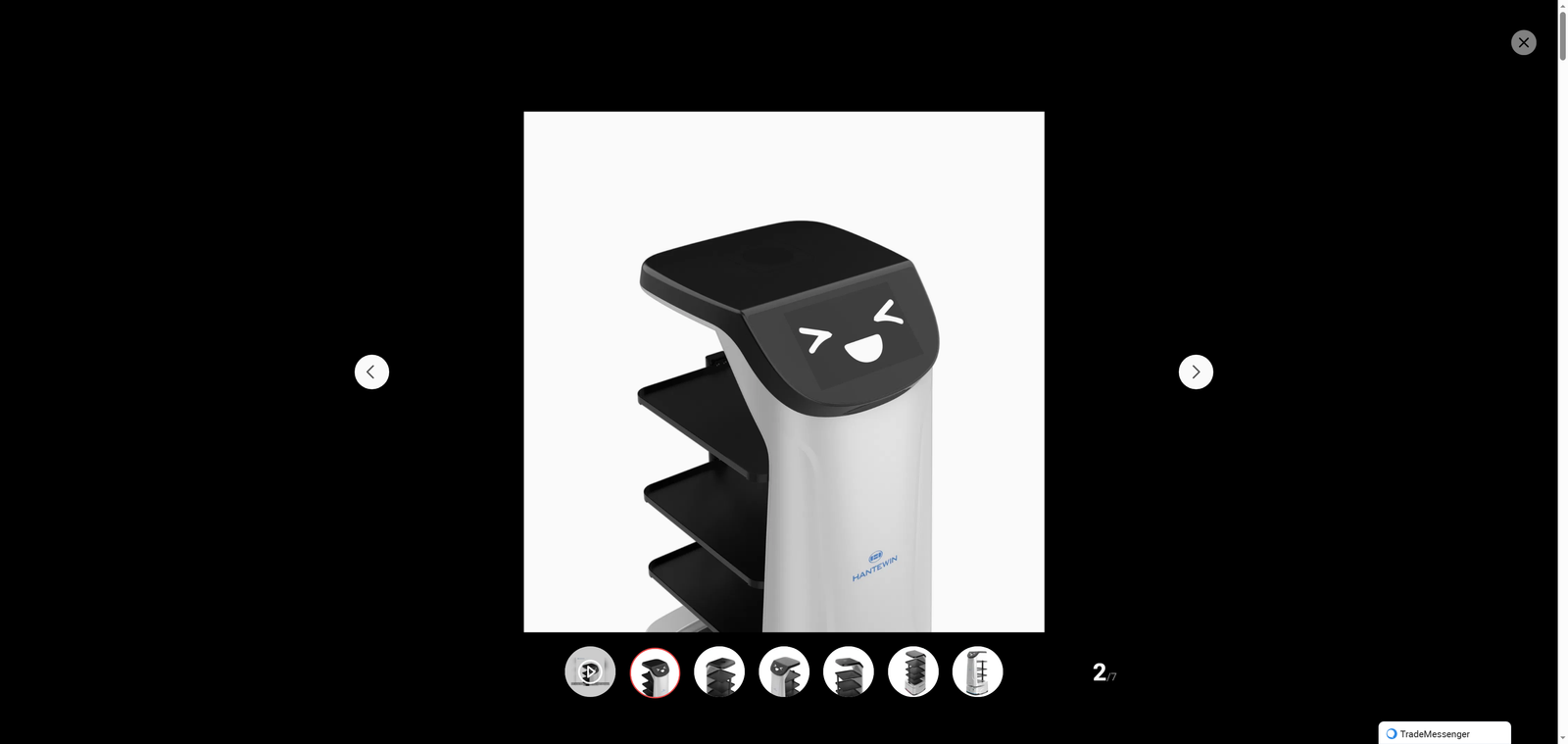
In the context of the rapid development of the catering industry and the increasing demand for efficient services, busy hotel restaurants and fast food chains are facing dual challenges: the growing passenger flow during peak hours and the shortage of human resources. Against this background, intelligent delivery robot waiters have emerged as a new force, breaking through the bottlenecks of traditional catering services with their unique advantages, and becoming a key tool for catering businesses to optimize operations, improve service quality and enhance core competitiveness.
For hotel restaurants, especially high-end hotels with large passenger flow and complex service scenarios, the appearance of intelligent delivery robot waiters has brought a revolutionary change to the service mode. Hotel restaurants often need to undertake banquets, conferences and daily dining services at the same time. During peak hours, the shortage of waiters often leads to delayed food delivery, confused order distribution and other problems, which affects the guest experience. Intelligent delivery robot waiters can perfectly solve these pain points. Equipped with advanced laser navigation, visual recognition and obstacle avoidance systems, they can accurately identify the layout of the restaurant, the location of tables and chairs, and even the movement of guests and staff, and plan the optimal delivery route in real time. Whether it is delivering dishes to the guest tables in the banquet hall, sending room service meals to the guest rooms on each floor, or transporting tableware and supplies between the kitchen and the dining area, the robots can complete the tasks efficiently and stably without being affected by the busy environment.
Moreover, intelligent delivery robot waiters can also cooperate with the hotel's management system to realize information interconnection. When the front desk receives a room service order, the order information can be directly sent to the robot system. The robot will automatically go to the kitchen to pick up the meals and send them to the designated room, and feedback the delivery status to the management system in real time. This not only reduces the communication cost between the front desk, kitchen and waiters, but also realizes the whole process traceability of the service, which is convenient for the hotel to manage and optimize the service process. At the same time, the robot's polite voice broadcast and standardized service actions can also become a unique "service card" of the hotel, leaving a deep impression on guests and enhancing the hotel's brand image.
For fast food chains that take "speed, efficiency and standardization" as their core competitiveness, intelligent delivery robot waiters are more like a "efficiency multiplier" that promotes the upgrading of the industry. Fast food chains usually have the characteristics of large passenger flow, short dining time and high frequency of order placement. During the peak hours of breakfast, lunch and dinner, the long queue waiting for meals and the delay in food delivery have always been the main factors affecting the customer experience. Intelligent delivery robot waiters can realize the seamless connection between the ordering system and the delivery link. After customers place orders through the self-service ordering machine or mobile phone, the kitchen receives the order information and starts preparing meals. When the meals are ready, the robot will automatically go to the pickup window to pick up the meals and send them to the customer's designated dining table according to the order number. The whole process is fully automated, without manual intervention, which can greatly shorten the customer's waiting time.
In addition, fast food chains often have a large number of stores, and the cost of human resources is an important part of the operation cost. The application of intelligent delivery robot waiters can effectively reduce the dependence on human resources. A robot can replace 2-3 waiters' delivery work, and it can work 24 hours a day without rest, without the need for wages, social security and other expenses. In the long run, it can significantly reduce the operation cost of fast food chains. At the same time, the robot's standardized operation can avoid the problems of wrong delivery, missing delivery and unhygienic food caused by human factors, ensuring the standardization and stability of service quality. For example, some well-known fast food brands have introduced intelligent delivery robots in their stores. After application, the average food delivery time has been reduced by more than 30%, the customer satisfaction has increased by nearly 20%, and the labor cost has been saved by about 15%.
Of course, the popularization and application of intelligent delivery robot waiters in hotel restaurants and fast food chains is not without challenges. Some people worry that the promotion of robots will lead to the unemployment of waiters. In fact, this is a one-sided understanding. The application of robots is not to replace human beings, but to liberate human resources from repetitive and tedious delivery work. Waiters can be transferred to more valuable service links, such as receiving guests, introducing dishes, providing personalized services, etc., to realize the optimization and upgrading of the service team. In addition, the initial investment cost of robots, later maintenance and repair, and the adaptation of the elderly and children to robots are also problems that need to be solved in the promotion process.
With the continuous progress of technology and the continuous maturity of the industry, these problems will be gradually solved. At present, more and more intelligent delivery robot waiters have more humanized designs. They can interact with guests through voice, answer simple questions, and even perform simple performances, which enhances the fun of dining. At the same time, the cost of robot production and maintenance is also decreasing with the expansion of the market scale. It is foreseeable that in the future, intelligent delivery robot waiters will become a standard configuration in hotel restaurants and fast food chains, and will be more closely integrated with the catering industry to create a more efficient, convenient, hygienic and humanized dining environment.
In conclusion, intelligent delivery robot waiters, with their efficient, stable, standardized and low-cost advantages, have brought new development opportunities to busy hotel restaurants and fast food chains. They are not only a technological innovation in the catering industry, but also a concrete practice of the transformation and upgrading of the catering service mode. In the era of intelligence, catering businesses that take the lead in introducing and applying intelligent delivery robot waiters will surely gain a competitive advantage in the fierce market competition and promote the high-quality development of the catering industry.