
Innovative Restaurant Delivery Robot for Enhanced Service Efficiency
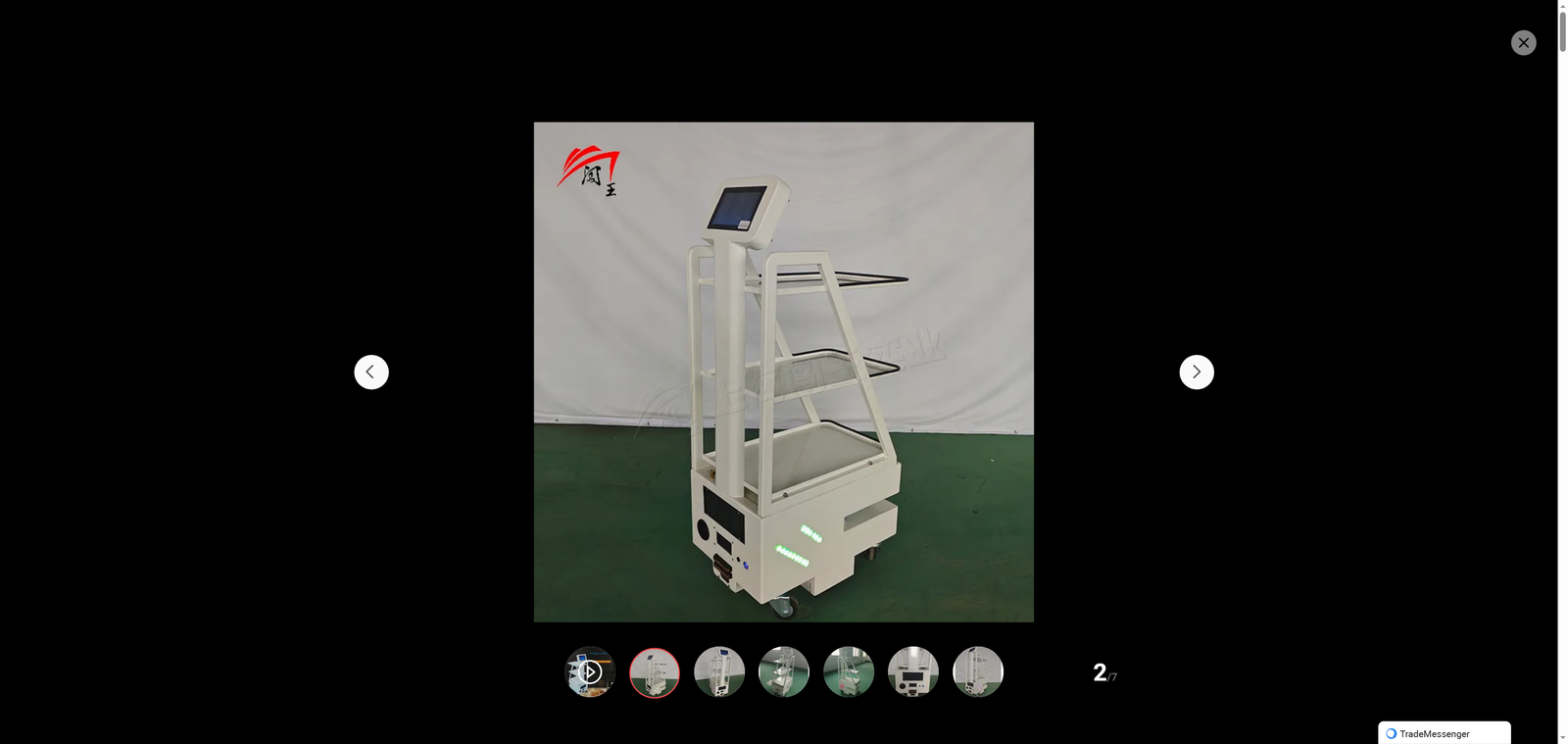
In the rapidly evolving catering industry, where customer experience and operational efficiency are the core pillars of competitiveness, innovative technologies have become a key driving force for transformation. Among them, restaurant delivery robots, as a landmark achievement of intelligent upgrading, are gradually breaking the limitations of traditional service models, injecting new vitality into catering operations and redefining the standards of efficient service. These intelligent robots are not just simple tools for delivering dishes; they are integrated solutions that combine artificial intelligence, Internet of Things, and automatic control technologies, which fundamentally solve the pain points of low efficiency, high labor costs, and uneven service quality in the catering industry.
The innovative design of restaurant delivery robots lies in their precise and flexible operational capabilities, which enable them to adapt to the complex and dynamic environment of restaurants. Unlike the rigid movement of early intelligent equipment, the latest generation of delivery robots is equipped with advanced multi-sensor fusion navigation systems, including laser radar, visual cameras, and ultrasonic sensors. These sensors work together to create a real-time 3D map of the restaurant, accurately identifying obstacles such as diners, tables, and waiters, and dynamically adjusting the delivery route. Even in crowded peak hours, the robots can move smoothly, avoid collisions with high precision, and complete the delivery task efficiently. For example, when a diner suddenly stands up or a waiter passes by, the robot can respond in 0.3 seconds, either stopping temporarily or changing direction slightly, ensuring the safety of both the food and the people around.
Another major innovation of delivery robots is their integration with the restaurant's intelligent management system, which realizes the whole-process informatization and automation of food delivery. From the moment the chef finishes the dish, the robot can receive the delivery order automatically through the background system, without the need for manual notification. The system will assign the optimal robot and route according to the table number, the location of the robot, and the priority of the dish, ensuring that hot dishes are delivered to the diners in the shortest time. At the same time, the robot can also upload real-time data to the management system, such as the number of deliveries completed, the average delivery time, and the remaining power, which helps restaurant managers grasp the operational status intuitively and make data-driven decisions. For instance, if the data shows that the delivery time of a certain area is too long, managers can adjust the layout of the restaurant or increase the number of robots in that area to optimize the service process.
The application of innovative delivery robots has significantly enhanced the service efficiency of restaurants and brought tangible benefits to both operators and diners. For restaurant operators, the most direct benefit is the reduction of labor costs. In traditional restaurants, waiters spend a lot of time on repetitive tasks such as delivering dishes, taking orders, and clearing tables, which not only requires a large number of labor inputs but also is prone to errors due to fatigue. With delivery robots undertaking most of the delivery work, waiters can be freed from tedious physical labor and focus on providing high-value services such as greeting diners, introducing dishes, and handling special needs, thereby improving the overall service quality. According to relevant data, restaurants that use delivery robots can reduce the labor cost by 30% - 50% and increase the table turnover rate by 20% - 30%, as the delivery time is shortened by an average of 40%.
For diners, the innovative delivery robots bring a more convenient and novel dining experience. In the past, diners often had to wait for a long time for their dishes during peak hours, which easily affected their dining mood. With delivery robots, the average delivery time of dishes can be shortened to 2 - 3 minutes, and diners can enjoy hot and delicious food in a timely manner. In addition, the intelligent interaction function of the robots also adds fun to the dining experience. Many delivery robots are equipped with voice interaction modules, which can greet diners proactively, answer simple questions about dishes, and even perform small interactive programs such as singing or telling jokes. This not only enhances the sense of experience for diners but also makes the restaurant more attractive, especially for young diners who pursue new things.
Looking to the future, restaurant delivery robots will continue to evolve in the direction of more intelligence, personalization, and integration, bringing more possibilities to the catering industry. With the development of artificial intelligence technology, future delivery robots will have stronger learning and adaptive capabilities. They can remember the dining habits of regular diners, take the initiative to recommend favorite dishes, and even adjust the delivery speed according to the type of dishes (such as slower delivery for soup dishes to avoid spilling). At the same time, the integration of robots with other intelligent devices in the restaurant, such as intelligent ordering machines, automatic dish-washing machines, and smart refrigerators, will form a fully intelligent catering service chain, realizing the whole-process automation from ordering to serving and clearing tables.
However, the popularization of delivery robots also faces some challenges, such as the high initial investment cost, the need for regular maintenance, and the acceptance of individual diners. But with the continuous advancement of technology and the gradual reduction of production costs, these problems will be gradually solved. More and more restaurants have realized the value of intelligent transformation, and delivery robots have become an indispensable part of modern catering operations.
In conclusion, innovative restaurant delivery robots, with their advanced technical design and efficient service capabilities, have become a powerful tool for catering enterprises to improve service efficiency, reduce costs, and enhance core competitiveness. They not only change the traditional service mode of the catering industry but also promote the intelligent and high-quality development of the entire industry. As technology continues to innovate, delivery robots will play a more important role in the future catering industry, creating a better dining experience for diners and bringing more development opportunities for catering operators.