
Commercial Intelligent Food Delivery Service Robot: Redefining the Future of Restaurant Service
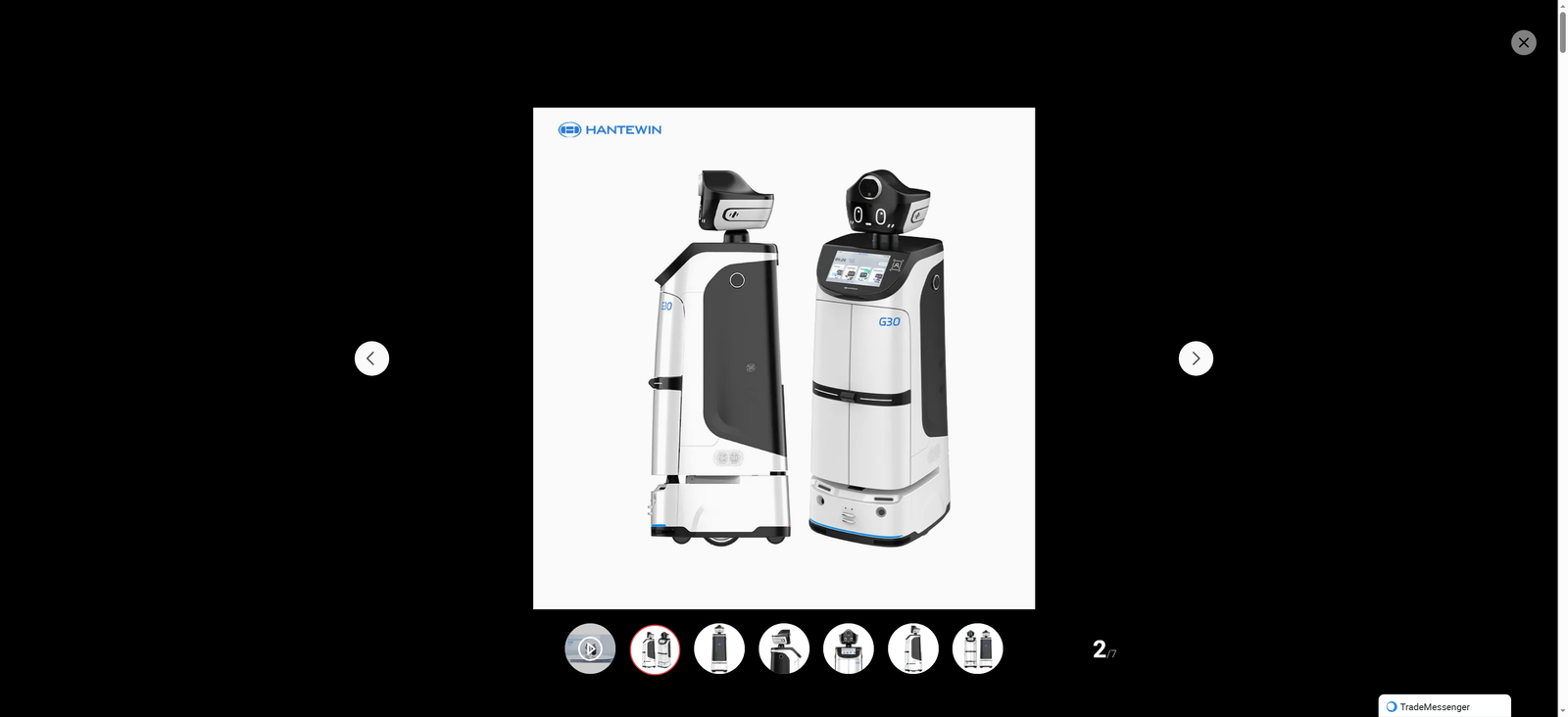
In the fast-paced world of modern catering, efficiency, consistency, and customer experience are the core pillars of success. As labor costs rise and consumer demands for faster, more personalized service grow, the commercial intelligent food delivery service robot—also known as the automatic restaurant waiter robot—has emerged as a transformative force, reshaping how restaurants operate and elevating the dining experience for guests worldwide. These advanced autonomous machines are no longer just a novelty; they have become indispensable assets for commercial catering establishments, blending cutting-edge technology with practical functionality to solve industry pain points and unlock new possibilities.
At its core, a commercial intelligent food delivery service robot is a fully autonomous device designed to handle the repetitive, labor-intensive tasks that once consumed the time and energy of human waitstaff. Unlike traditional manual service, these robots integrate multiple advanced technologies, including artificial intelligence (AI), machine learning, computer vision, infrared sensing, and wireless射频识别 (RFID), enabling them to navigate complex restaurant environments, interact with customers, and complete delivery tasks with high efficiency and accuracy. From greeting guests at the door to delivering hot, fresh dishes to their tables, from collecting used tableware to providing basic menu information, these automatic restaurant waiter robots serve as versatile assistants that work tirelessly 24/7, without fatigue, mistakes, or the need for breaks.
The functional advantages of commercial intelligent food delivery service robots are evident in every aspect of their operation, bringing tangible benefits to both restaurant operators and diners. For restaurant owners, the most significant gain is the reduction of labor costs—a persistent challenge in the catering industry. A single delivery robot can handle the workload of 2 to 3 human waitstaff, delivering 400 to 600 dishes per day over nearly 12 hours of continuous work, while reducing monthly labor expenses by thousands of yuan or more. Unlike human employees, robots do not require salaries, social security, or training costs, and they eliminate the risks of staff turnover and human error, such as wrong orders or delayed deliveries. Additionally, these robots act as "traffic magnets," attracting curious customers with their novel appearance and interactive features, thereby boosting restaurant foot traffic and revenue.
For diners, the introduction of automatic restaurant waiter robots enhances the dining experience by reducing waiting times and adding a fun, futuristic element. When a customer places an order, the robot receives the instruction instantly through a seamless connection with the restaurant’s order system, then navigates to the kitchen to pick up the dishes. Equipped with dynamic obstacle avoidance technology, the robot can safely maneuver around tables, chairs, and moving customers, detecting obstacles as low as 15 centimeters to avoid collisions. Using pre-set routes or autonomous mapping, it delivers the dishes to the correct table accurately, prompting customers with a friendly voice message such as "Your food is here" via its optimized, human-like voice system. Some advanced models even feature face recognition capabilities, allowing them to greet registered customers by name and provide personalized service, further elevating the sense of hospitality.
The application scenarios of commercial intelligent food delivery service robots are increasingly diverse, adapting to the needs of different types of catering establishments. They are widely used in large chain restaurants, casual diners, hot pot restaurants, hotels, and even large-scale venues such as theme parks and university canteens, where high traffic and repetitive delivery tasks are common. For example, in busy chain restaurants like Xijia De, robots are deployed at the door to attract customers through singing, dancing, and menu promotions, completing an average of 220 interactions per day and converting passersby into diners. In large theme park restaurants with thousands of daily visitors, robots efficiently collect 2000 to 3000 used tableware per day, improving table turnover rates and maintaining a clean dining environment. Beyond restaurants, these robots are also expanding into gyms, shopping malls, and even government service scenarios, demonstrating their versatility as intelligent delivery solutions.
While commercial intelligent food delivery service robots have made remarkable progress, their development has not been without challenges. In the early stages of deployment, some models faced criticism for their rigid appearance, poor voice recognition in noisy environments, and limited flexibility—such as being restricted to pre-set tracks or unable to handle soup or other liquid dishes. However, with continuous technological innovation, these shortcomings are being gradually addressed. R&D teams are optimizing robot designs to be more compact and aesthetically pleasing, adjusting sensor positions to improve sensitivity, and upgrading voice systems to recognize multiple languages and dialects. Cost reduction is also a key focus: through mass production, the cost of a single robot is expected to drop significantly, making it more accessible to small and medium-sized restaurants. Additionally, customized solutions are being offered to adapt to different restaurant layouts and service needs, further expanding their applicability.
Looking ahead, the future of commercial intelligent food delivery service robots is bright, driven by ongoing technological advancements and the growing demand for intelligent catering solutions. As AI and machine learning technologies continue to evolve, these robots will become more intelligent and flexible—able to predict customer needs, recommend dishes based on dining preferences, and even engage in more natural, human-like conversations. They will also integrate more closely with other intelligent systems in restaurants, such as smart ordering kiosks, inventory management systems, and kitchen automation equipment, creating a fully intelligent catering ecosystem. With the global push for digital transformation and the rising cost of labor, automatic restaurant waiter robots will no longer be an optional addition but a necessary investment for restaurants seeking to remain competitive in the modern market.
In conclusion, the commercial intelligent food delivery service robot and automatic restaurant waiter robot represent a major innovation in the catering industry, bridging the gap between technology and service. They not only solve the industry’s pain points of high labor costs and inefficient service but also bring a new, exciting dining experience to customers. From their humble beginnings as experimental prototypes to their current role as indispensable commercial tools, these robots have proven their value and potential. As technology continues to advance, they will undoubtedly play an even more important role in shaping the future of dining, making intelligent, efficient, and personalized service accessible to every restaurant and every diner around the world.