
The Era of Intelligent Home Cleaning: Exploring the Power of Automatic Sweeping and Mopping Robots
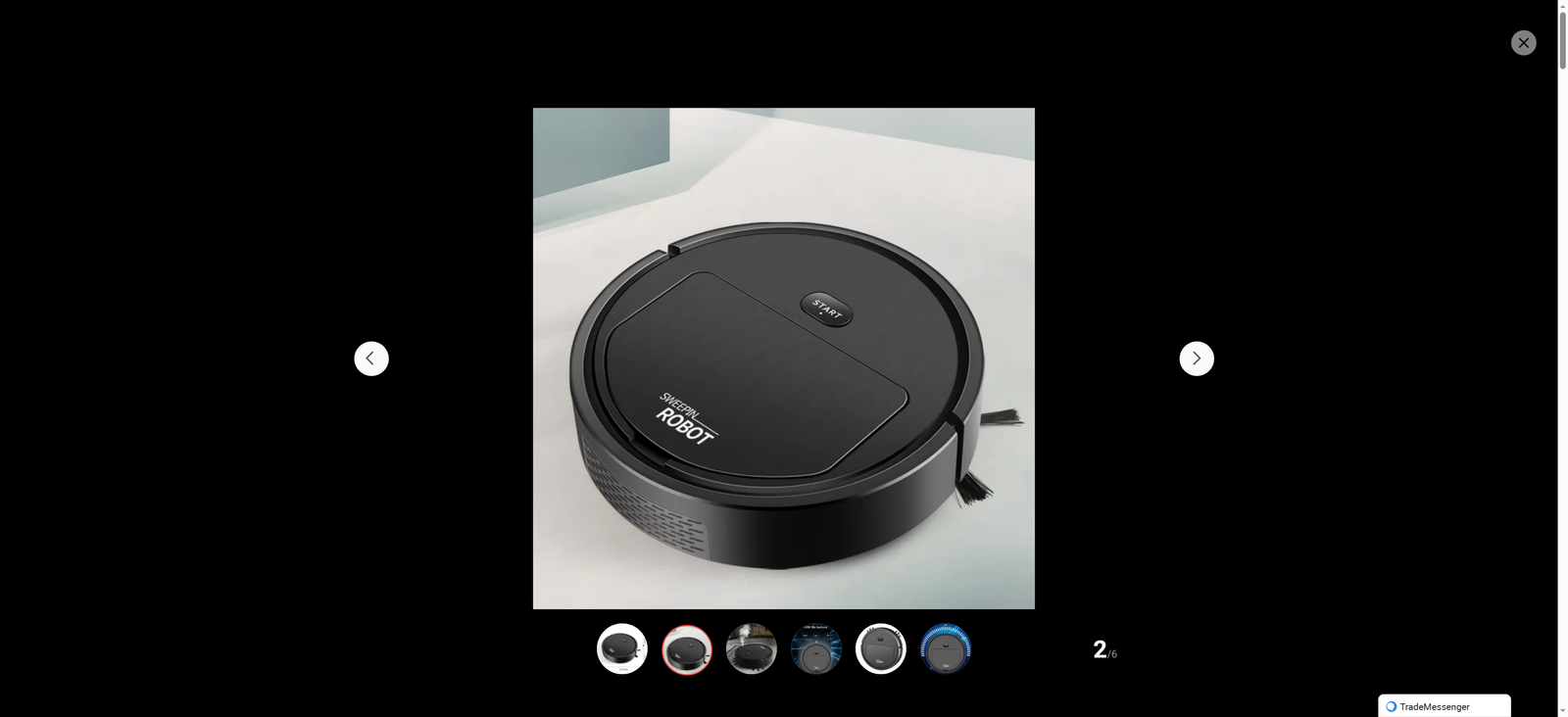
In the fast-paced modern life, the pursuit of a clean and comfortable home environment has not diminished, but the time and energy people can invest in housework are increasingly limited. Against this backdrop, the house automatic sweeping intelligent vacuum cleaner and floor mop clean robot (hereinafter referred to as "intelligent sweep-mop robot") has emerged as a game-changer in home cleaning. It integrates advanced technologies such as artificial intelligence, laser navigation, and automatic maintenance, transforming the tedious and repetitive cleaning work into a simple and efficient intelligent experience, and becoming an indispensable helper in millions of families.
The core value of intelligent sweep-mop robots lies in their ability to "liberate hands thoroughly", which is supported by a full set of automatic maintenance systems. Unlike traditional cleaning tools that require manual cleaning of dust boxes and mops, high-end models are equipped with multi-functional intelligent bases that integrate multiple automatic functions. These bases can automatically clean mops through high-speed rotating scrubbing, using strong water flow to flush away stains and甩干 excess water, achieving a cleanliness level even higher than manual washing. After cleaning, the base initiates hot air drying, which can dry the mop in as fast as 2 hours, effectively preventing mold and odors caused by dampness and keeping the mop clean and dry at all times. In terms of dust collection, the dual-air duct automatic dust collection technology, paired with a large-capacity dust bag, can empty the dust box in 10 seconds and support up to 30 days of maintenance-free use, allowing users to enjoy the convenience of "no hand contact with dust" for a whole month.
Intelligent navigation and obstacle avoidance technologies are the "brain" and "eyes" of sweep-mop robots, determining their cleaning efficiency and user experience. The mainstream laser navigation technology uses LDS laser radar for 360° scanning of the indoor environment, quickly constructing a precise 3D house map with the help of SLAM algorithms, unaffected by light conditions. This enables the robot to plan rational cleaning paths, avoid repeated cleaning and missed areas, and efficiently cover the entire house. On the basis of navigation, the upgraded AI obstacle avoidance system has achieved a qualitative leap. Equipped with super-sensing AI cameras and 3D multi-dimensional perception sensors, it can achieve millimeter-level perception accuracy, identifying common household obstacles such as slippers, wires, and pet toys, and flexibly planning avoidance routes. Some high-end models even have scene recognition capabilities, distinguishing between living rooms, bedrooms, kitchens, and bathrooms to formulate targeted cleaning strategies, making the cleaning process more intelligent and worry-free.
The cleaning performance of intelligent sweep-mop robots has been continuously upgraded to meet diverse household needs. In terms of suction, flagship models can reach a maximum suction of 4000Pa or more, easily absorbing dust in gaps, food crumbs, and even deep-seated dirt in carpets. For families with pets, the anti-tangle system is a highlight - the V-shaped spiral roller brush with anti-static bristles, combined with dual comb tooth arrays, can effectively collect hair and prevent it from wrapping around the brush, reducing the frequency of manual maintenance. In mopping, the intelligent water supply system ensures constant humidity mopping by linking the base and the main unit to intelligently allocate water volume, avoiding water accumulation on the floor. When paired with a dedicated cleaning agent, it can achieve a sterilization rate of over 99.9%, creating a safe and hygienic environment for families with children and the elderly.
The adaptability to complex home environments and humanized operation design further enhance the practicality of intelligent sweep-mop robots. The ultra-thin body design, some as thin as 7.98cm, allows the robot to easily drill into low spaces such as under sofas and beds, solving the problem of difficult cleaning in dead corners. The ultrasonic carpet recognition function can automatically lift the mop when detecting a carpet, switch to high-power suction to clean dust without wetting the carpet, and lift the mop again when returning to clean to avoid secondary pollution. In terms of control, users can not only remotely control, schedule cleaning, and set no-go zones through mobile apps but also realize voice control through smart speakers, and even start cleaning with a light touch of the bumper with the foot, catering to the usage habits of different groups of people. The integration with the smart home system also enables linkage with devices such as smart door locks and air purifiers, starting cleaning when going out and turning on air purification after cleaning, building a fully intelligent home ecosystem.
Looking ahead, the development of intelligent sweep-mop robots is moving towards a more refined, integrated, and intelligent direction. With the advancement of AI algorithms, future robots will have stronger learning capabilities, able to remember user cleaning preferences and adjust cleaning plans in real-time according to changes in the home environment. The integration of functions will be more in-depth, and the automatic water refilling and drainage system will further reduce manual intervention, moving towards a truly "zero maintenance" experience. As a representative of smart home products, the intelligent sweep-mop robot is not only a tool to improve cleaning efficiency but also a symbol of a quality life. It frees people from trivial housework, allowing them to have more time to accompany their families and pursue their hobbies, which is the true meaning of technology serving life.