
In the evolving landscape of hospitality and catering industries, the pursuit of efficient, accurate, and cost-effective service has become a core competitive edge. Amid this trend, Bearbot delivery robots have emerged as game-changers, leveraging advanced technologies to realize automatic charging, intelligent obstacle avoidance, and precise delivery. These capabilities not only address the pain points of traditional manual delivery but also inject new vitality into the operational models of hotels and restaurants.
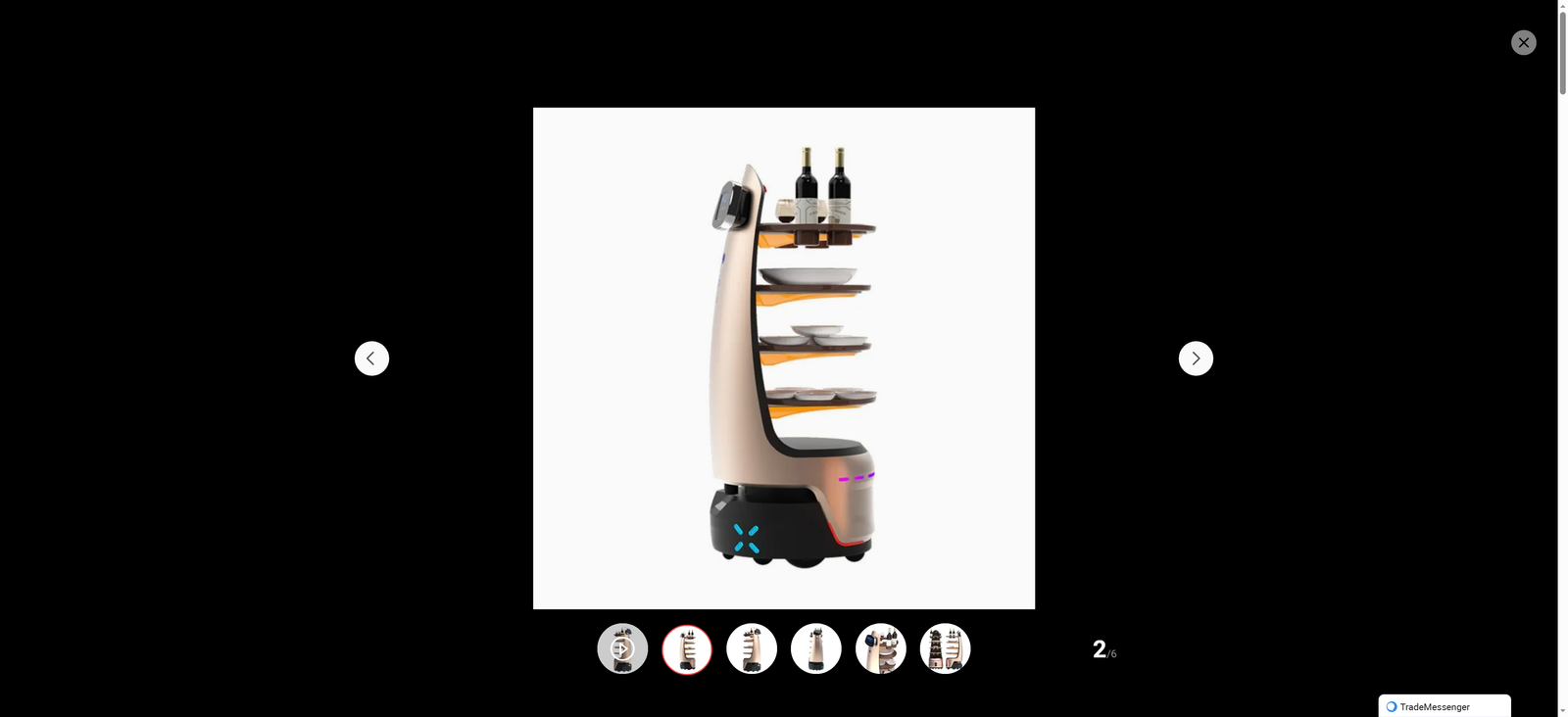
Automatic charging is one of the key highlights that ensures the continuous and stable operation of Bearbot delivery robots. In busy hotels and restaurants, manual delivery staff often face physical fatigue and need regular rest, which can lead to delays in service. In contrast, Bearbot robots are equipped with an intelligent power management system. When their battery level drops to a preset threshold, they can automatically navigate to the designated charging station without human intervention. The charging process is fast and efficient, and once fully charged, the robots immediately return to their work area to resume delivery tasks. This seamless automatic charging mechanism eliminates the need for manual monitoring and charging arrangements, greatly improving the utilization rate of the robots and ensuring that the delivery service is not interrupted even during peak business hours. For hotels, this means that guests can receive their room service (such as meals, toiletries, and packages) in a timely manner at any time of the day; for restaurants, it ensures that dishes are delivered to diners' tables hot and fresh, avoiding long waits caused by insufficient delivery staff.
Intelligent obstacle avoidance is another critical technology that enables Bearbot delivery robots to adapt to the complex environments of hotels and restaurants. Unlike fixed industrial scenarios, hotels and restaurants are dynamic spaces with frequent pedestrian flow, including guests, staff, and other moving objects such as cleaning carts and dining trolleys. To ensure safe and smooth delivery, Bearbot robots are equipped with multiple sets of advanced sensors, including 3D cameras, lidar, and ultrasonic sensors. These sensors work together to conduct real-time 360-degree environmental scanning, accurately identifying obstacles of different sizes, shapes, and moving speeds. Based on the collected data, the robot's built-in intelligent algorithm can quickly plan the optimal avoidance path—whether it is slowing down to let pedestrians pass, bypassing a stationary cleaning cart, or adjusting the route in real time when encountering a sudden moving object. This not only prevents collisions and ensures the safety of people and property but also avoids delivery delays caused by obstacles. For example, in a crowded restaurant lobby during peak hours, Bearbot can flexibly weave through the crowd, while in a hotel corridor with sudden passing guests, it can promptly stop and give way, ensuring that the delivery task is completed smoothly without disrupting the normal order of the venue.
Accurate delivery, supported by automatic charging and obstacle avoidance technologies, is the ultimate goal of Bearbot delivery robots, bringing a high-quality service experience to both businesses and customers. In hotels, each guest room has a unique number, and Bearbot can accurately identify the target room through the integration of the hotel's management system. After receiving the delivery task, the robot navigates to the designated floor and room with high precision, sends a notification to the guest (via a mobile app or in-room intercom), and opens the storage compartment only after the guest confirms receipt, ensuring the privacy and safety of the delivered items. In restaurants, the robot can be connected to the restaurant's ordering system, accurately matching each order with the corresponding table number. It can also distinguish between different types of dishes (such as hot dishes, cold dishes, and drinks) through separate storage compartments, ensuring that the dishes are delivered to the correct table without confusion. This high level of delivery accuracy reduces the error rate of manual delivery—such as delivering items to the wrong room or table—which is a common problem in traditional manual services. For businesses, it reduces customer complaints caused by delivery errors and improves customer satisfaction; for customers, it enhances the convenience and comfort of the service experience, making their stay or dining process more pleasant.
The application of Bearbot delivery robots also brings significant operational benefits to hotels and restaurants. In terms of cost control, it reduces the reliance on manual delivery staff, lowering labor costs such as wages, social security, and training expenses. In terms of service efficiency, the robots can work continuously without rest, handling multiple delivery tasks simultaneously, which greatly improves the overall delivery efficiency and allows human staff to focus on more value-added services, such as guest reception, consulting, and personalized service. In addition, the novel robot delivery service can also become a unique selling point for hotels and restaurants, attracting curious customers and enhancing the brand image of the business.
As the hospitality and catering industries continue to move towards intelligence and automation, Bearbot delivery robots, with their core advantages of automatic charging, intelligent obstacle avoidance, and accurate delivery, are gradually becoming an indispensable part of modern hotel and restaurant operations. They not only optimize the operational efficiency of businesses but also elevate the service experience of customers, paving the way for a more intelligent and convenient future in the service industry. With the continuous advancement of technology, it is believed that Bearbot delivery robots will be equipped with more advanced functions, bringing even greater changes to the hotel and catering industries.