
In the wave of global digital transformation, the service industry is undergoing a profound revolution driven by intelligence. Among them, hotel waiter robots and intelligent reception robots have emerged as key players, breaking the traditional boundaries of service and advertising. They are not only redefining the service model of the hotel industry but also injecting new vitality into the advertising and reception work of exhibition halls. These intelligent devices, with their efficient, precise, and humanized characteristics, are becoming an indispensable part of modern service scenarios.
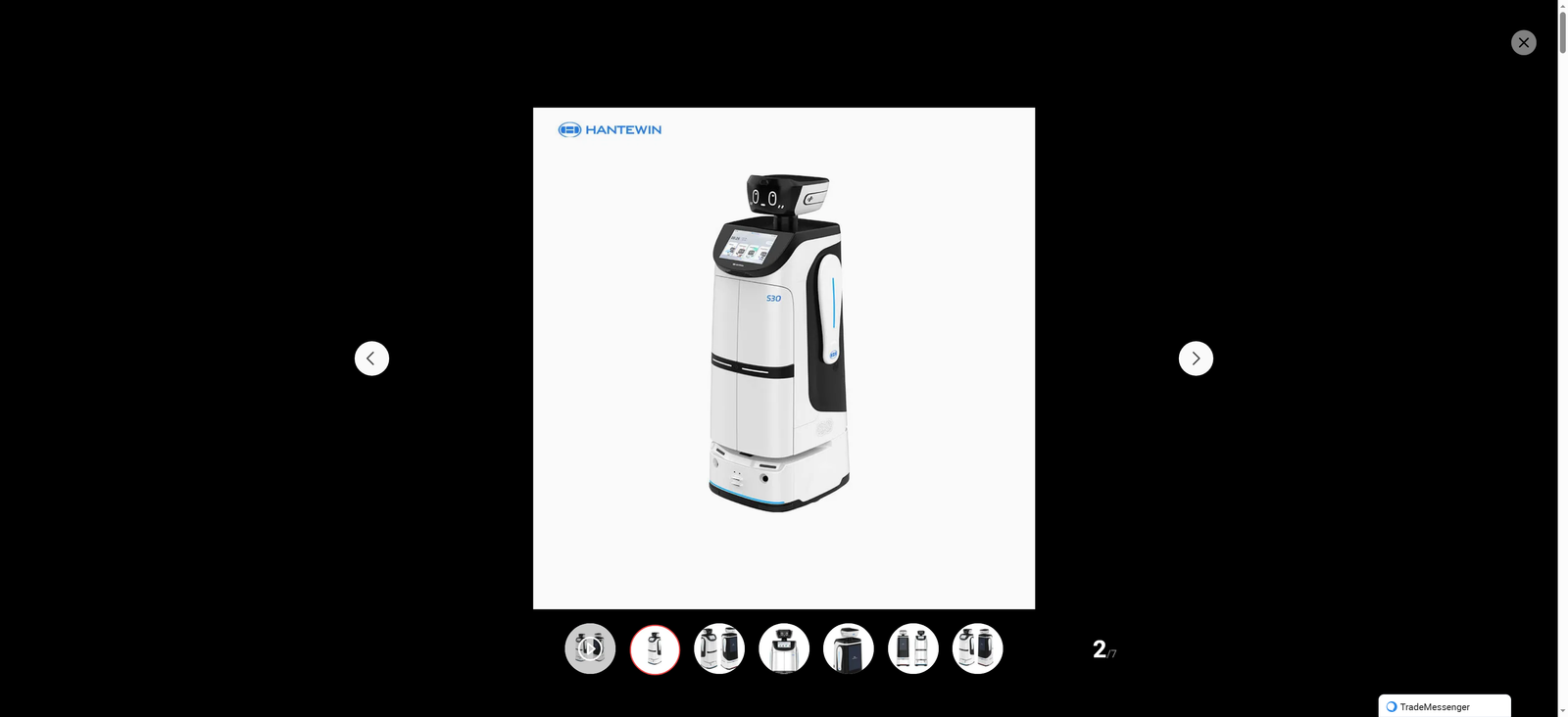
For the hotel industry, the application of waiter robots has brought a qualitative leap to daily service operations. In the past, hotel front desks, catering services, and room deliveries relied heavily on manual labor, which was often plagued by problems such as long waiting times during peak hours and inevitable human errors. Today, hotel waiter robots have perfectly solved these pain points. When guests arrive at the hotel, the supporting intelligent reception robot can take the initiative to greet them, guide them to the check-in area, and even assist in completing the check-in process through face recognition and intelligent voice interaction, greatly reducing the waiting time for guests. After checking in, the waiter robot can accurately deliver luggage, room supplies, and catering to the designated room according to the system instructions, without being restricted by time or physical strength. This not only improves the efficiency of hotel services but also reduces the labor cost of the hotel, allowing staff to focus more on personalized service links that require human care, such as solving complex guest needs.
The value of intelligent reception robots is not limited to hotel daily services; they also shine in the field of exhibition hall reception and advertising. Exhibition halls, as important platforms for information exchange and product display, have the characteristics of large passenger flow, strong mobility, and diverse visitor needs. Traditional exhibition reception and advertising methods, such as manual explanation and static billboards, are often difficult to achieve comprehensive coverage and precise communication. Intelligent reception robots, equipped with advanced navigation systems and rich multimedia functions, can freely shuttle in the exhibition hall. They can take the initiative to interact with visitors, answer questions about the exhibition theme, booth distribution, and product information in real time through voice interaction, and even guide visitors to the target booth according to their needs. At the same time, these robots can also play exhibition promotional videos, display promotional pictures, and push relevant advertising information to visitors' mobile devices through wireless transmission. Compared with traditional advertising methods, robot advertising is more flexible and interactive, which can attract visitors' attention more effectively, improve the communication effect of advertising, and leave a deeper impression on visitors.
The continuous development of hotel waiter robots and intelligent reception robots is inseparable from the support of cutting-edge technologies such as artificial intelligence, Internet of Things, and big data. With the continuous advancement of technology, these robots are also evolving in the direction of more intelligence and humanization. For example, the latest generation of robots has stronger voice recognition capabilities, which can accurately understand the needs of visitors with different accents and languages; through big data analysis, they can also record visitor preferences and behavior habits, and provide personalized service and advertising push. In addition, the safety performance of the robots is also constantly improving. Equipped with obstacle avoidance sensors and emergency response systems, they can ensure the safety of themselves and visitors during operation.
Of course, hotel waiter robots and intelligent reception robots are not meant to replace human beings, but to complement and enhance human services. In the service scenarios that require emotional communication and humanistic care, the irreplaceable role of human beings is still obvious. The combination of intelligent robots and human services can maximize the advantages of both, creating a more efficient, convenient, and warm service experience for guests and visitors.
Looking to the future, with the continuous maturity of technology and the continuous expansion of application scenarios, hotel waiter robots and intelligent reception robots will be more widely used in the hotel and exhibition industries. They will not only become a standard configuration in more hotels and exhibition halls but also continue to innovate in functions and forms, bringing more surprises to the service industry. The era of intelligent service has arrived, and these intelligent robots are becoming an important driving force for the high-quality development of the service industry, contributing to the construction of a more intelligent and convenient life.