
Hotel Robots with Automatic Elevator Access: Redefining Intelligent Food Delivery and Full Automation in Hospitality
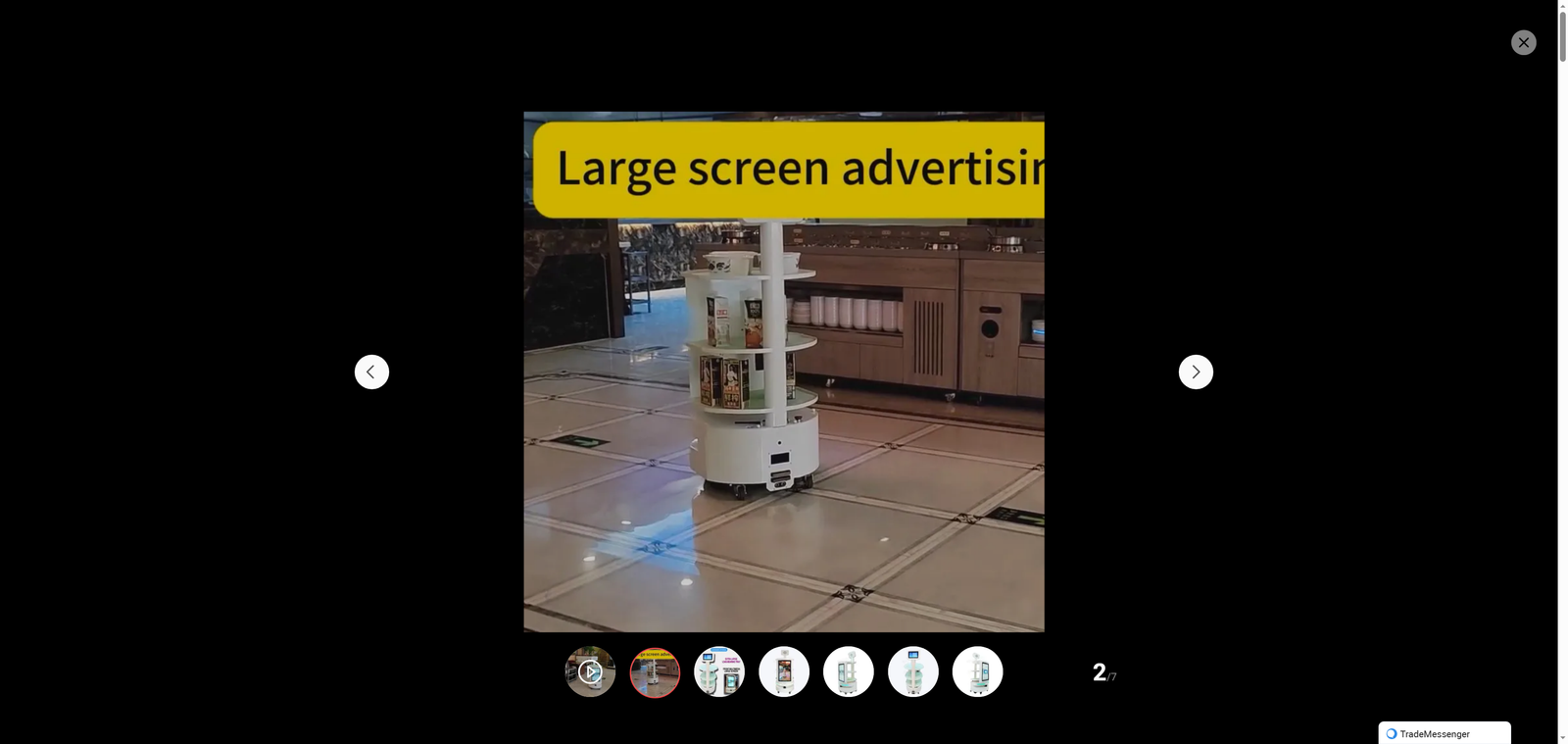
In the era of digital transformation, the hospitality industry is undergoing a profound revolution driven by intelligent technology. Among the various innovative solutions, hotel robots equipped with automatic elevator access have emerged as a game-changer, particularly in the field of room food item delivery. These intelligent machines, integrating fully automated operations, are not only reshaping the service model of hotels but also elevating the guest experience to a new level. From the moment a guest places an order to the precise delivery at the room door, every link is operated by the robot without manual intervention, interpreting the true meaning of "intelligent hospitality".
The core advantage of hotel robots with automatic elevator access lies in their seamless connection with the hotel's elevator system, which breaks the spatial barrier of floor-by-floor service. In traditional hotel services, food delivery relies heavily on human staff who need to wait for elevators, navigate through corridors, and confirm guest information repeatedly, which is not only time-consuming but also prone to errors due to human factors—such as delayed delivery caused by busy peak hours or wrong room numbers. However, with automatic elevator access, the robot can achieve real-time communication with the hotel's intelligent control system. Once the order is received, it will automatically plan the optimal route, call the elevator accurately, and complete the floor switching smoothly. The entire process is efficient and orderly, avoiding the tedious links of manual operation and greatly improving the delivery efficiency.
Intelligent room food item delivery is the key application scenario of this type of robot, and its full automation characteristics are reflected in every detail of the service process. When a guest places a food order through the hotel's mobile app or in-room control panel, the order information is immediately transmitted to the robot's control center. The robot will first go to the restaurant or pantry to receive the food—equipped with a smart storage compartment with constant temperature and anti-spill functions, it can ensure that hot food remains warm and cold food stays fresh during transportation. After receiving the food, the robot will start its delivery mission according to the pre-planned route. It can automatically avoid obstacles such as pedestrians, luggage carts, and doorways through the built-in laser radar and visual recognition system, and accurately identify the elevator door, call the elevator, and enter the elevator cabin. During the elevator ride, the robot can also maintain a stable posture to prevent food from spilling. When arriving at the target floor, the robot will exit the elevator, navigate to the guest's room door, and send a reminder to the guest through a voice broadcast or app notification. After the guest takes the food, the robot will automatically close the storage compartment and return to the designated location to wait for the next task. The whole process from order receiving to return is fully automated, without any manual participation, which not only reduces the labor burden of the hotel but also ensures the standardization and consistency of the service.
The popularization of hotel robots with automatic elevator access also brings multiple value increments to the hotel industry. For hotels, on the one hand, it can significantly reduce labor costs. In the traditional model, hotels need to arrange a large number of service staff to be responsible for food delivery, room service, and other work, especially during peak travel seasons, the shortage of labor often becomes a bottleneck restricting service quality. The application of delivery robots can replace part of the manual work, allowing human staff to focus on more high-value services—such as guest reception, personalized consultation, and emergency handling, thereby optimizing the labor allocation and improving the overall service level. On the other hand, the intelligent robot has the characteristics of 24-hour uninterrupted work, which can meet the guest's food delivery needs at any time, whether it is late at night or early in the morning, ensuring the timeliness of the service and enhancing the guest's sense of satisfaction and trust.
For guests, the experience brought by intelligent delivery robots is more intimate and convenient. First of all, the robot's delivery service is more efficient and punctual. Compared with manual delivery, which is easily affected by various factors, the robot can strictly follow the preset route and time schedule to complete the delivery, avoiding the problem of long waiting time for guests. Secondly, the whole delivery process is contactless, which is in line with the health and safety needs of guests in the post-epidemic era. There is no direct contact between the robot and the guest during the delivery process, reducing the risk of cross-infection and making guests feel more at ease. In addition, the intelligent interaction function of the robot also adds fun to the guest's stay. When encountering guests in the corridor, the robot can take the initiative to greet them through voice, and even answer simple questions about the hotel, bringing a more vivid and interesting service experience to the guests.
Of course, the development of hotel robots with automatic elevator access is also based on the continuous progress of related technologies. The automatic elevator access function relies on the seamless docking between the robot and the hotel's intelligent building system, which requires the robot to have strong communication and compatibility capabilities. At the same time, the robot's autonomous navigation, obstacle avoidance, and food storage technologies are also constantly iterated and updated—from the initial simple path planning to the current multi-sensor fusion navigation, from the ordinary storage compartment to the constant temperature and anti-spill compartment, every technological breakthrough has promoted the improvement of the robot's service quality. With the development of 5G, artificial intelligence, and the Internet of Things, future hotel robots will have more powerful functions, such as recognizing guest preferences to provide personalized food recommendations, or cooperating with other intelligent devices in the room to complete more complex service tasks.
In the long run, hotel robots with automatic elevator access are not only a tool to improve service efficiency but also a symbol of the transformation and upgrading of the hotel industry towards intelligence and refinement. They are changing the traditional service mode with their fully automated operation and intelligent service capabilities, bringing a win-win situation for hotels and guests. As technology continues to evolve, we have reason to believe that these intelligent robots will play a more important role in the future hospitality industry, creating a more convenient, efficient, and personalized hotel experience for people.