
Hotel Food Service Robots: Automatically Elevate Guest Experience to New Heights
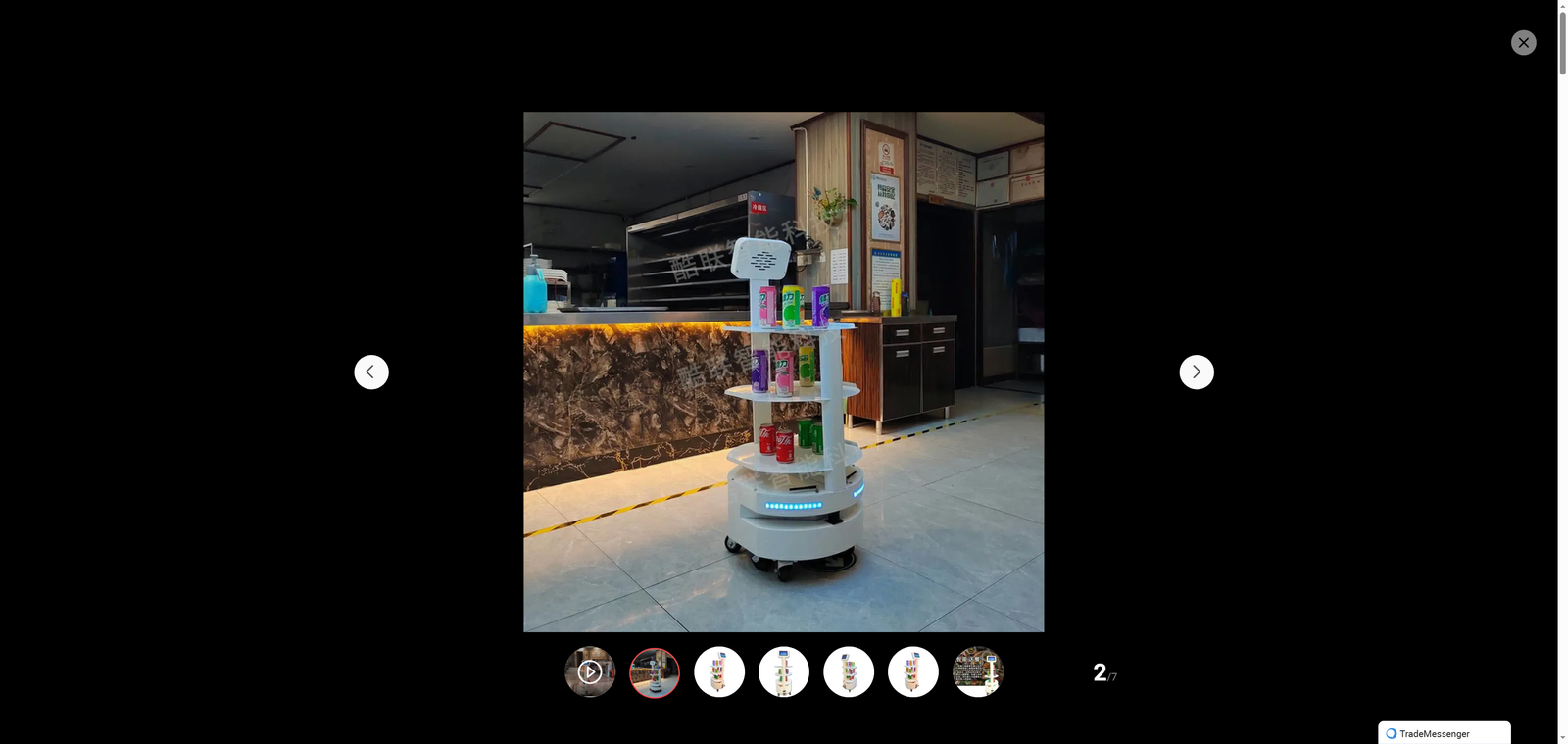
In the era of digital transformation, the hotel industry is undergoing a profound revolution driven by intelligent technology. Among various innovative solutions, hotel food service robots have emerged as a key force in optimizing service processes and enhancing guest experience. These intelligent devices, equipped with advanced navigation, perception and interaction technologies, are breaking the limitations of traditional manual service, realizing automatic food delivery, order response and other services, and bringing guests a more efficient, personalized and novel stay experience. From the moment guests enter the hotel to the time they return to their rooms, food service robots are silently integrating into every link of the service chain, interpreting the new connotation of "intelligent hospitality" with automatic services.
The most direct manifestation of hotel food service robots enhancing guest experience is the automatic optimization of service efficiency, which solves the pain points of long waiting time in traditional food service. In peak hours such as breakfast, lunch and dinner, hotels often face the problems of insufficient service staff, slow food delivery and long guest waiting time, which easily affects the stay experience. Food service robots can effectively make up for this defect: they can receive order information automatically through the connection with the hotel's intelligent management system, and accurately take the food from the kitchen according to the preset route. With the support of laser navigation, visual recognition and other technologies, the robots can flexibly avoid obstacles such as guests, furniture and other facilities in the hotel corridor, elevator and dining area, and accurately deliver the food to the designated table or guest room. Compared with manual service, robots do not need rest, do not have emotional fluctuations, and can maintain a stable service efficiency for a long time. They can complete the food delivery task quickly and accurately, greatly shortening the guest's waiting time. For example, in a high-end business hotel, after the guest places an order in the dining area, the robot can deliver the food to the table within 3-5 minutes, which is nearly half the time of manual delivery. This efficient automatic service not only improves the guest's satisfaction with the hotel's food service, but also helps the hotel save labor costs and optimize the allocation of human resources.
In addition to improving service efficiency, hotel food service robots also realize automatic personalized service through intelligent interaction, making guests feel more considerate and intimate care. Modern guests, especially young groups, have an increasing demand for personalized and interactive services. Traditional food service is often standardized and lacks flexibility, which is difficult to meet the individual needs of different guests. Food service robots are equipped with voice interaction modules, touch screens and other interactive devices, which can realize automatic communication with guests. For example, when guests enter the dining area, the robot can take the initiative to greet them with a friendly voice, ask about their dining needs, and recommend suitable dishes according to the guest's preferences, dietary taboos and other information stored in the system. If the guest has special requirements for the food temperature, portion or tableware, they can directly communicate with the robot, and the robot will automatically record the information and feedback it to the kitchen in real time to ensure that the guest's needs are met accurately. For guests staying in the hotel, they can also order food through the room intelligent terminal, and the robot will deliver the food to the door of the room at the appointed time. At the same time, it can also provide additional services such as taking away the tableware after the meal according to the guest's needs. This personalized automatic service breaks the one-way service mode of traditional hotels, realizes two-way interaction between guests and services, and makes guests feel that they are valued and cared for, thus enhancing the sense of belonging and satisfaction during the stay.
The automatic service of hotel food service robots also brings novel experience and memory points to guests, helping hotels build a unique brand image. For most guests, interacting with intelligent robots is a fresh and interesting experience. The cute appearance, vivid voice and flexible movements of food service robots can easily attract the attention of guests, especially children and young people. Many guests will take the initiative to take photos and share them on social media, which indirectly brings publicity effects to the hotel. For example, some hotels have designed food service robots with unique shapes according to their own brand positioning, such as cartoon images, traditional cultural images, etc. These robots not only complete the food delivery task, but also become a "net red check-in point" in the hotel, adding fun and cultural connotation to the guest's stay experience. In addition, the automatic service of robots also reflects the hotel's pursuit of technological innovation and quality service, which can leave a deep impression on guests. When guests choose a hotel again, they are more likely to prefer hotels with intelligent service facilities such as food service robots, which helps the hotel gain competitive advantages in the fierce market competition.
It is worth noting that the automatic service of hotel food service robots does not replace manual service, but forms a complementary relationship with manual service, jointly improving the quality of hotel service. Robots are mainly responsible for repetitive, tedious and high-intensity work such as food delivery and tableware recycling, while hotel staff can focus on providing more high-value services such as emotional communication, professional consultation and emergency handling for guests. For example, when guests encounter emotional needs such as complaints or suggestions, hotel staff can provide more intimate and in-depth services through face-to-face communication; and robots can undertake the heavy physical work, allowing staff to put more energy into improving the emotional experience of guests. This combination of man and machine not only gives play to the advantages of robots in automatic service, but also gives full play to the advantages of manual service in emotional interaction, making the hotel service more perfect and humanized.
With the continuous progress of technology, hotel food service robots will be more intelligent and humanized in the future. They will not only realize more complex automatic service functions such as intelligent meal preparation and real-time monitoring of food quality, but also further improve the accuracy and flexibility of interaction with guests through the application of technologies such as big data and artificial intelligence. For hotels, introducing food service robots and promoting the automatic transformation of food service is not only a response to the development trend of intelligent technology, but also an important measure to enhance core competitiveness and improve guest experience.
In conclusion, hotel food service robots, with their efficient, personalized and novel automatic service, are gradually changing the service mode of the hotel industry and continuously elevating the guest experience to a new height. They are not only tools for hotels to optimize service processes, but also messengers for building emotional connections with guests. In the future, as intelligent technology becomes more and more mature, hotel food service robots will play a more important role in the hotel industry, helping the hotel industry move towards a more intelligent, high-quality and humanized development direction.