
In the era of rapid technological advancement, smart automation has become a driving force reshaping the service industry. The hotel industry, which prioritizes guest experience and operational efficiency, is increasingly embracing innovative technologies to upgrade its services. Among these innovations, the hotel dining room delivery robot stands out as a game-changer, seamlessly integrating smart automation into daily operations and redefining the standards of hotel dining services. From streamlining delivery processes to enhancing guest satisfaction, these intelligent robots are transforming every aspect of the hotel dining experience.
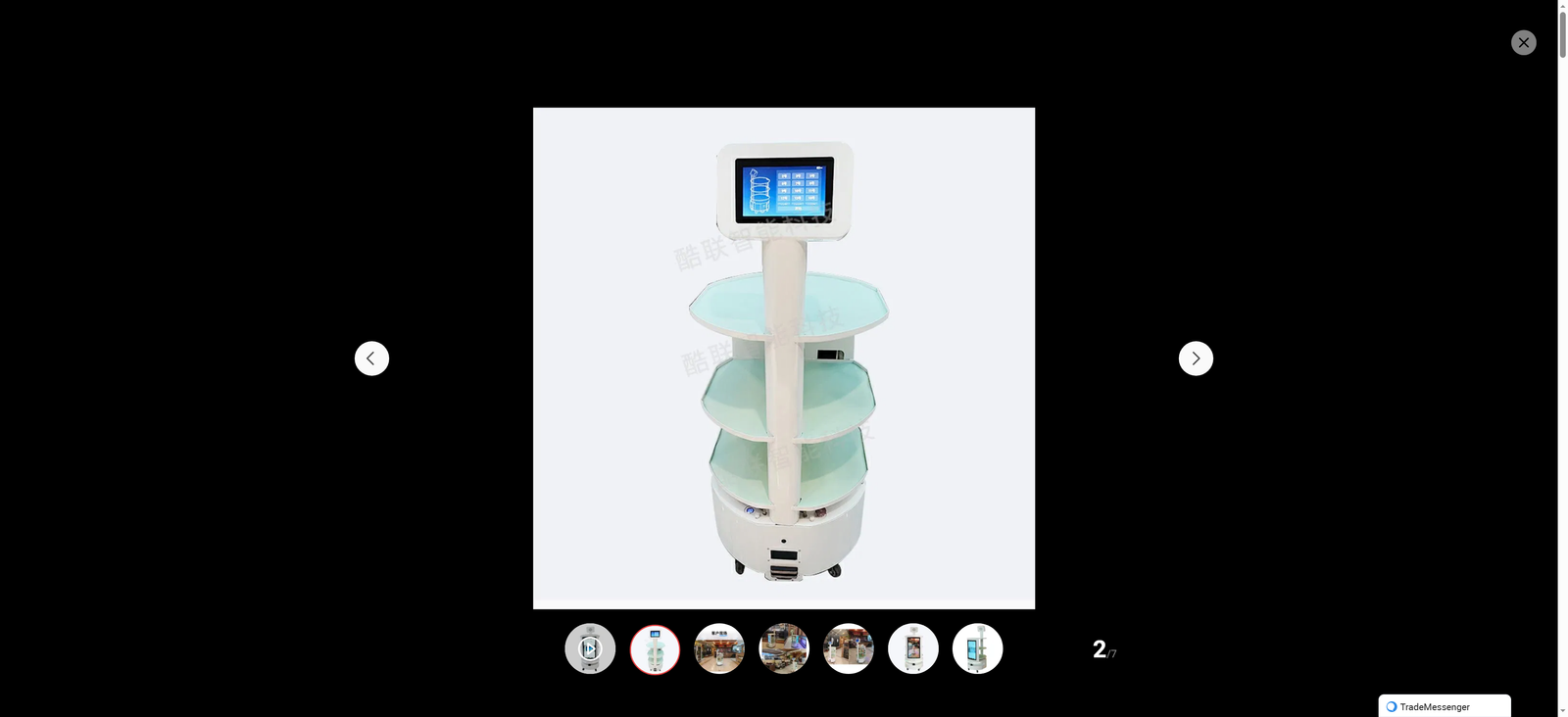
One of the most significant contributions of hotel dining room delivery robots is the optimization of operational efficiency. Traditional hotel dining delivery relies heavily on human staff, who often face heavy workloads during peak hours, leading to delays in order delivery, mix-ups, and increased labor costs. Smart delivery robots, equipped with advanced navigation systems such as laser radar and visual recognition, can accurately map the dining room layout, avoid obstacles in real-time, and take the shortest route to deliver food and beverages. Unlike human staff, they do not need rest, can work continuously for long hours, and significantly reduce the time between order placement and delivery. For example, in a busy hotel buffet or a la carte restaurant, a single delivery robot can handle multiple delivery tasks simultaneously, freeing up human staff to focus on more value-added services such as guest consultation, table setting, and personalized service. This not only improves the overall operational efficiency of the dining room but also lowers labor costs for hotels, creating a more cost-effective business model.
Beyond operational efficiency, hotel dining room delivery robots also play a crucial role in enhancing the guest experience. In today's digital age, guests, especially young travelers, are increasingly drawn to smart and innovative services that offer convenience and novelty. Delivery robots provide a unique and interactive experience for guests: from the moment they place an order, they can track the robot's movement in real-time through the hotel's mobile app or in-dining room displays. When the robot arrives at the table, it uses voice prompts and LED indicators to notify guests, and some advanced models even support contactless delivery, allowing guests to retrieve their orders by scanning a QR code. This contactless feature has become particularly valuable in the post-pandemic era, as it reduces the risk of cross-contamination and meets guests' growing demand for hygiene and safety. Moreover, the cute and intelligent design of many delivery robots adds a fun element to the dining experience, making it more memorable for guests. Whether it's a family with children who are fascinated by the robot's movements or business travelers who appreciate the efficiency and convenience, delivery robots cater to the diverse needs of different guest groups.
The transformation brought by smart automation in hotel dining delivery robots is also reflected in the improvement of service accuracy and reliability. Human errors, such as delivering the wrong order or forgetting a guest's request, are inevitable in traditional dining services, which can lead to guest dissatisfaction and damage the hotel's reputation. Smart delivery robots, however, are connected to the hotel's dining management system, enabling seamless data synchronization. When an order is placed, the system automatically sends the order details and table number to the robot, ensuring that the right food is delivered to the right table every time. Additionally, robots are equipped with sensors and cameras that allow them to detect and avoid potential hazards, such as spilled drinks on the floor or moving guests, ensuring safe and reliable delivery. This high level of accuracy and reliability helps hotels build a reputation for high-quality service, enhancing guest loyalty and positive word-of-mouth.
Looking to the future, the development of hotel dining room delivery robots will be further driven by advancements in artificial intelligence (AI), machine learning, and the Internet of Things (IoT). Future robots are expected to have more advanced capabilities, such as natural language processing to communicate with guests more intuitively, predictive analytics to anticipate guest needs, and integration with other smart hotel systems, such as room service and inventory management. For example, a robot could not only deliver food to the dining room but also transport room service orders to guests' rooms, or notify the kitchen staff when certain ingredients are running low. Furthermore, as sustainability becomes a key focus for the hotel industry, future delivery robots may adopt eco-friendly power sources, such as solar energy or rechargeable batteries with longer lifespans, reducing their carbon footprint. These advancements will further enhance the role of delivery robots in transforming hotel dining services, making them an indispensable part of the smart hotel ecosystem.
In conclusion, hotel dining room delivery robots, powered by smart automation, are revolutionizing the hotel dining experience by improving operational efficiency, enhancing guest satisfaction, and ensuring service accuracy and reliability. As technology continues to evolve, these robots will become even more intelligent and versatile, bringing more innovations to the hotel industry. For hotels, embracing smart delivery robots is not just a trend but a strategic choice to stay competitive in the rapidly changing service landscape. By integrating smart automation into dining services, hotels can not only meet the evolving needs of guests but also achieve sustainable development in the long run. The era of smart hotel dining, led by delivery robots, has arrived, and it is set to redefine the future of hospitality services.