
The New Era of Hotel Concierge Services: Humanoid Robots Redefine Multilingual Communication and Guest Interaction
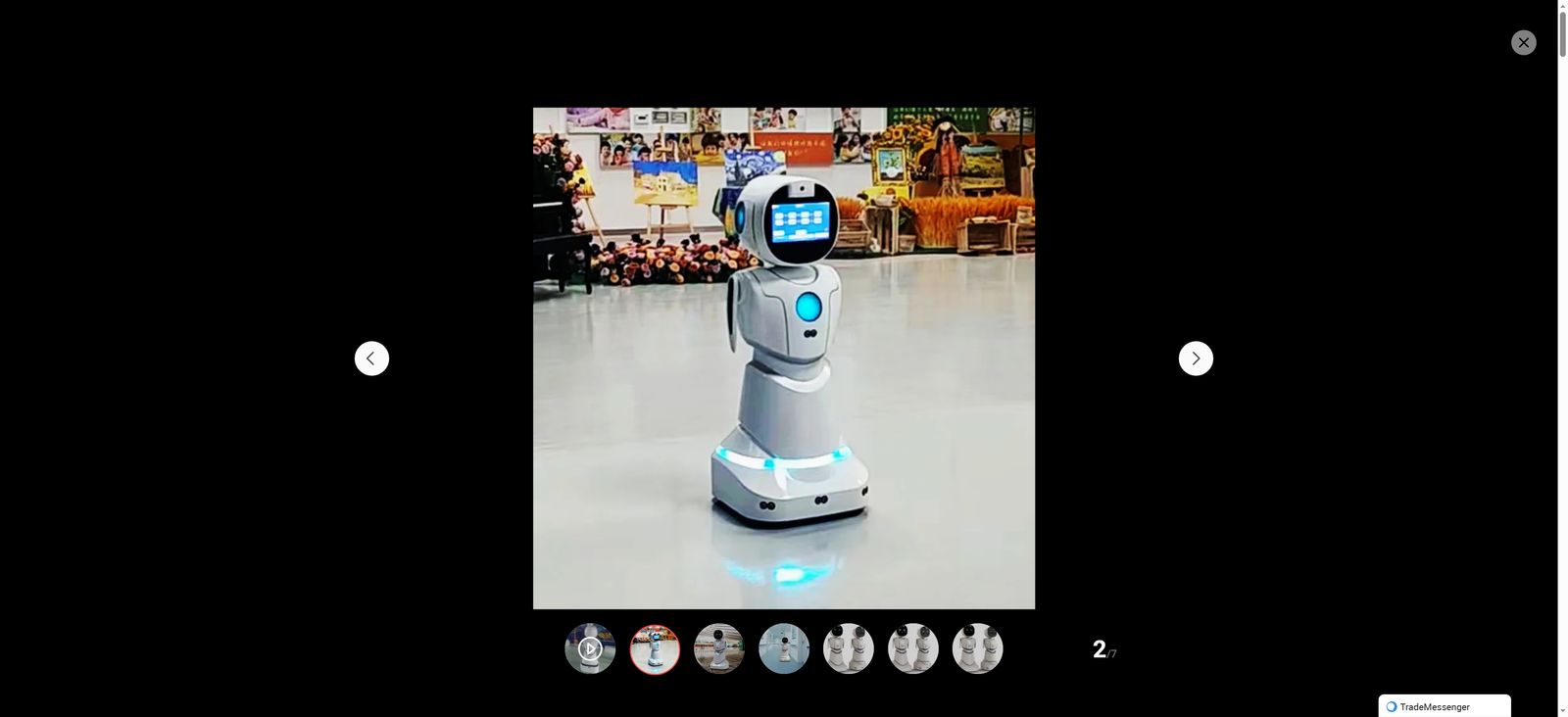
With the rapid development of the global tourism and hospitality industry, the demand for high-quality, personalized, and efficient concierge services is growing exponentially. As the "first window" of a hotel, the concierge desk undertakes the important tasks of receiving guests, answering inquiries, providing guidance, and resolving needs, which directly affects the guest’s stay experience and the hotel’s brand image. In recent years, the integration of artificial intelligence and robotics technology has brought a revolutionary change to hotel services. Humanoid robots, with their advantages in multilingual communication and intelligent guest interaction, have gradually become a new force in hotel concierge services, injecting fresh vitality into the traditional hospitality industry.
Multilingual communication is the core demand of hotel concierge services in the globalized era. With the increase in cross-border travel, guests from different countries and regions have diverse language needs. Traditional human concierge teams often face challenges such as limited language types, uneven proficiency, and fatigue caused by long-term multilingual work. Humanoid robots, equipped with advanced natural language processing (NLP) technology and large-scale multilingual databases, perfectly solve this pain point. They can seamlessly switch between dozens of languages, including English, Mandarin, French, German, Japanese, Korean, and Arabic, with accurate pronunciation and fluent expression.
Whether it is a tourist from Europe who needs to inquire about local scenic spots, a business traveler from Japan who wants to confirm the check-out time, or a family from the Middle East who needs to book a restaurant, the humanoid concierge robot can quickly understand their needs and give professional and detailed responses. Unlike rigid machine translations, these robots can also grasp the nuances of language, such as polite expressions, cultural taboos, and emotional tendencies, avoiding misunderstandings caused by cultural differences. For example, when communicating with Japanese guests, the robot will use respectful honorifics; when interacting with Middle Eastern guests, it will pay attention to avoiding sensitive topics, reflecting the hotel’s respect for diverse cultures and improving the guest’s sense of identity and satisfaction.
In addition to excellent multilingual communication capabilities, humanoid robots also optimize guest interaction experiences with their humanized design and intelligent interaction functions. Different from traditional service machines with single functions, humanoid robots have a bionic appearance and flexible limb movements. They can make natural facial expressions, such as smiling and nodding, and use gestures to guide guests, reducing the sense of distance between humans and machines. When guests approach the concierge desk, the robot will take the initiative to greet them with a friendly voice and a smile, creating a warm and welcoming atmosphere.
In the process of interaction, humanoid robots can also realize personalized services through intelligent perception and data analysis. They can record guest information and preferences through the hotel’s customer relationship management (CRM) system, such as a guest’s favorite room temperature, drinking habits, or travel preferences. When the guest stays again, the robot can take the initiative to greet them by name and provide personalized suggestions, such as "Mr. Smith, welcome backI remeber you like black coffee, and we have prepared it for you in the lobby lounge." This kind of personalized interaction makes guests feel valued and cared for, greatly enhancing the sense of experience and loyalty.
Moreover, humanoid concierge robots have the advantages of 24-hour uninterrupted service and high work efficiency. They do not need rest, do not feel tired, and can maintain a stable service quality at any time of the day. During peak hours such as check-in and check-out, they can share the work pressure of human concierges, quickly handle simple and repetitive tasks such as answering common inquiries, guiding directions, and printing documents, allowing human concierges to focus on more complex and personalized services, such as handling special requests, arranging custom travel routes, and resolving unexpected problems. This human-machine collaboration model not only improves the efficiency of concierge services but also optimizes the allocation of human resources in the hotel.
Of course, the application of humanoid robots in hotel concierge services does not mean replacing human concierges. On the contrary, robots are important supplements to human services, forming a synergistic effect with human concierges. Human beings have unique emotional perception and emotional communication capabilities, which are irreplaceable by robots. For example, when guests encounter emergencies or have emotional needs, human concierges can provide more intimate and empathetic care; while robots can rely on their technological advantages to provide efficient and standardized services. The combination of the two can maximize the quality of hotel concierge services and meet the diverse needs of guests.
Looking to the future, with the continuous progress of artificial intelligence, robotics, and other technologies, humanoid concierge robots will have more powerful functions and broader application prospects. They may realize more natural emotional interaction through emotional recognition technology, provide more accurate personalized services through big data analysis, and even cooperate with other smart devices in the hotel to create a full-scenario smart stay experience for guests. For example, guests can directly communicate with the robot to control the lights, curtains, and air conditioning in the room, or ask the robot to arrange transportation and tickets.
In conclusion, humanoid robots, with their outstanding multilingual communication capabilities and humanized guest interaction functions, have become a new trend in the development of hotel concierge services. They not only solve the pain points of traditional concierge services but also inject new technological vitality into the hotel industry, promoting the transformation and upgrading of the hospitality industry towards intelligence and personalization. In the new era of hotel services, humanoid concierge robots will work with human services to create a more high-quality, efficient, and warm stay experience for global guests, helping hotels build a competitive brand image in the global market.