
In the era of intelligent transformation, the catering and hospitality industries are witnessing a profound revolution driven by technological innovation. Among the emerging intelligent equipment, the hot selling robot waiter has become a game-changer, reshaping the service landscape of restaurants, hotels, and commercial delivery scenarios. With its efficient, stable, and cost-effective performance, this intelligent service solution is no longer a novelty but a practical tool that helps businesses enhance service quality, optimize operational efficiency, and gain competitive advantages.
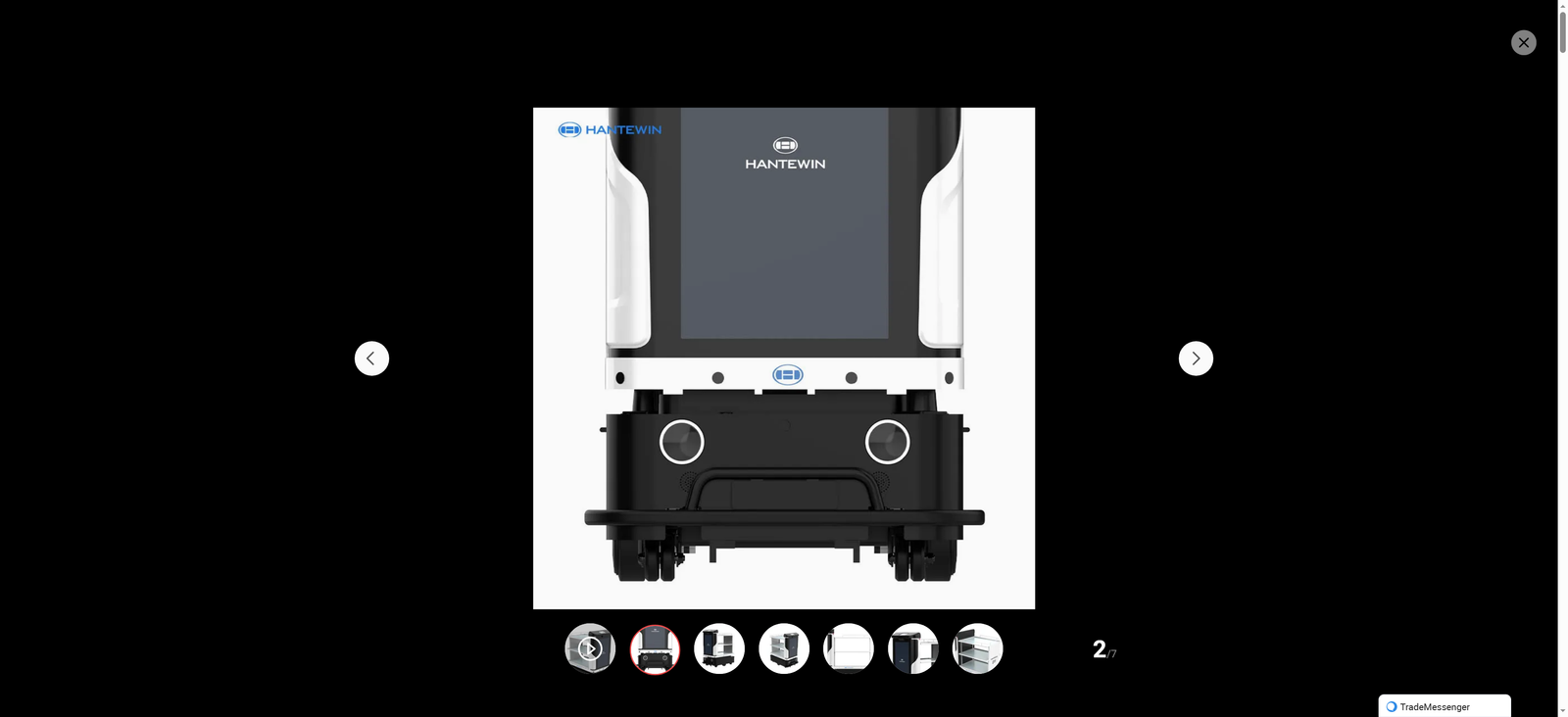
The hot selling robot waiter is specifically designed for the complex service needs of commercial scenarios such as restaurants and hotels. Unlike traditional manual services, it is equipped with advanced navigation and obstacle avoidance systems, enabling it to move freely in crowded dining halls, hotel lobbies, or corridors. Whether it is delivering dishes in a busy restaurant, transporting luggage for guests in a hotel, or completing point-to-point delivery in commercial complexes, the robot waiter can accurately reach the designated location without human guidance. This not only reduces the workload of manual waiters but also avoids service delays caused by human factors, ensuring a smooth and efficient service experience for customers.
For restaurant operators, the adoption of hot selling robot waiters brings significant operational benefits. In the context of rising labor costs, the one-time investment in robot waiters can replace the long-term labor expenditure of multiple waiters, greatly reducing the operating costs of the restaurant. At the same time, the robot waiter does not need rest, can work continuously for a long time, and maintains a consistent service standard, effectively solving the problems of insufficient manual staff during peak hours and uneven service quality. In addition, the novel service method of robot waiters can also attract more customers to experience, becoming a unique selling point for restaurants to differentiate themselves from competitors.
In hotel scenarios, the hot selling robot waiter further enriches the service connotation and improves the guest experience. When guests arrive at the hotel, the robot waiter can assist in transporting luggage to the room, reducing the waiting time for guests. During the stay, if guests need daily necessities such as towels and water, they can directly call the robot waiter through the room system, and the robot will deliver the items to the door accurately and quickly. This contactless service method not only meets the health and safety needs of guests in the post-pandemic era but also reflects the hotel's intelligent and humanized service concept, leaving a deep impression on guests.
In the field of commercial delivery, the hot selling robot waiter also shows strong adaptability and efficiency. In large commercial complexes, office buildings, or scenic spots, the robot waiter can undertake the delivery tasks of meals, drinks, documents, and other items. It can navigate through complex environments, take elevators autonomously, and complete delivery tasks efficiently. Compared with traditional manual delivery, the robot waiter has higher delivery accuracy and faster speed, and can effectively reduce the loss and error rate in the delivery process. For businesses engaged in commercial delivery services, the application of robot waiters can significantly improve delivery efficiency, reduce delivery costs, and enhance customer satisfaction.
The popularity of hot selling robot waiters is not only a manifestation of technological progress but also a response to the market's demand for efficient and high-quality services. With the continuous upgrading of technology, the functions of robot waiters are becoming more and more comprehensive. In the future, they will not only be able to complete basic delivery tasks but also realize more intelligent interactions, such as answering customer inquiries, recommending dishes, and processing simple service requests. This will further promote the intelligent transformation of the catering, hospitality, and commercial delivery industries, bringing a better service experience to customers and creating greater value for businesses.
In conclusion, the hot selling robot waiter has become an indispensable intelligent tool in modern commercial service scenarios such as restaurants, hotels, and commercial delivery. Its efficient, stable, and cost-effective advantages make it favored by a large number of businesses. As the trend of intelligent service continues to strengthen, the robot waiter will surely play a more important role in the commercial service field, leading a new wave of service upgrading.