
Hospitality Service Robot: Transforming the Experience in Hotels, Resorts and Cruise Ships
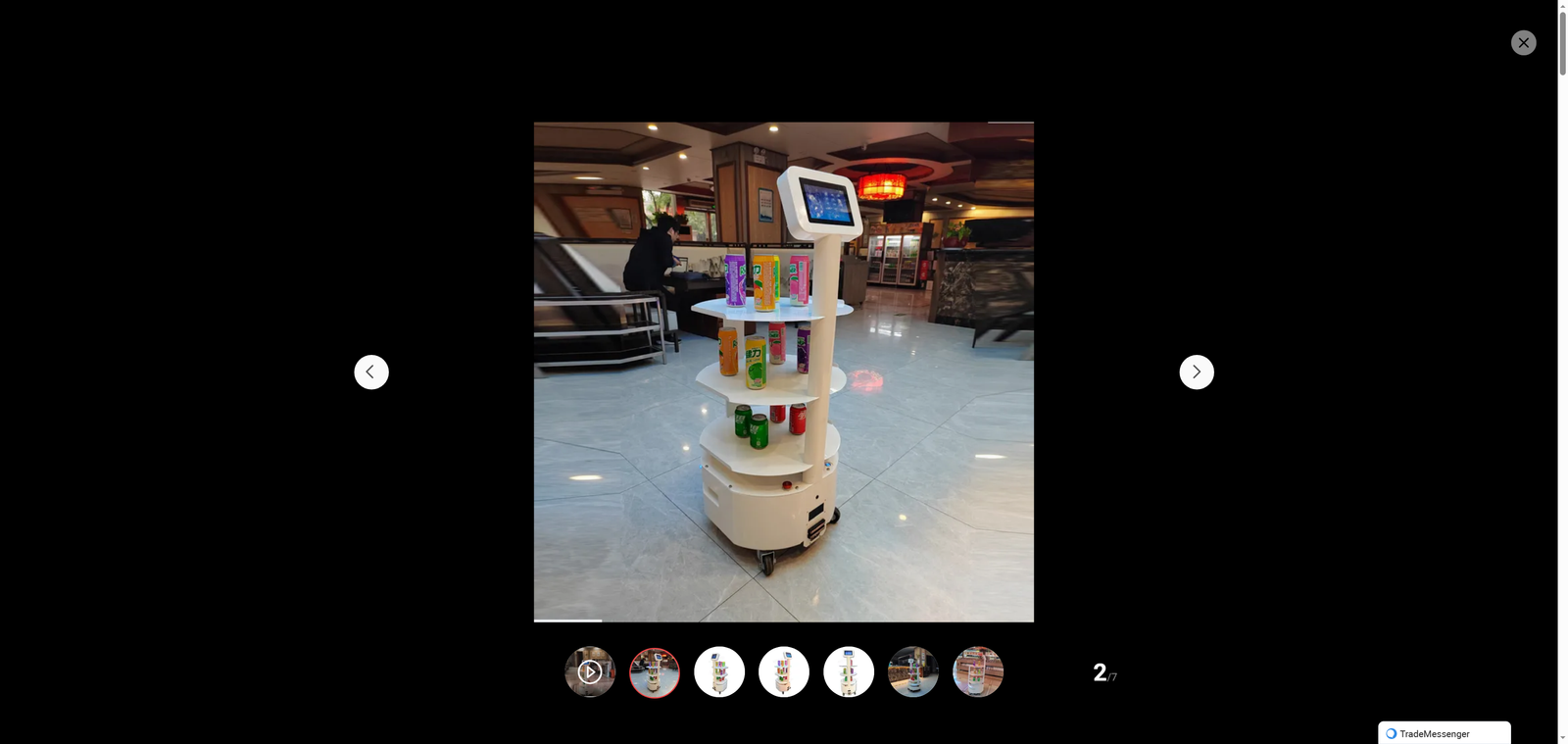
In the era of digital transformation, the hospitality industry is undergoing a profound revolution driven by technological innovation. Among the emerging technologies, hospitality service robots have emerged as a game-changer, reshaping the way hotels, resorts and cruise ships deliver services. These intelligent machines, equipped with advanced sensors, artificial intelligence (AI) and automation capabilities, are no longer just novel gadgets—they have become reliable partners in enhancing service efficiency, improving guest experience and optimizing operational management. From welcoming guests at the lobby to delivering amenities to rooms, from guiding tourists in resorts to serving meals on cruise ships, hospitality service robots are injecting new vitality into the global hospitality sector.
Hotels, as the core scenario of the hospitality industry, have been at the forefront of adopting service robots. The lobby, as the "face" of a hotel, is where the first impression of guests is formed. Traditional front desk services often face challenges such as long queues during peak hours, which may affect guest satisfaction. Hospitality service robots perfectly solve this problem by undertaking a series of reception tasks. Equipped with face recognition technology, they can quickly identify guests, verify reservation information and even guide guests to their rooms autonomously. Some high-end hotel robots are also capable of answering common questions in multiple languages, providing information about hotel facilities, nearby attractions and transportation options, which greatly reduces the workload of front desk staff and allows them to focus on more personalized services.
Beyond reception, service robots in hotels also play an important role in room service and logistics support. Guests no longer need to wait for a long time when they need extra towels, mineral water or other amenities—they can simply place an order through the hotel app, and the robot will deliver the items to the room door accurately and efficiently. Unlike human staff, robots can work 24 hours a day without rest, ensuring that guest needs are met at any time. In addition, robots can also be used for cleaning and disinfection work. Especially after the epidemic, health and safety have become a top priority for guests. Service robots equipped with ultraviolet disinfection lamps or spray disinfection systems can disinfect public areas such as lobbies, elevators and corridors thoroughly, reducing the risk of cross-infection and enhancing guests' sense of security. This not only improves the efficiency of cleaning work but also ensures the quality of hygiene management.
Resorts, which focus on providing a relaxed and immersive vacation experience, also benefit greatly from hospitality service robots. Unlike hotels located in urban areas, resorts usually cover a large area with scattered facilities, such as villas, scenic spots, restaurants and entertainment venues. Guiding guests around the resort has always been a time-consuming task. Service robots equipped with GPS navigation and map positioning functions can act as professional tour guides, leading guests to their desired destinations while introducing the characteristics and stories of each scenic spot in detail. For example, in a coastal resort, robots can take guests to the beach, botanical garden or spa center, and share interesting knowledge about marine life or tropical plants along the way, making the tour more interactive and interesting.
In addition, resorts often hold various events and activities, such as weddings, parties and cultural performances. Service robots can assist in event services, such as distributing leaflets, guiding seats, serving snacks and drinks, and even taking photos and videos for guests. These robots not only add a sense of technology and novelty to the events but also ensure the smooth progress of the services. For family-friendly resorts, service robots designed in cute shapes can also become "companions" for children, playing games, telling stories and teaching knowledge with them, which greatly enriches the vacation experience of young guests and helps resorts attract more family customers.
Cruise ships, as a unique "floating hotel", have strict requirements for service efficiency and space utilization. The limited space and large number of passengers on cruise ships make it a huge challenge to provide high-quality services. Hospitality service robots have become an ideal solution to optimize cruise ship services. On cruise ships, robots can undertake a variety of tasks, such as cabin service, restaurant service and public area management. In the restaurant, robots can accurately deliver meals to passengers' tables according to the order information, avoiding the chaos caused by manual delivery in narrow spaces. They can also automatically return empty plates and tableware to the kitchen, reducing the workload of restaurant staff.
In the cabin area, service robots can deliver daily necessities, laundry services and even medical supplies to passengers. In case of emergency, robots can quickly send first-aid kits to the designated cabin and notify the medical staff at the same time, winning valuable time for rescue. In addition, cruise ships often sail on the sea for a long time, and passengers may feel bored during the voyage. Service robots can provide entertainment services, such as playing music, showing movies, hosting small games and so on, to enrich passengers' on-board life. What's more, robots can work in harsh environments on cruise ships, such as high humidity and strong salt spray, without being affected, which ensures the stability and continuity of services.
It is worth noting that the popularization of hospitality service robots does not mean replacing human staff. On the contrary, they complement each other to create a better service ecosystem. Robots are good at undertaking repetitive, tedious and high-intensity work, while human staff are more adept at providing personalized, emotional and professional services, such as handling complex guest complaints, providing customized travel advice and delivering care to special guests. The combination of robots and humans not only improves service efficiency and reduces operational costs but also maximizes guest satisfaction. For example, a guest who is in a bad mood due to a flight delay may need the comfort and care of a human staff member, while the delivery of luggage and amenities can be completed by robots.
Looking to the future, with the continuous advancement of AI, big data and Internet of Things (IoT) technologies, hospitality service robots will become more intelligent, flexible and humanized. They will be able to better understand guest needs through data analysis, provide more personalized services, and even predict guest needs in advance. For example, robots can record guests' living habits, such as preferred room temperature, pillow type and breakfast taste, and automatically adjust the room environment and prepare meals according to these habits when guests check in next time. In addition, the appearance and interaction mode of robots will also be more diversified, better integrating with the cultural and decorative style of hotels, resorts and cruise ships, and becoming an important part of the overall service experience.
In conclusion, hospitality service robots have brought revolutionary changes to the operation and service mode of hotels, resorts and cruise ships. They have become an indispensable part of the modern hospitality industry by virtue of their efficient, stable and safe service capabilities. As technology continues to evolve, these intelligent robots will play an even more important role in promoting the high-quality development of the hospitality industry, creating a more comfortable, convenient and personalized experience for guests around the world. The era of intelligent hospitality has arrived, and the combination of technology and service will surely write a new chapter for the global hospitality industry.