
In the wave of global intelligence, the service industry is undergoing a profound transformation. For restaurants and hotels that focus on customer experience and operational efficiency, high-quality intelligent automatic control systems have become a key driving force for upgrading. Among them, smart reception and food delivery robots, equipped with advanced intelligent auto-control technologies, are gradually moving from a novel gimmick to a practical necessity, redefining the service patterns of the catering and hospitality industries.
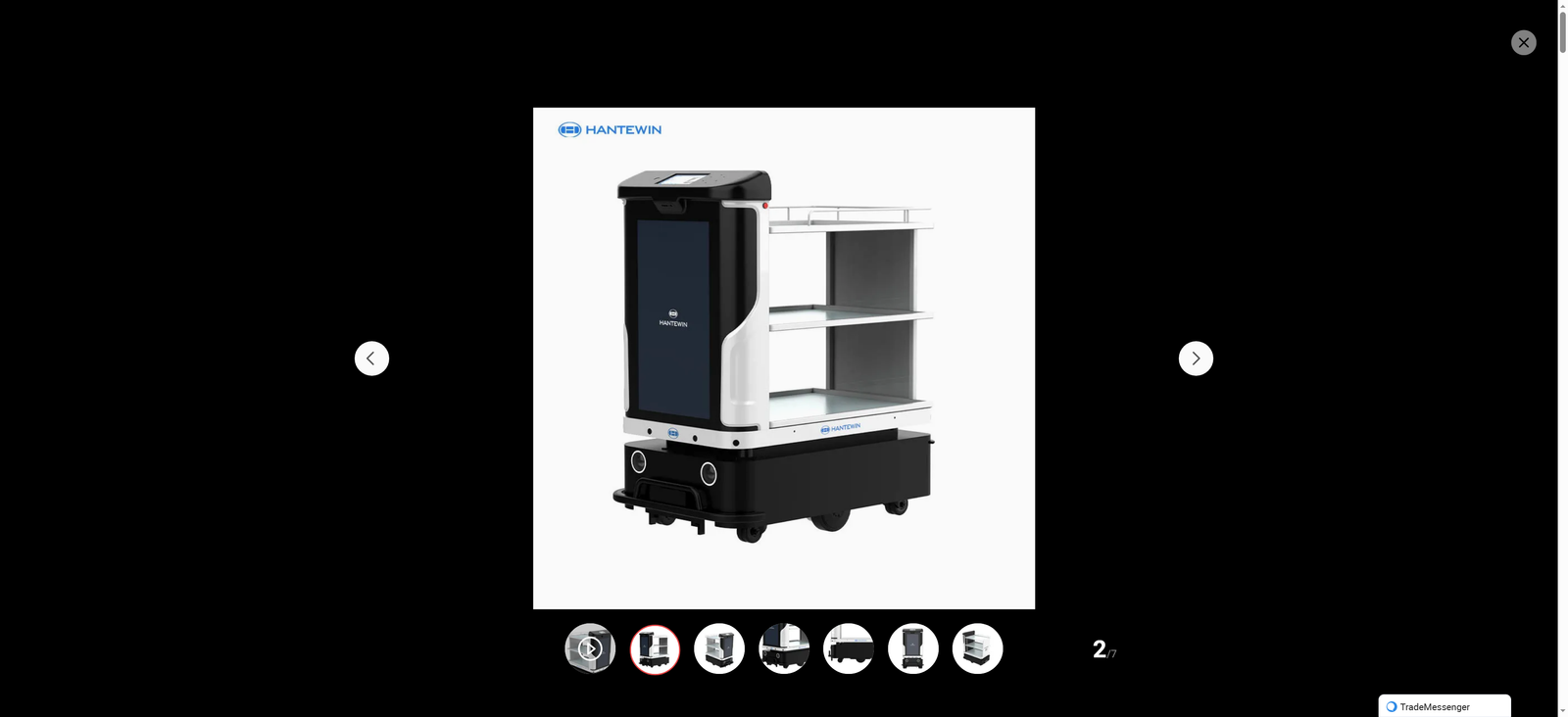
The core competitiveness of these smart robots lies in their high-quality intelligent auto-control capabilities. Different from the early simple mobile devices, the latest generation of robots integrates multiple cutting-edge technologies such as precision sensors, AI algorithms, and Internet of Things (IoT) connectivity. This enables them to achieve full-process automatic control in complex service scenarios. For example, in terms of path planning, the robot can automatically detect obstacles in real time, dynamically adjust its route, and accurately reach the designated table or guest room without manual intervention. In the food delivery process, it can precisely control the stability of the carrying platform, ensuring that the food and drinks are not spilled, which fully reflects the "high quality" of intelligent control.
In restaurant scenarios, smart food delivery robots have become a powerful assistant for waiters. They can take over the tedious and repetitive food delivery work, such as delivering appetizers, main courses, and desserts to each table in an orderly manner according to the order from the kitchen. With the support of intelligent auto-control, the robots can accurately identify the table number through visual recognition technology, and even send a reminder to the customer's mobile phone or the restaurant's POS system after completing the delivery. This not only reduces the workload of the service staff, allowing them to focus more on providing personalized services such as explaining dishes and answering customer questions, but also improves the efficiency of food delivery, shortens the customer's waiting time, and enhances the overall dining experience. In peak dining hours, multiple robots can cooperate with each other without interfering, greatly improving the restaurant's service capacity.
For hotels, the smart reception and food delivery functions of the robots bring more convenience to guests and operational benefits to the hotel. At the front desk, the robot can complete basic reception work through voice interaction, such as greeting guests, guiding them to the check-in counter, and providing information about hotel facilities. After check-in, the robot can deliver daily necessities, room service meals, and other items to the guest room according to the guest's request. Compared with manual delivery, the robot can work 24 hours a day without rest, breaking the time limit of traditional services. Guests do not need to wait for the service staff to be free, and can get the required items in a short time, which greatly improves the timeliness of the service. In addition, the robot's intelligent auto-control system can record the delivery data in real time, which is convenient for the hotel management to analyze the service demand and optimize the staff arrangement and service process.
The popularization of high-quality intelligent auto-control restaurant and hotel smart reception food delivery robots also brings obvious economic benefits to the operators. In the long run, the one-time investment in robots can replace the labor cost of multiple service staff, especially in the context of rising labor costs in the service industry. Moreover, the robots have low maintenance costs and stable working performance, which can effectively reduce the operational risks caused by staff turnover and human errors. At the same time, the intelligent and high-tech service method can also become a unique selling point for restaurants and hotels, attracting more young consumers who pursue novel experiences, thereby increasing customer flow and revenue.
Of course, the development of smart service robots is not without challenges. For example, in some extreme scenarios, such as crowded spaces or sudden obstacles, the robot's intelligent control system still needs to be continuously optimized to improve its adaptability. In addition, the acceptance of intelligent services varies among different age groups of customers, and how to balance the intelligent service and humanized care is also a problem that operators need to consider. However, with the continuous progress of technology, these problems will be gradually solved, and the intelligent auto-control capabilities of the robots will be further improved.
In conclusion, high-quality intelligent auto-control restaurant and hotel smart reception food delivery robots are an important manifestation of the intelligence transformation of the service industry. They rely on advanced intelligent control technologies to improve service efficiency, optimize customer experience, and reduce operational costs for restaurants and hotels. With the continuous innovation and popularization of technology, it is believed that these smart robots will play a more important role in the catering and hospitality industries in the future, leading the service industry to enter a more intelligent and high-quality new era.