
In the era of digital transformation, the service industry is undergoing a profound revolution driven by artificial intelligence (AI) technology. Among the various innovative applications, high-quality AI intelligent service delivery robots have emerged as game-changers in the hotel and restaurant sectors. These advanced robotic systems are not merely technological gimmicks but practical solutions that optimize service efficiency, enhance customer experiences, and reshape the operational landscape of hospitality and catering businesses. From seamless food delivery in bustling restaurants to timely amenities provision in luxury hotels, AI service delivery robots are redefining what it means to deliver exceptional service.
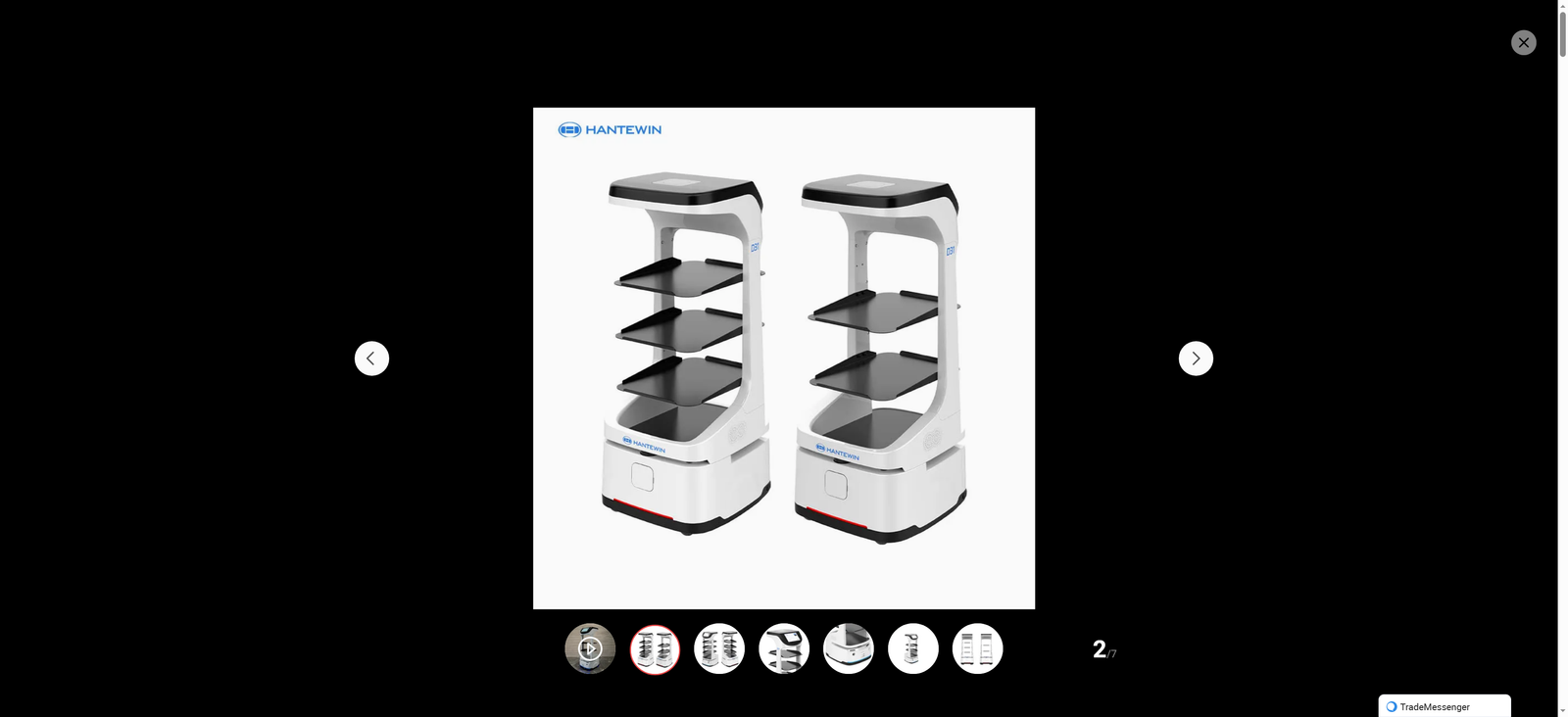
The core value of high-quality AI intelligent service delivery robots lies in their ability to address the long-standing pain points of the hotel and restaurant industries. For restaurants, especially during peak hours, the shortage of waitstaff often leads to delayed food delivery, missed orders, and exhausted employees. AI delivery robots, equipped with advanced navigation and scheduling algorithms, can efficiently navigate through crowded dining halls, avoid obstacles in real-time, and deliver dishes to the correct tables with pinpoint accuracy. This not only reduces the burden on human staff but also shortens the waiting time for customers, significantly improving dining satisfaction. In hotels, guests often require various amenities—such as extra towels, bottled water, or toiletries—at any time of the day. AI service delivery robots can operate 24/7, responding to guest requests promptly and delivering items to rooms without the need for human intervention, ensuring round-the-clock service quality.
Behind the excellent performance of these robots is a suite of cutting-edge AI technologies. High-precision mapping and navigation technology allow the robots to familiarize themselves with the layout of hotels and restaurants quickly. By integrating sensors, cameras, and lidar, they can perceive their surroundings in real-time, making intelligent decisions to avoid collisions with customers, staff, or other obstacles. Additionally, natural language processing (NLP) technology enables the robots to interact with customers and staff in a friendly and intuitive manner. They can understand simple voice commands, answer basic inquiries—such as "Where is the restroom?" or "What time is breakfast served?"—and even send notifications to customers when their orders are ready. Moreover, the cloud-based management system allows business operators to monitor the robots' status, schedule tasks, and analyze operational data remotely, providing valuable insights for optimizing service processes.
The application of high-quality AI intelligent service delivery robots also brings significant economic benefits to hotel and restaurant businesses. In the long run, investing in robots can reduce labor costs, as they can replace part of the repetitive and tedious work of human staff. For example, a single delivery robot can handle the delivery tasks of 2-3 waiters during peak hours, reducing the need for additional temporary staff. Furthermore, the robots' high efficiency and accuracy can minimize order errors and food waste, further lowering operational costs. At the same time, the novelty and convenience brought by AI robots can attract more customers, enhancing the brand image of businesses and gaining a competitive edge in the market. Many customers are willing to take photos and share their experiences with AI robots on social media, inadvertently bringing free publicity to the business.
Looking to the future, high-quality AI intelligent service delivery robots in hotels and restaurants will continue to evolve and become more intelligent and versatile. With the advancement of AI technology, future robots may be able to handle more complex tasks, such as customizing food recommendations based on customer preferences, assisting with check-in and check-out procedures in hotels, and even providing personalized tour guides for hotel guests. Additionally, the integration of robotics with other emerging technologies—such as the Internet of Things (IoT) and big data—will enable more seamless connectivity between robots and the existing operational systems of businesses, creating a more intelligent and efficient service ecosystem. It is worth noting that while AI robots are transforming the service industry, they are not intended to replace human staff entirely. Instead, they will complement human services, allowing staff to focus on more high-value tasks that require emotional interaction and personalized care, such as building relationships with customers and resolving complex issues.
In conclusion, high-quality AI intelligent service delivery robots are bringing a new wave of innovation to the hotel and restaurant industries. With their efficient, reliable, and intelligent service capabilities, they are optimizing operational processes, reducing costs, and enhancing customer experiences. As technology continues to advance, these robots will play an increasingly important role in the hospitality and catering sectors, driving the industry towards a more intelligent and customer-centric future. For businesses that embrace this technological transformation, AI service delivery robots are not just an investment in equipment but a strategic move to stay ahead in the competitive service market.