
In the hospitality industry, where cleanliness is the cornerstone of customer satisfaction and brand reputation, the demand for efficient, consistent, and intelligent cleaning solutions has never been higher. Hotels, as high-traffic commercial spaces, face the constant challenge of maintaining immaculate indoor floors amid daily guest turnover, varying floor materials, and the need to minimize operational costs. Enter the high-quality AI smart indoor commercial floor cleaning robot—a revolutionary tool that is transforming the way hotels approach floor maintenance, blending cutting-edge technology with practical functionality to set new benchmarks for cleanliness and efficiency.
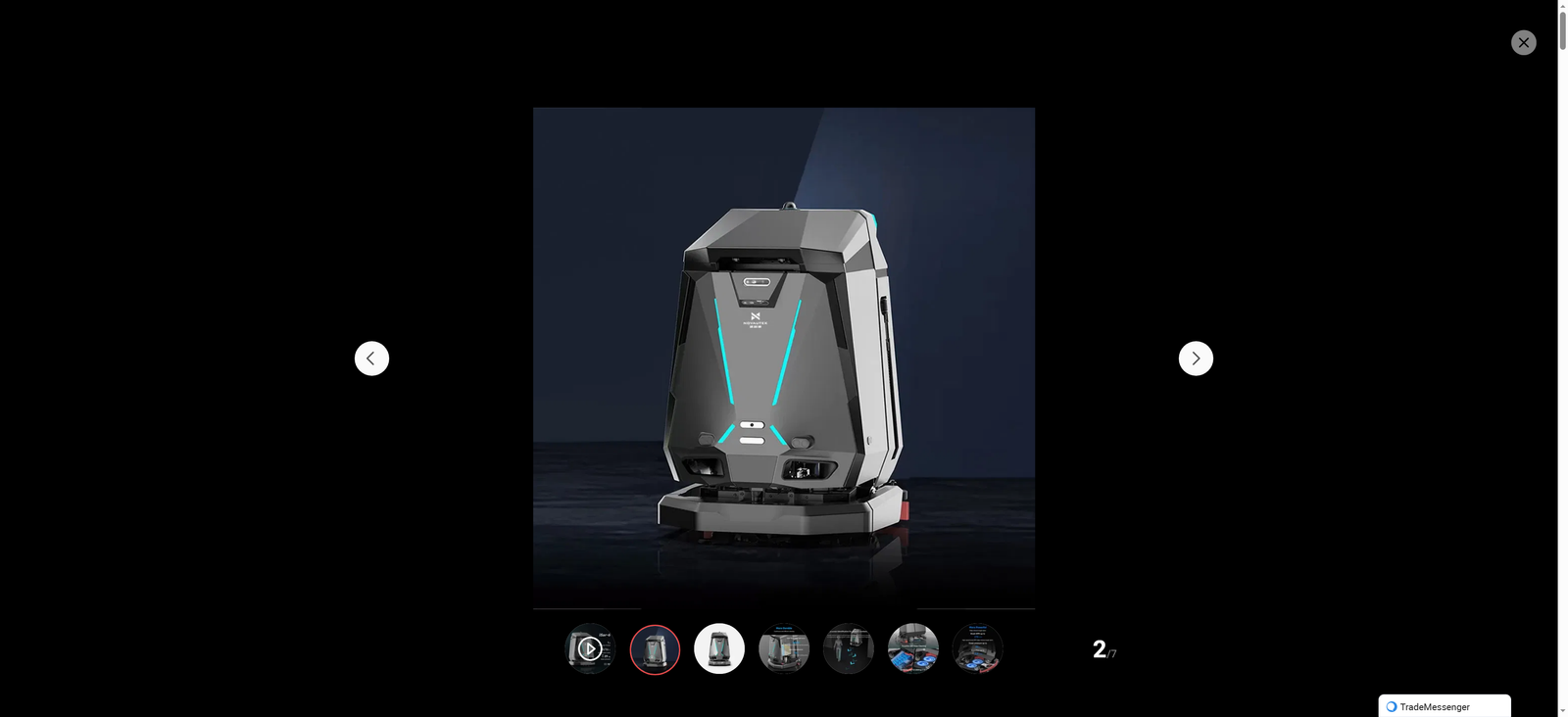
At the heart of this innovative cleaning solution lies advanced artificial intelligence (AI) technology, which distinguishes it from traditional cleaning equipment and even basic robotic cleaners. Unlike manual cleaning, which is prone to human error, inconsistency, and fatigue, the AI-powered robot leverages sophisticated algorithms to navigate complex hotel environments with precision. Equipped with multiple sensors, including 3D cameras, LiDAR, and ultrasonic sensors, it can map out hotel floors in real time, identify obstacles such as furniture, potted plants, and even scattered guest items, and adjust its cleaning path dynamically. This not only ensures thorough coverage of every corner—from spacious lobbies and corridors to narrow passages between hotel rooms—but also avoids collisions, protecting both the robot and the hotel’s property.
High quality is a non-negotiable feature of this commercial cleaning robot, tailored to withstand the rigors of daily use in busy hotel settings. Constructed with durable, wear-resistant materials, the robot is designed to operate continuously for extended periods without compromising performance. Its cleaning modules—including high-speed rotating brushes, powerful suction systems, and precision mopping pads—are engineered to tackle a variety of floor surfaces common in hotels, such as marble, carpet, vinyl, and hardwood. For example, on carpeted areas, the robot automatically adjusts its suction power to remove deep-seated dust and debris, while on hard floors, it switches to mopping mode with controlled water flow to avoid over-wetting, leaving floors dry and slip-resistant in minutes. This versatility eliminates the need for multiple specialized cleaning tools, streamlining the hotel’s cleaning workflow.
Intelligence extends beyond navigation and cleaning adaptation; the robot also offers comprehensive smart management capabilities that empower hotel operations teams. Through a dedicated cloud-based platform or mobile app, staff can remotely schedule cleaning tasks, set specific cleaning zones (such as high-traffic areas that require more frequent attention), and monitor the robot’s real-time status—including battery level, cleaning progress, and maintenance alerts. This level of control allows hotels to optimize their cleaning schedules, ensuring that floors are cleaned during off-peak hours to avoid disrupting guests, while also reducing the need for on-site supervision. Additionally, the AI system collects and analyzes cleaning data over time, providing insights into cleaning frequency, coverage efficiency, and areas that may require additional attention, enabling data-driven decisions to further improve operational efficiency.
For hotels, the adoption of high-quality AI smart indoor commercial floor cleaning robots translates to tangible benefits beyond just cleaner floors. Firstly, it significantly reduces labor costs. Manual floor cleaning in large hotels requires a team of cleaners working long hours, but a single robot can replace multiple human workers, handling the bulk of floor cleaning tasks efficiently. This not only cuts down on payroll expenses but also addresses the industry-wide challenge of labor shortages. Secondly, it enhances guest experience. A clean, well-maintained environment is essential for guest satisfaction, and the robot’s quiet operation ensures that guests are not disturbed during their stay. Moreover, the use of advanced technology reflects a hotel’s commitment to innovation and quality, leaving a positive impression on guests.
Sustainability is another key advantage of these smart cleaning robots. Equipped with high-capacity, rechargeable lithium-ion batteries, they consume significantly less energy compared to traditional cleaning equipment. Additionally, the precise water and detergent dosage control minimizes waste, reducing the hotel’s environmental footprint. This aligns with the growing trend of eco-friendly hospitality, as more hotels strive to implement sustainable practices to meet customer expectations and global environmental standards.
In conclusion, the high-quality AI smart indoor commercial floor cleaning robot is more than just a cleaning tool—it is a strategic investment for hotels looking to elevate their cleanliness standards, optimize operations, and enhance guest satisfaction. By combining advanced AI navigation, durable construction, versatile cleaning capabilities, and smart management features, it addresses the unique challenges of hotel floor maintenance, offering a efficient, cost-effective, and sustainable solution. As the hospitality industry continues to evolve, embracing such innovative technologies will be crucial for hotels to stay competitive and deliver exceptional guest experiences. The future of hotel cleaning is smart, and this robot is leading the way.