
In the era of intelligent transformation, the integration of advanced technology and service industries has spawned a new wave of efficiency and quality upgrading. Among them, high automatic smart intelligent delivery robots have emerged as a pivotal innovation, especially in scenarios with high demands for service standardization, timeliness and hygiene—hotels and hospitals. These robots, equipped with cutting-edge autonomous navigation, intelligent recognition and automatic control technologies, are no longer just "tools" but have evolved into an indispensable part of modern service systems, redefining the mode of food and meal delivery service with their high efficiency, stability and humanization.
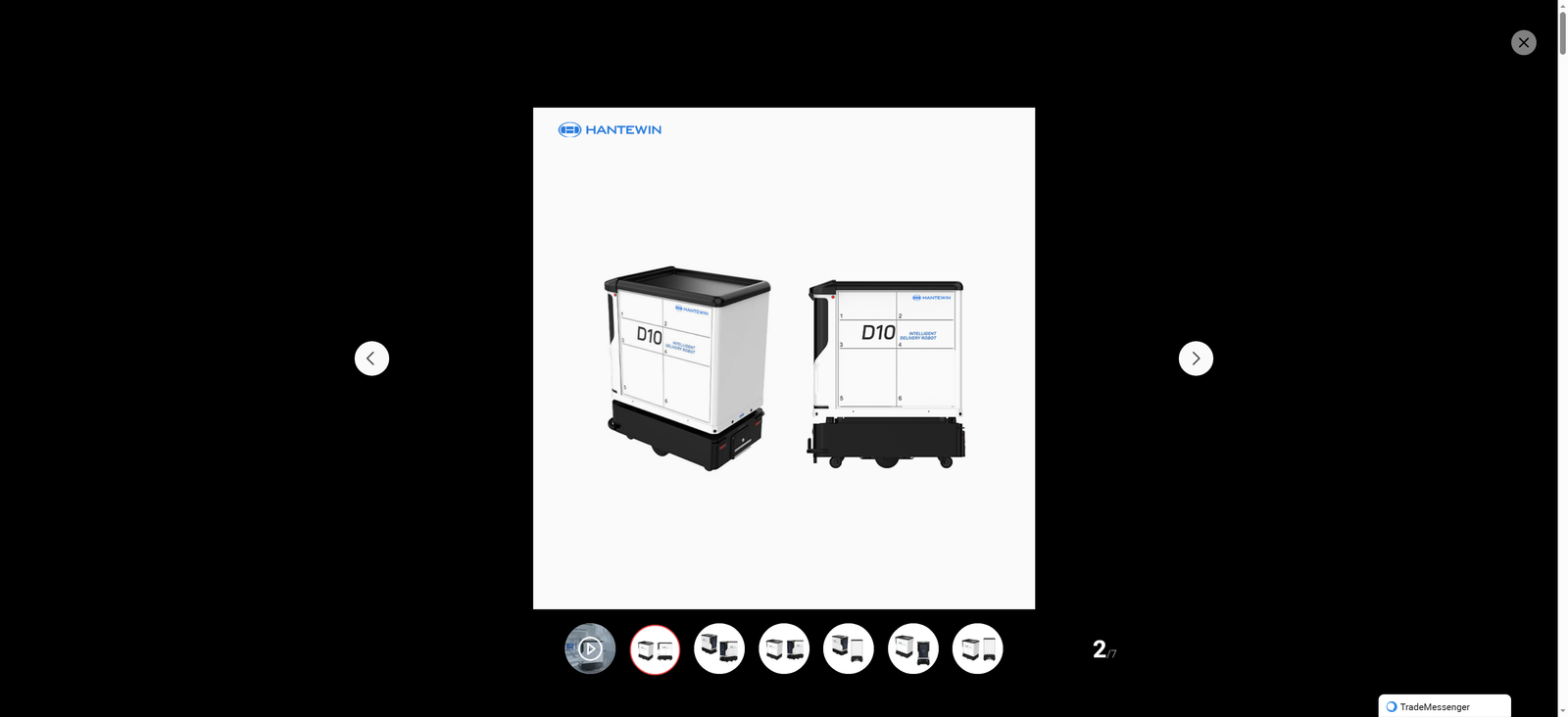
The hotel industry, as a benchmark for service quality, has always pursued the balance between service efficiency and customer experience. Traditional food delivery services in hotels often rely on manual work, which is prone to problems such as long waiting time, wrong delivery, and inconsistent service standards—especially during peak hours, such as breakfast buffets, lunch and dinner rush, or when customers need in-room dining service at night. The high automatic smart intelligent delivery robot perfectly solves these pain points. Equipped with high-precision SLAM navigation and multi-sensor fusion technology, the robot can accurately map the hotel's layout, including corridors, elevators, and guest rooms, and automatically avoid obstacles such as pedestrians, luggage carts, and cleaning tools. It can take the elevator independently through intelligent interconnection with the hotel's elevator system, and accurately reach the designated guest room door.
For hotel guests, the robot delivery service brings a more private and convenient experience. When customers place an order through the hotel's APP or room service phone, the robot will receive the order information in real time, go to the restaurant to pick up the meals, and then deliver them to the door. The whole process is fully automatic without manual intervention, which not only avoids the embarrassment of face-to-face communication when customers are in a hurry or resting, but also ensures the timeliness of meal delivery—generally, the delivery time can be shortened by 30% compared with manual delivery. In addition, the robot's food compartment is designed with heat preservation and anti-spill functions, which can maintain the temperature and taste of the food, ensuring that customers can enjoy delicious meals just like they are served in the restaurant. For hotel operators, the application of delivery robots can greatly reduce labor costs. A single robot can replace 2-3 manual waiters, and can work 24 hours a day without rest, which significantly improves the service capacity and operational efficiency of the hotel. At the same time, the robot can record order data, customer preferences and other information in real time, providing data support for the hotel's refined operation and personalized service.
Compared with hotels, hospitals have more rigid requirements for food and meal delivery services—hygiene, accuracy and timeliness are directly related to the recovery of patients. In hospitals, the traditional meal delivery mode is mostly completed by nurses or logistics staff, which not only increases their workload, but also has the risk of cross-infection. High automatic smart intelligent delivery robots have become a "health guardian" in hospitals with their advantages of zero contact, high hygiene and high accuracy. First of all, the robot's body is made of food-grade and antibacterial materials, which can be automatically disinfected regularly through ultraviolet rays or disinfectant sprays, avoiding the spread of bacteria and viruses during the delivery process. Secondly, the robot can realize "one-to-one" accurate delivery. By binding the patient's bed number, medical record number and other information, it can accurately deliver the personalized meals prepared by the hospital canteen (such as liquid food for patients with dysphagia, low-salt and low-fat meals for patients with hypertension) to the bedside of the designated patient, avoiding the mistake of meal delivery. For patients who are inconvenient to move, the robot can also realize automatic meal taking and recycling, reducing the dependence on medical staff and family members.
In addition, hospitals have complex environments with many people, medical equipment and emergency situations. The high automatic smart intelligent delivery robot has strong environmental adaptability. It can quickly respond to sudden obstacles (such as stretchers, wheelchairs) and automatically adjust the route to ensure the smooth progress of meal delivery. At the same time, the robot can be interconnected with the hospital's information system, and timely feedback the meal delivery status to the nurse station, so that medical staff can grasp the patient's dining situation in real time, which is conducive to formulating a more scientific rehabilitation plan. Especially during the epidemic period, the zero-contact delivery service of robots has played a vital role in reducing cross-infection, protecting the health of medical staff and patients, and ensuring the normal operation of hospital services.
The strong performance of high automatic smart intelligent delivery robots in hotels and hospitals is inseparable from the support of core technologies. On the one hand, the improvement of autonomous navigation technology—from traditional laser navigation to visual navigation, ultrasonic navigation and multi-mode fusion navigation—enables the robot to adapt to more complex indoor environments and realize more accurate positioning. On the other hand, the development of artificial intelligence and Internet of Things technology makes the robot have stronger intelligent decision-making ability. It can automatically adjust the delivery order according to the priority of orders, optimize the delivery route in real time, and even interact with customers through voice recognition and synthesis technology (such as reminding customers to take meals, answering simple questions). In addition, the optimization of the robot's mechanical structure makes its load capacity, movement stability and battery life continuously improved—generally, a single charge can support 8-12 hours of continuous work, which fully meets the needs of long-term service in hotels and hospitals.
Looking to the future, high automatic smart intelligent delivery robots will have a broader development space in the fields of hotels and hospitals. With the deep integration of 5G, big data and artificial intelligence technology, the functions of delivery robots will be more diversified. For example, in hotels, robots can not only deliver meals, but also undertake the work of delivering luggage, laundry, newspapers and periodicals; in hospitals, they can also assist in delivering medical supplies (such as medicines, medical devices) and recycling medical waste. At the same time, the appearance design of the robot will be more in line with the scene style—hotel robots can be designed to be more fashionable and elegant, while hospital robots can be more warm and friendly to reduce the fear of patients. In addition, the cost of robots will be further reduced with the maturity of the industrial chain, making more hotels and hospitals able to afford and use this intelligent equipment.
In conclusion, high automatic smart intelligent delivery robots are not only a product of technological progress, but also a new force promoting the transformation and upgrading of hotel and hospital services. They solve the pain points of traditional manual delivery in efficiency, hygiene, accuracy and cost, and bring a better experience to customers and patients. With the continuous innovation of technology and the continuous expansion of application scenarios, these intelligent robots will become an indispensable part of modern hotel and hospital service systems, contributing more to the improvement of service quality and operational efficiency.