
The Rise of Autonomous Delivery Robots: Transforming Food and Parcel Logistics
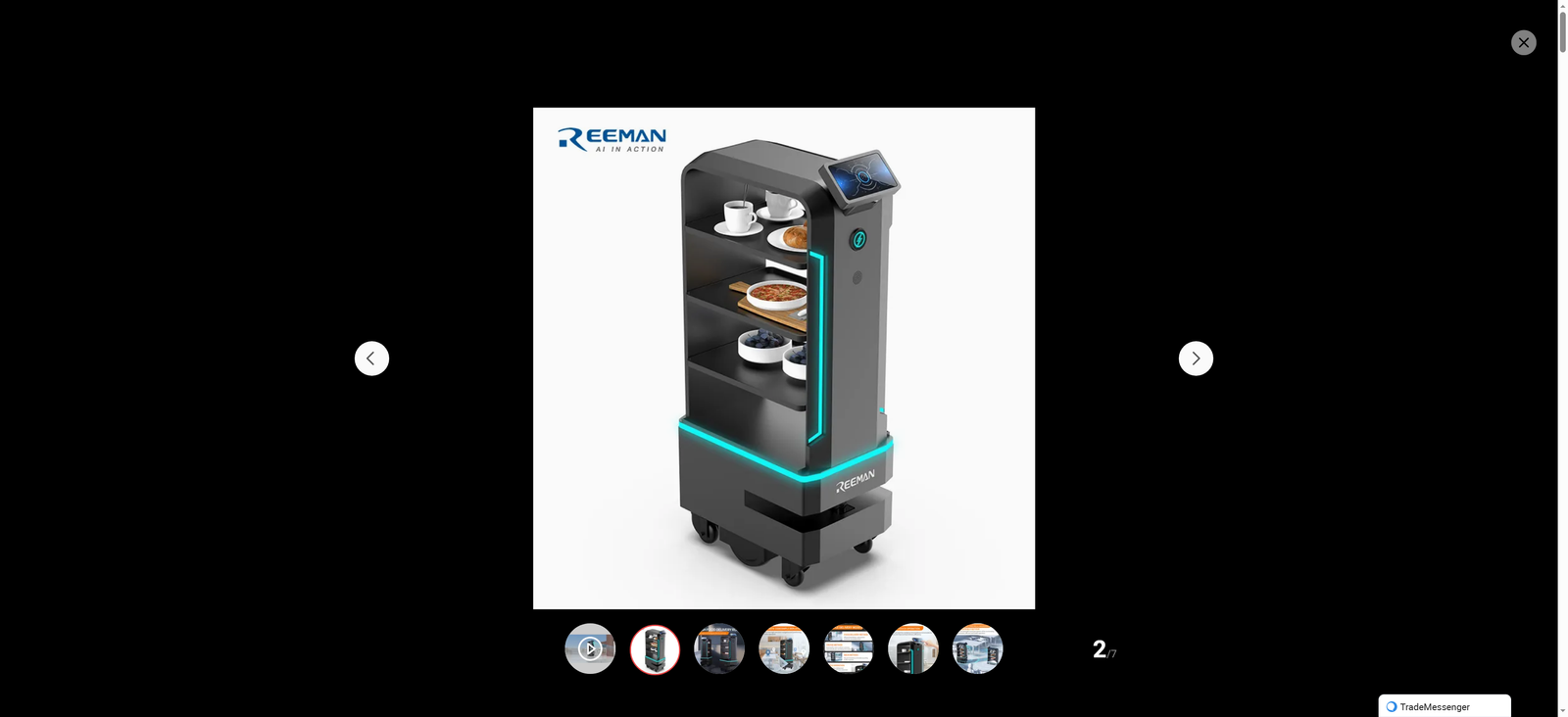
In an era defined by speed, convenience, and technological innovation, the logistics and food service industries are undergoing a profound transformation driven by autonomous technology. Terms like Food Delivery Robot, Autonomous Food Delivery Robot, Robot for Food Delivery, Delivery Food Robot, Food Delivery Robot Car, and Parcel Delivery Robot are no longer futuristic concepts—they have become integral parts of our daily lives, reshaping how we receive meals, packages, and essential goods. These intelligent machines are not just replacing manual delivery; they are redefining efficiency, safety, and accessibility in last-mile logistics.
At the core of this transformation lies the Autonomous Food Delivery Robot, a specialized machine designed to navigate urban and indoor environments independently, delivering meals from restaurants, cafes, and commercial kitchens to customers’ doorsteps or designated pickup points. Unlike traditional delivery methods that rely on human riders or drivers, these robots leverage advanced technologies such as artificial intelligence (AI), machine learning, computer vision, and GPS navigation to move seamlessly without human intervention. Whether it’s a hot bowl of noodles, a fresh salad, or a cup of coffee, the Robot for Food Delivery ensures that orders arrive promptly, intact, and at the optimal temperature—addressing two of the biggest pain points in food delivery: delay and quality degradation.
A key variant of this technology is the Food Delivery Robot Car, a larger, vehicle-like autonomous robot built to handle higher payloads and navigate complex outdoor environments, including city streets, residential areas, and industrial parks. Unlike smaller indoor or sidewalk robots, these robot cars are equipped with robust sensors, long-range navigation systems, and weather-resistant designs, making them suitable for delivering multiple food orders at once or even combining food delivery with small parcel drop-offs. For example, in busy urban centers where traffic congestion often slows down traditional delivery vehicles, Food Delivery Robot Cars can take advantage of dedicated lanes or navigate narrow streets more efficiently, cutting delivery times by 30% or more in some cases. Their ability to operate 24/7 without rest also means that late-night food cravings or emergency meal orders can be fulfilled with unprecedented speed.
While food delivery robots have gained widespread attention, the Parcel Delivery Robot is another critical player in the autonomous delivery ecosystem, addressing the growing demand for fast, reliable package delivery driven by the boom in e-commerce. These robots are engineered to handle a variety of parcel sizes, from small envelopes and electronics to medium-sized boxes, delivering them to homes, offices, and locker stations with precision. Like their food-focused counterparts, Parcel Delivery Robots use AI and computer vision to avoid obstacles, recognize addresses, and even interact with access control systems—such as opening building doors or accessing apartment lobbies—further streamlining the delivery process. In areas where door-to-door human delivery is costly or inefficient, these robots offer a cost-effective alternative, reducing logistics expenses for e-commerce companies while improving customer satisfaction with faster, more transparent delivery tracking.
The widespread adoption of these delivery robots—whether Food Delivery Robots, Autonomous Food Delivery Robots, or Parcel Delivery Robots—is fueled by a confluence of factors. First, advancements in AI and sensor technology have made these robots more reliable and affordable, with improved navigation capabilities that allow them to handle dynamic environments, such as crowded sidewalks, pedestrian crossings, and unexpected obstacles. Second, the rising cost of human labor in logistics and food service has pushed businesses to adopt automated solutions to reduce operational costs; a single Food Delivery Robot can replace 2-3 human delivery workers in terms of daily workload, saving businesses thousands of dollars in monthly labor expenses. Third, changing consumer expectations—particularly among younger generations—for instant, contactless service have accelerated the demand for autonomous delivery options, especially in the wake of global health concerns that highlighted the need for minimal human interaction.
The applications of these robots extend far beyond residential delivery. In commercial settings, such as office parks, universities, hospitals, and shopping malls, Delivery Food Robots are used to deliver meals to employees, students, patients, and shoppers, reducing the need for on-site delivery staff and freeing up human workers to focus on more value-added tasks. For example, in large hospitals, these robots can deliver meals to patient rooms without disrupting medical staff, while in universities, they can navigate campus grounds to deliver food to students in dormitories or lecture halls. Parcel Delivery Robots, meanwhile, are increasingly used in industrial parks to transport small parts between warehouses or in residential communities to deliver online shopping orders, reducing the burden on postal services and courier companies.
Despite their rapid growth, the adoption of Food Delivery Robot Cars, Autonomous Food Delivery Robots, and Parcel Delivery Robots is not without challenges. Regulatory hurdles—such as unclear laws governing autonomous robots on public streets and sidewalks—remain a barrier in many regions. Additionally, technical limitations, such as limited battery life (though many robots now offer 10-12 hours of continuous operation) and difficulty navigating extreme weather conditions, need to be addressed to ensure widespread usability. There are also concerns about job displacement, though proponents argue that these robots will create new jobs in robot maintenance, programming, and fleet management, while shifting human workers to roles that require creativity and human interaction.
Looking ahead, the future of autonomous delivery robots is bright. As technology continues to advance, we can expect to see more sophisticated robots with improved navigation, longer battery life, and greater payload capacity. The line between Food Delivery Robots and Parcel Delivery Robots may also blur, with multi-purpose autonomous robots capable of handling both food and parcel delivery, further optimizing logistics efficiency. Additionally, the integration of 5G technology will enable real-time data transmission, allowing robots to communicate with each other and with central systems to avoid congestion and optimize delivery routes. According to industry forecasts, the global market for autonomous delivery robots is expected to grow exponentially in the coming years, with the food and parcel delivery segments leading this expansion—driven by increasing demand for convenience, cost savings, and sustainable logistics solutions (many robots are electric, reducing carbon emissions compared to traditional delivery vehicles).
In conclusion, Food Delivery Robots, Autonomous Food Delivery Robots, Robots for Food Delivery, Delivery Food Robots, Food Delivery Robot Cars, and Parcel Delivery Robots are revolutionizing the way we receive goods and meals. These intelligent machines are not just a trend; they are a permanent fixture in the future of logistics, offering a more efficient, cost-effective, and convenient alternative to traditional delivery methods. As regulatory frameworks evolve and technology advances, these robots will become even more integrated into our daily lives, transforming cities into smarter, more connected spaces where delivery is fast, reliable, and hassle-free. Whether you’re waiting for a hot meal or a long-awaited package, the future of delivery is autonomous—and it’s already here.