
Fast-Speed, Quick-Response & Time-Saving Delivery Robot: Redefine Efficient Logistics
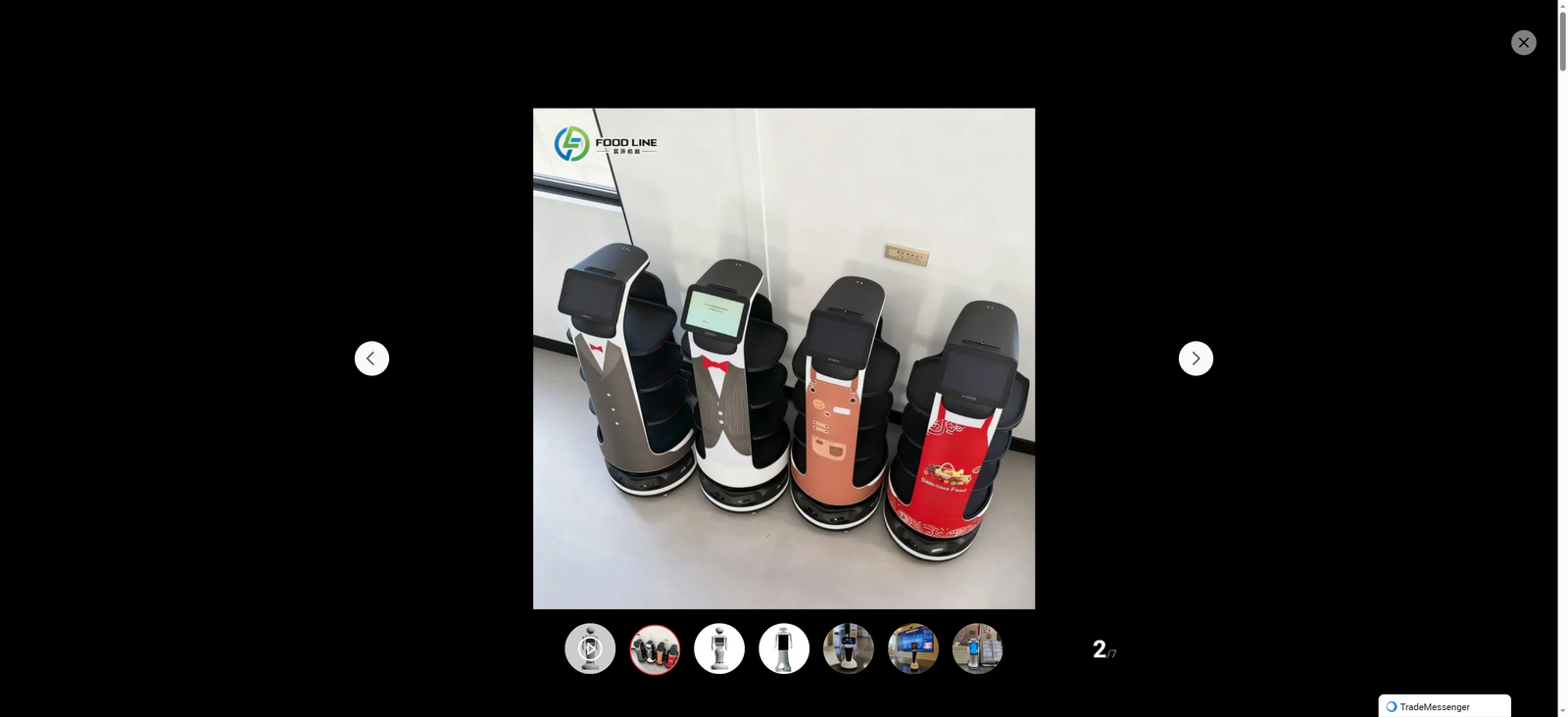
In the era of intelligent logistics upgrading, the demand for efficient, accurate and cost-effective delivery solutions is soaring across industries. As a core carrier breaking the bottleneck of "last-mile" delivery, the fast-speed, quick-response and time-saving delivery robot has emerged as a game-changer, reshaping the operational logic of logistics services with cutting-edge technology and practical value. It perfectly addresses the pain points of traditional manual delivery such as low efficiency, high labor costs and poor timeliness, injecting strong momentum into the digital transformation of enterprises.
Fast-Speed Operation: Break Through Time Limits for Efficient Delivery
Speed is the core competitiveness of modern logistics, and the fast-speed delivery robot is designed to maximize delivery efficiency. Equipped with high-performance brushless motors and electronic control systems, the robot achieves smooth speed regulation and stable operation, with a maximum speed of 5-15 km/h that balances safety and efficiency, perfectly adapting to semi-closed scenarios such as industrial parks, office buildings, hospitals and communities, as well as urban slow lanes . Compared with traditional manual delivery, which is limited by physical strength and speed, this robot can maintain a constant high-speed operation throughout the process, reducing the average single-delivery time by 40% or more.
In addition, the robot supports 24-hour uninterrupted work without the need for rest, meal breaks or overtime pay, which greatly improves the daily delivery volume. For example, in a large industrial park, a single fast-speed delivery robot can complete the transfer of office supplies and spare parts between 10 workshops within 8 hours, a workload that would require 3-5 manual workers . This efficient operation mode not only shortens the delivery cycle but also helps enterprises accelerate the turnover of goods and improve overall operational efficiency.
Quick-Response System: Smart Decision-Making for Complex Scenarios
The quick-response capability of the delivery robot lies in its advanced perception, decision-making and execution system integration. The perception layer adopts a multi-sensor fusion scheme, including laser radar, stereo vision cameras and inertial measurement units, to build a 360-degree all-round detection network . With SLAM (Simultaneous Localization and Mapping) technology, it can quickly generate high-precision environmental models, realize centimeter-level positioning, and accurately identify obstacles such as pedestrians, vehicles and temporary roadblocks, even in crowded or complex weather conditions.
The core decision-making system relies on deep learning algorithms to dynamically plan the optimal path, with a response delay of less than 200ms for sudden situations such as pedestrian avoidance and route adjustment . It can predict the movement trajectory of surrounding objects in real time, make intelligent judgments on overtaking, waiting or detouring, ensuring the smooth progress of delivery tasks. In medical scenarios, this quick-response capability is particularly critical: when emergency drugs need to be transferred, the robot can immediately adjust its route according to the latest instructions, avoid obstacles flexibly, and deliver the drugs to the target ward in the shortest time, winning valuable time for medical treatment .
Moreover, the robot supports 5G and V2X communication, realizing real-time connection with the cloud scheduling platform. The background can issue tasks remotely, and the robot can respond instantly, realizing centralized management and flexible scheduling of multiple robots. This interactive response mode makes the entire delivery network more agile and efficient, capable of quickly adapting to changes in order volume and task priorities.
Time-Saving Value: Comprehensive Cost Reduction for Enterprises
The ultimate goal of fast-speed and quick-response performance is to create time-saving value for enterprises, which is reflected in both direct efficiency improvement and indirect cost reduction. In terms of human cost saving, one delivery robot can replace 3-5 manual delivery personnel, saving an annual labor cost of over 300,000 RMB for enterprises, with an investment return cycle of only 8 months . For logistics-intensive industries such as e-commerce, medicine and retail, this cost reduction effect is particularly significant.
In terms of operational efficiency optimization, the robot's high accuracy and stability reduce the error rate of delivery from 3% in manual operations to 0.1% or lower . It avoids delays and losses caused by human factors such as wrong delivery, missing delivery and overtime delivery, saving the time and cost of rework and compensation. In the drug distribution business of Shaanxi Bo'ai Hengye Pharmaceutical Group, the introduction of intelligent delivery robots has realized full coverage of chain stores in the urban area, and the "one-click drug adjustment" function has greatly shortened the drug replenishment cycle, ensuring the timeliness of drug supply for each store .
Furthermore, the robot's time-saving advantage helps enterprises optimize the overall logistics process. By reducing the delivery time of the last mile, it shortens the entire supply chain cycle, enabling enterprises to respond faster to market demand. For example, in the instant retail industry, fast delivery robots can deliver fresh food and daily necessities to customers within the promised time, improving customer satisfaction and brand reputation.
Widely Adaptable Scenarios: Unlock Diversified Application Value
With its excellent fast-speed, quick-response and time-saving characteristics, the delivery robot has been widely applied in multiple fields, creating customized solutions for different industries. In industrial parks and logistics warehouses, it undertakes the batch distribution of goods, spare parts and documents, reducing the workload of manual handling and improving the efficiency of internal material circulation.
In hospitals, the robot with sterile design can safely transfer drugs, samples and medical supplies, avoiding cross-infection risks caused by manual handling, while its quick response ensures the timeliness of emergency material delivery . In commercial complexes and communities, it provides door-to-door delivery services for takeout, fresh food and express packages, solving the problem of low efficiency and easy backlog in terminal delivery.
In the context of the rapid development of the unmanned delivery industry, which is expected to reach a market size of over 30 billion yuan by 2030 , the fast-speed, quick-response and time-saving delivery robot will usher in broader development space. It is not only a tool to improve delivery efficiency but also a core component of the future intelligent supply chain, helping enterprises build a more efficient, intelligent and cost-effective logistics system.
Conclusion
The fast-speed, quick-response and time-saving delivery robot represents the development trend of modern logistics intelligence. By integrating advanced technology and practical needs, it breaks the limitations of traditional delivery modes, realizes the dual improvement of efficiency and cost reduction for enterprises, and provides strong support for the digital transformation of various industries. In the future, with the continuous optimization of technology and the expansion of application scenarios, this robot will play a more important role in the intelligent logistics ecosystem, helping enterprises seize new opportunities in the era of efficiency competition.