
In the current era of rapid development of intelligent technology, the hotel industry is undergoing a profound transformation towards automation and intelligence. Among the various intelligent equipment emerging in the market, the factory price hotel obstacle avoidance goods delivery robot waiter with automatic guiding function has become a new favorite of hoteliers. It not only breaks through the limitations of traditional manual services but also brings cost-saving and efficiency-enhancing solutions to hotels while improving the overall service experience of guests. This article will deeply explore the core value and application prospects of this intelligent service robot.
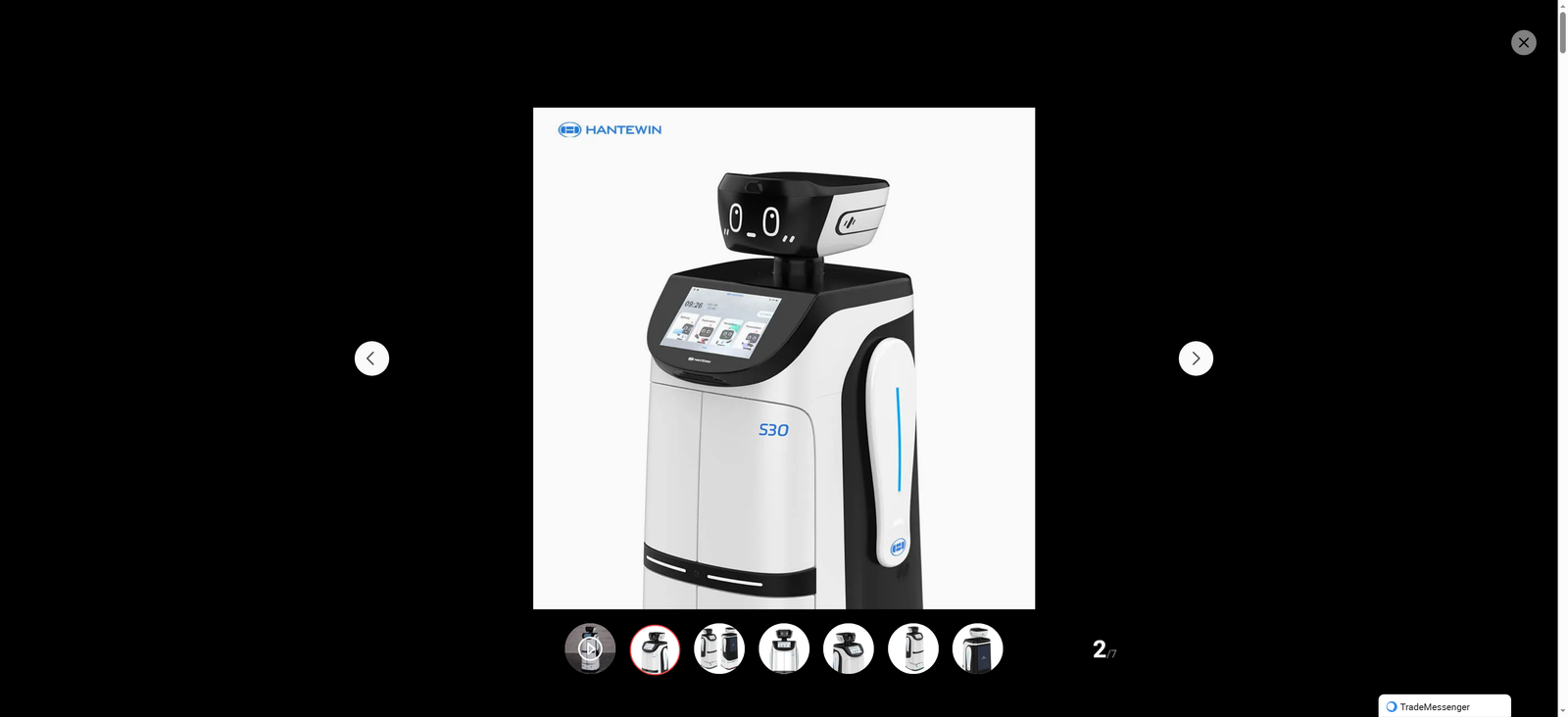
The most prominent advantage of the factory price hotel obstacle avoidance goods delivery robot is its high cost performance brought by the factory direct sales model. For hotel operators, cost control has always been a key link in daily management. Compared with the high investment in traditional intelligent equipment, the factory price positioning of this delivery robot greatly reduces the threshold for hotels to introduce intelligent equipment. Without bearing the additional costs of intermediate agents and distributors, hotels can directly obtain high-quality intelligent service equipment at a more favorable price. This cost advantage is particularly important for mid-to-low-end hotels and chain hotels that pursue cost-effectiveness, allowing them to also enjoy the dividends of intelligent transformation and realize the upgrading of service quality without excessive capital pressure.
Obstacle avoidance capability is the core technical support for the stable operation of the hotel delivery robot. In the complex environment of hotels, there are often dynamic obstacles such as pedestrians, cleaning carts, and luggage carts, as well as static obstacles such as pillars, flowerpots, and elevator doors. The hotel obstacle avoidance goods delivery robot is equipped with advanced sensor technology and intelligent algorithm, which can accurately perceive the surrounding environment in real time. When encountering obstacles, it can quickly make judgments and adjust the movement route, ensuring the safe and smooth completion of the delivery task. Whether it is moving in the narrow corridor, taking the elevator independently, or avoiding the sudden appearance of guests, the robot can handle it with ease, which effectively solves the problem of low efficiency and potential safety hazards of manual delivery in complex environments.
The automatic guiding and goods delivery functions of the robot have significantly improved the efficiency of hotel services. In traditional hotels, guests need to call the front desk when they need items such as towels, mineral water, and toiletries, and then the hotel staff will deliver them manually. This process often takes a long time, which may affect the guest's experience. The automatic guiding service robot can realize automatic navigation to the door of the guest's room through the pre-input hotel map. Guests only need to place an order through the mobile app or the in-room control panel, and the robot will quickly take the goods from the storage area and deliver them to the designated room. After the delivery is completed, it can automatically return to the charging station for charging, waiting for the next task. This one-stop automatic service model not only shortens the delivery time but also reduces the workload of the hotel staff, allowing them to focus more on providing higher-value services such as guest reception and consulting, thereby improving the overall service quality of the hotel.
In addition to improving service efficiency and reducing costs, the hotel obstacle avoidance goods delivery robot also brings a novel and interesting experience to guests. For many guests, especially young people who are keen on new technologies, interacting with intelligent robots is a unique travel experience. The robot's friendly voice broadcast, intelligent interaction functions, and cute appearance can leave a deep impression on guests, enhance the fun and sense of technology of the hotel stay, and help the hotel form a unique competitive advantage. At the same time, the use of robots also reduces direct contact between people, which is more in line with the health and safety needs of guests in the post-epidemic era, further improving the guest's sense of trust in the hotel.
Looking to the future, with the continuous advancement of intelligent technology and the gradual reduction of production costs, the factory price hotel obstacle avoidance goods delivery robot waiter will have a wider application prospect in the hotel industry. It is not only limited to goods delivery but also can be further developed into a multi-functional service robot that integrates functions such as room guidance, information consultation, and laundry delivery. With its high cost performance, stable obstacle avoidance capability, and efficient automatic service, it will become an indispensable part of the intelligent transformation of the hotel industry, helping hotels achieve a win-win situation of cost reduction, efficiency improvement, and service upgrading.
In conclusion, the factory price hotel obstacle avoidance goods delivery robot waiter with automatic guiding function is a powerful tool for the hotel industry to adapt to the trend of intelligent development. It not only solves the practical problems of high cost and low efficiency in traditional hotel services but also brings a new service experience to guests. For hotel operators who want to realize intelligent transformation and enhance core competitiveness, introducing such high-cost-performance intelligent robots is undoubtedly a wise choice.