
Dining with The Automatic Intelligent Waiter Service Food Delivery Robot in Hotel and Restaurant
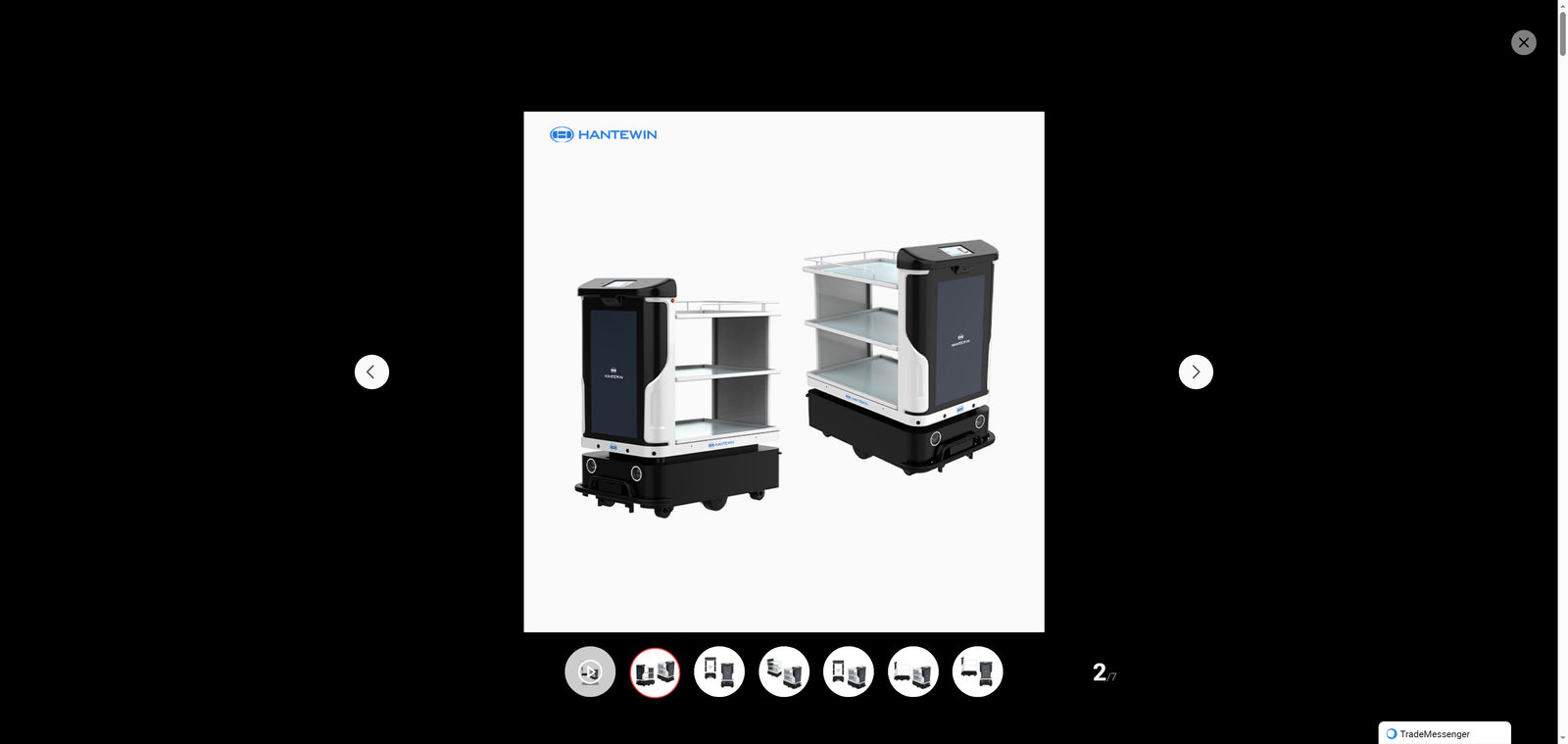
In the era of rapid technological evolution, the catering and hotel industries are undergoing a profound transformation driven by intelligence. Among the various innovative technologies, the automatic intelligent waiter service food delivery robot has emerged as a game-changer, redefining the dining experience for guests and reshaping the operational mode of hotels and restaurants. No longer confined to the realm of science fiction, these robots have stepped into real dining scenes, serving as reliable "waiters" that combine efficiency, accuracy and warmth. Dining with such intelligent robots is no longer a novel experiment but a common and pleasant experience that blends technology with humanistic care.
The integration of automatic intelligent food delivery robots into hotels and restaurants is first and foremost a powerful boost to operational efficiency. In traditional dining scenarios, waiters often face heavy workloads, especially during peak hours—they need to take orders, deliver dishes, clear tables and respond to guests' requests simultaneously, which easily leads to delays in service, wrong dish delivery and other problems. However, intelligent food delivery robots have perfectly solved these pain points. Equipped with advanced sensors, navigation systems and AI algorithms, they can accurately identify the dining area, table number and path, avoiding obstacles such as guests and furniture with ease. After the kitchen prepares the dishes, the robot can quickly receive the task, take the dishes and deliver them to the designated table in the shortest time. Unlike human waiters, robots do not need to rest, do not feel tired, and can maintain a stable service quality 24 hours a day. This not only reduces the workload of the service staff, allowing them to focus more on providing personalized services such as explaining dishes and responding to special needs, but also shortens the guests' waiting time for dishes, improving the overall dining efficiency and guest satisfaction.
Beyond efficiency, intelligent food delivery robots also bring a new and interesting dining experience to guests, adding a unique technological charm to hotels and restaurants. For most guests, interacting with a food delivery robot is a fresh and interesting thing. When the robot glides smoothly to the table with a smiley face on the screen, sends out a gentle reminder of "your dishes are here", and even responds to simple greetings from guests, it often attracts the attention and laughter of everyone at the table. For families with children, robots are even more popular—children will be curious about the robot's appearance and functions, and the process of waiting for dishes becomes full of fun. Hotels and restaurants can also customize the robot's appearance, voice and interaction mode according to their own positioning and style. For example, a themed hotel can design the robot into a shape consistent with the theme, and a high-end restaurant can set the robot's voice to be elegant and gentle, making the robot not only a service tool but also a part of the dining environment decoration and experience. This unique technological experience not only enhances the guest's memory of the restaurant or hotel but also becomes a new highlight for the merchant to attract customers and promote word-of-mouth.
In addition to improving efficiency and enhancing experience, intelligent food delivery robots also play an important role in ensuring food safety and standardized service. In the process of food delivery, human waiters may accidentally touch the food, or cause cross-contamination due to improper hand hygiene. However, food delivery robots adopt a closed food delivery compartment, which can effectively isolate the food from the external environment, avoiding contact pollution. At the same time, the robot's service process is fully standardized—from receiving dishes to delivering them to the table, every step is executed according to the preset program, without being affected by subjective factors such as mood and fatigue. This ensures that every guest can enjoy the same quality of service and food delivery experience, avoiding service deviations caused by human factors. For hotels and restaurants, the use of robots also helps to realize the digital management of the service process—managers can monitor the robot's working status, task completion and other data in real time through the background system, understand the operation of the dining area, and make more scientific management decisions.
Of course, the popularity of automatic intelligent food delivery robots does not mean that human waiters will be replaced. On the contrary, robots and human services complement each other, creating a more perfect dining service system. Robots are good at undertaking repetitive, tedious and heavy physical work such as food delivery and table clearing, while human waiters are better at providing emotional and personalized services—such as communicating with guests, understanding their dining preferences, recommending suitable dishes, and handling unexpected situations. For example, when a guest has a special dietary need such as allergy to certain ingredients, a human waiter can timely communicate with the kitchen to make adjustments; when a guest is in a bad mood, a warm greeting and care from a waiter can bring more comfort than the robot's programmed words. Therefore, the combination of robot services and human services can maximize the advantages of both, meeting the guests' needs for efficiency and emotional experience at the same time.
Looking to the future, with the continuous progress of AI, sensor and other technologies, automatic intelligent waiter service food delivery robots will have more powerful functions and broader application prospects in hotels and restaurants. In the future, robots may be able to realize more complex interactions, such as understanding the guests' language more accurately, remembering their dining habits, and even helping guests take orders independently. They may also be integrated with other intelligent systems in hotels and restaurants, such as intelligent ordering systems and intelligent payment systems, forming a full-link intelligent dining service chain. At the same time, the appearance design of robots will be more humanized and diversified, and the service process will be more flexible and warm, making them truly become "intelligent partners" in the dining scene rather than cold machines.
Dining with automatic intelligent waiter service food delivery robots in hotels and restaurants is not only a reflection of technological progress but also a manifestation of the catering industry's pursuit of better service quality. These intelligent robots bring efficiency, safety and fun to the dining experience, and at the same time, they let us see the infinite possibilities of the integration of technology and catering. As technology continues to evolve, we have reason to believe that the combination of robots and human services will create a more comfortable, efficient and pleasant dining environment for us, leading the catering and hotel industries into a new era of intelligence.