
Designed for Indoor Cleaning, Intelligent Obstacle Recognition Corner Cleaning Robot: Redefine Your Indoor Cleanliness Experience
In the era of smart homes, indoor cleaning has evolved from a tedious chore into a convenient and efficient experience, thanks to the rapid advancement of artificial intelligence and IoT technologies. Among the various smart cleaning devices, the indoor cleaning robot specially designed for corner cleaning, equipped with intelligent obstacle recognition, stands out as a game-changer. It targets the long-standing pain point of hard-to-clean corners and edges in homes and commercial spaces, combining precise cleaning capabilities with smart obstacle avoidance to deliver a thorough, hassle-free cleaning solution that meets the growing demand for high-quality living and working environments.
Corners and baseboards in indoor spaces have always been the most challenging areas for traditional cleaning methods. Dust, crumbs, pet hair, and fine debris tend to accumulate in these gaps, as brooms, mops, and even ordinary cleaning robots often fail to reach them effectively—or risk colliding with furniture and causing damage when attempting to do so. Recognizing this gap, the intelligent obstacle recognition corner cleaning robot is engineered with a focus on indoor scenarios, integrating cutting-edge technologies to tackle these stubborn dirty spots while navigating seamlessly through complex indoor environments.
The core advantage of this robot lies in its intelligent obstacle recognition technology, which elevates its performance far beyond that of conventional cleaning robots. Equipped with advanced 3D sensors, HD cameras with starlight sensors, and a powerful AI processor, the robot can quickly and accurately identify up to 18 different types of indoor obstacles, including furniture legs, socks, cables, floor mats, pets, and charging docks. Its specialized AI computing power is 16 times more powerful than previous generations, enabling faster and more precise recognition—even in low-light environments—and allowing the robot to adjust its cleaning path in real time. Unlike traditional robots that either get stuck or绕行 blindly, this intelligent robot can either bypass obstacles gently or temporarily move small, non-fragile items (with advanced models featuring flexible mechanical arms) to ensure unobstructed cleaning access, eliminating the need for manual intervention and avoiding scratches on furniture or damage to the robot itself.
Tailored specifically for indoor corner cleaning, the robot boasts a series of optimized designs to maximize cleaning coverage and efficiency in hard-to-reach areas. Its body is available in ergonomic D-shaped, square, or compact round designs, allowing it to fit tightly against walls and corners without leaving gaps. Equipped with extendable side brushes and adjustable mop pads (for 3-in-1 vacuum-mop models), it can sweep debris from corners and along baseboards into its suction path, while the extendable mop pads adapt to edges and turns for a more complete clean—whether on hard floors, carpets, or tile surfaces. The robot also features advanced edge cleaning systems, such as TrueEdge 3.0 technology, which enhances edge and corner cleaning precision, ensuring that dust and stains hidden in gaps are thoroughly removed. With strong suction power and optimized airflow systems, it can easily pick up allergens, pet hair, and large debris that accumulate in corners, while anti-tangle brushes prevent hair wrap and maintain consistent performance over time.
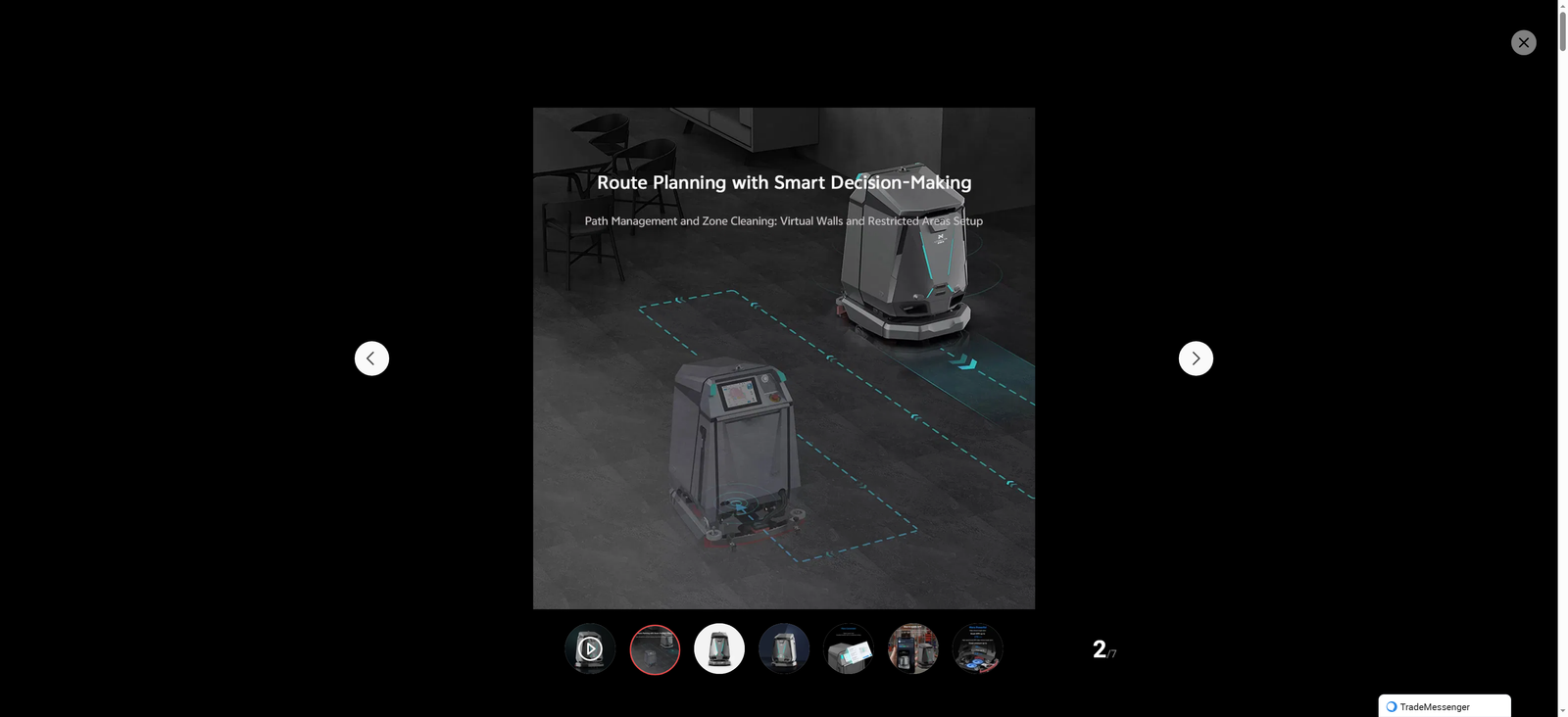
Beyond its core cleaning and obstacle recognition capabilities, the indoor intelligent corner cleaning robot is designed to integrate seamlessly into modern indoor lifestyles, offering user-friendly features that enhance convenience. It supports APP remote control and voice assistant integration, allowing users to start, pause, or schedule cleaning sessions from anywhere—even when away from home. Its smart navigation system, powered by LiDAR and SLAM technology, enables it to map the indoor space accurately, plan the most efficient cleaning path, and avoid repeated cleaning or missed spots. For large indoor spaces, the robot is equipped with long-lasting batteries (such as 6400mAh大容量电池) and fast charging technology, which can recharge 6% of its battery in just 3 minutes, ensuring uninterrupted cleaning without frequent charging stops. When the battery is low, it automatically returns to its charging station to recharge, ready for the next cleaning task.
The rise of this specialized cleaning robot is also closely aligned with the booming global smart home market. According to industry reports, the global cleaning robot market size is expected to reach 5 billion US dollars in 2025, with a compound annual growth rate exceeding 20%—driven by increasing consumer demand for convenience, efficiency, and high-quality cleaning solutions. Indoor spaces such as homes, offices, hotels, and shopping malls are the primary application scenarios for this robot: for families, it relieves the burden of manual cleaning, especially for dual-income households and pet owners; for commercial spaces, it reduces cleaning labor costs by up to 30% while improving cleaning quality and efficiency. In the high-end market, it caters to consumers’ pursuit of intelligent, personalized cleaning experiences, with features such as custom cleaning schedules, dirt detection (focusing more on heavily soiled corners), and multi-room cleaning planning.
As smart home technology continues to evolve, the indoor cleaning robot with intelligent obstacle recognition and corner cleaning capabilities is constantly upgrading to meet changing user needs. Future models will integrate more advanced AI technologies, such as GPT-powered smart brains, enabling them to learn user cleaning habits, identify more types of obstacles (up to 200 common indoor items), and provide personalized cleaning solutions based on different room types and dirt levels. The integration of dual mechanical arms will further enhance their versatility, allowing them to handle not only cleaning but also simple item organization, realizing a transformation from passive cleaning to active service. Additionally, green and energy-saving technologies will be incorporated, making the robot more environmentally friendly while maintaining high performance.
In conclusion, the indoor cleaning robot designed for corner cleaning with intelligent obstacle recognition is more than just a cleaning device—it is a smart companion that redefines indoor cleanliness. By addressing the pain points of traditional cleaning methods, combining precise corner cleaning with intelligent obstacle avoidance, and offering user-friendly, convenient features, it brings a more efficient, thorough, and hassle-free cleaning experience to homes and commercial spaces alike. As technology advances and market demand grows, this robot will undoubtedly become an indispensable part of the smart home ecosystem, leading the trend of indoor cleaning intelligence and helping people create a cleaner, healthier, and more comfortable living and working environment.