
The Rise of Restaurant Robots: Transforming Dining with Delivery and Service Innovations
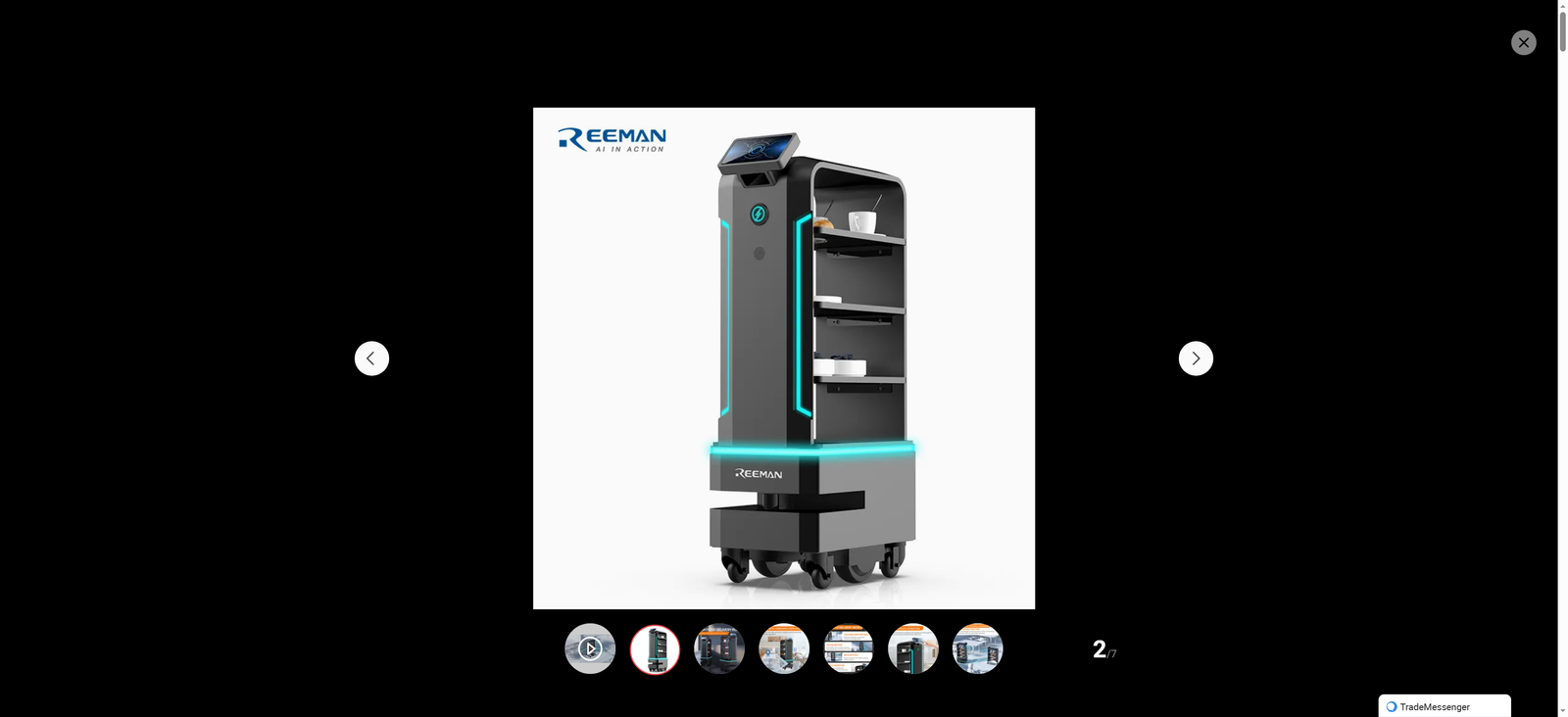
In the fast-paced world of hospitality, restaurants are constantly seeking ways to enhance efficiency, improve customer experiences, and reduce operational burdens. Enter the era of restaurant robots—specifically, delivery robot for restaurant, restaurant delivery robot, robot restaurant service, and serving robot restaurant solutions—that are reshaping how dining establishments operate. These intelligent machines are no longer just a novelty; they have become integral parts of modern restaurant service, bridging the gap between speed, consistency, and customer satisfaction.
A restaurant delivery robot, at its core, is designed to streamline the most repetitive and labor-intensive task in dining: moving food and beverages from the kitchen to the customer’s table. Unlike human staff who may face fatigue, delays, or distractions during peak hours, these robots operate with unmatched consistency and efficiency. Equipped with advanced simultaneous localization and mapping (SLAM) technology, high-precision sensors, and dynamic避障 capabilities, they can navigate crowded dining halls, narrow aisles, and unexpected obstacles with ease—reacting in as little as half a second to avoid collisions. Many models also support multi-point delivery, allowing them to serve multiple tables in a single trip, further boosting efficiency during busy periods.
Beyond delivery, robot restaurant service solutions encompass a wide range of functions that elevate the entire dining experience. Serving robot restaurant systems often include robots trained to handle迎宾领位,菜品推销, and even dish recycling—turning them into versatile assets for restaurant owners. For instance, some robots can stand at the restaurant entrance to greet customers, display menus, and guide guests to their seats by integrating with the restaurant’s ERP system to track table availability. Others are equipped with interactive screens and voice recognition, enabling them to promote signature dishes, share promotional offers, or even engage in simple, fun interactions like singing and dancing to entertain customers, especially families with children.
The benefits of adopting delivery robot for restaurant and serving robot restaurant technology extend to every stakeholder in the dining ecosystem. For restaurant owners, the most significant advantage is cost reduction: a single delivery robot can replace 2-3 human servers, working up to 16.5 hours a day without breaks, vacations, or salary increases, and saving an average of 8,000-12,000 yuan per month in labor costs. These robots also improve operational efficiency by reducing order delivery times, minimizing human errors like wrong orders, and increasing table turnover rates—especially when used for dish recycling, as they can collect 2,000-3,000 dirty plates per day, boosting cleaning efficiency by 300%. For staff, the robots alleviate the burden of repetitive, physically demanding tasks, reducing daily walking distance and the risk of injuries from carrying heavy trays, which in turn lowers employee turnover rates. For customers, the result is a faster, more seamless dining experience with shorter wait times, consistent service, and a touch of novelty that enhances satisfaction and encourages repeat visits.
Contrary to the misconception that robots will replace human staff, the rise of restaurant delivery robot and robot restaurant service systems is fostering a new era of human-robot collaboration. Rather than eliminating jobs, these robots are reshaping roles: human staff are freed from routine tasks to focus on high-value interactions, such as providing personalized recommendations, addressing customer complaints, and delivering the warm, empathetic service that machines cannot replicate. This collaboration also creates new job opportunities, including robot maintenance specialists, who oversee the robots’ daily operation, charging, and minor repairs, and data analysts who use robot-generated data to optimize restaurant operations.
The versatility of these robots makes them suitable for all types of dining establishments—from fast-food chains and casual eateries to high-end restaurants and large banquet halls. Global连锁 brands and local restaurants alike are adopting these technologies to stay competitive in an evolving market. For example, a well-known Chinese dumpling chain uses greeting robots to attract family customers, with each robot completing 220 interactions per day, including 140 dance performances, and saving 5,000 yuan per month in labor costs. In large theme park restaurants, delivery robots handle the overwhelming demand for dish recycling, ensuring the dining area remains clean and efficient even with thousands of daily customers.
As technology continues to advance, restaurant robots are becoming more intelligent and adaptable. Future models may integrate face recognition to offer personalized greetings, advanced AI to handle complex customer inquiries, and seamless integration with online ordering systems to provide end-to-end service from order placement to delivery. With declining costs and increasing accessibility, these robots are no longer limited to large chains—small and medium-sized restaurants are also starting to adopt them to level the playing field.
In conclusion, delivery robot for restaurant, restaurant delivery robot, robot restaurant service, and serving robot restaurant solutions are revolutionizing the hospitality industry. They are not just tools for efficiency but catalysts for innovation, enhancing customer experiences, reducing operational costs, and empowering human staff to deliver better service. As the dining industry continues to evolve, the integration of these intelligent robots will become increasingly widespread, marking a new chapter in the future of dining—one where technology and humanity work together to create memorable, efficient experiences for all.