
In the era of intelligent consumption, the hotel industry is undergoing a profound transformation from "traditional service" to "intelligent experience". As important carriers of this transformation, hotel delivery reception robots and service robots have gradually stepped out of the "technological display" stage and become indispensable members of the hotel service system. They take technology as the pen and service as the ink, redefining the efficiency, quality and personalization of hotel services, and bringing a new upgrade of experience for both hotels and guests.
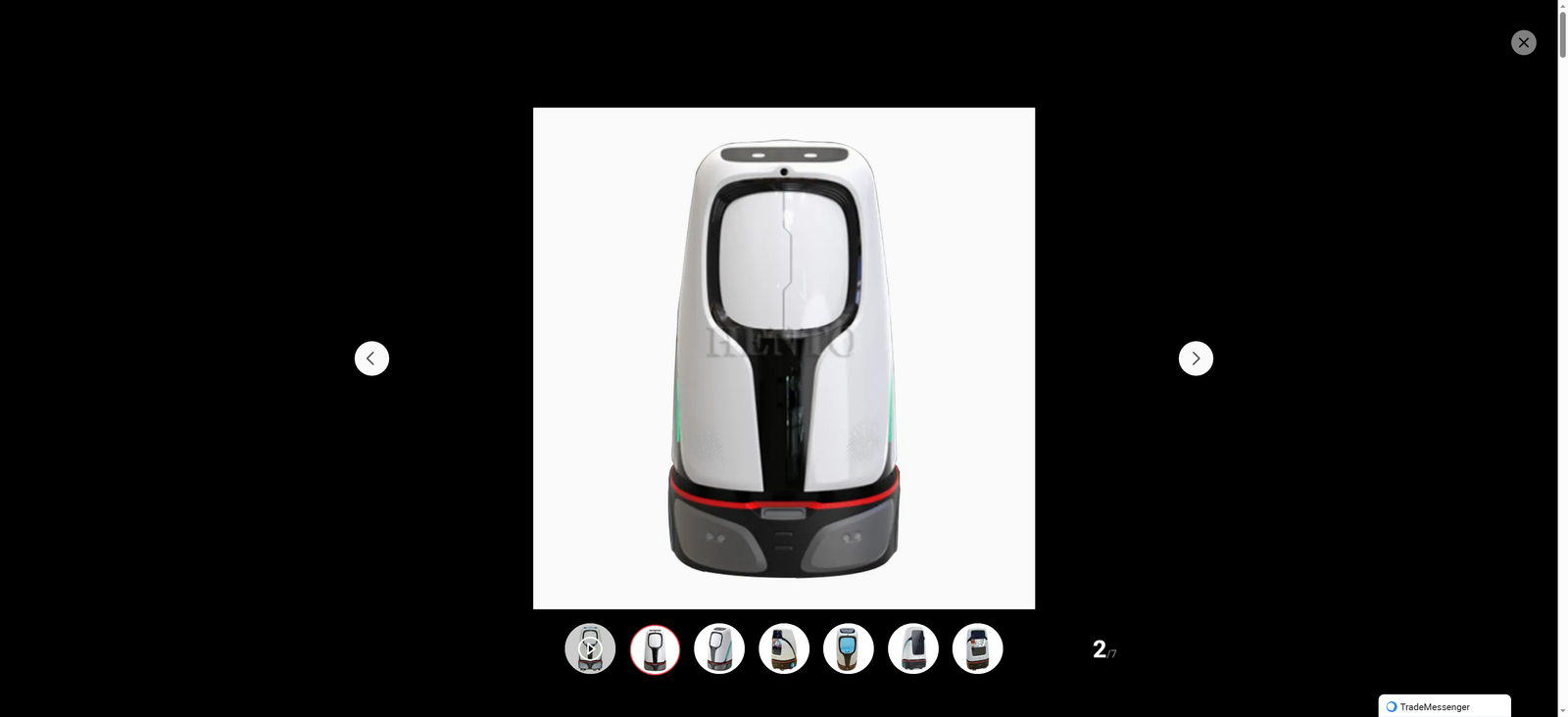
Hotel delivery reception robots, as the name suggests, integrate two core functions: "reception" and "delivery", which are precisely the two most frequent and basic links in hotel daily services. In the past, guests often needed to wait in line at the front desk to check in, or wait for room service staff to deliver toiletries, mineral water, meals and other items, which not only consumed the guests' time, but also brought great pressure to the hotel's human resource allocation. With the arrival of delivery reception robots, this pain point has been effectively solved.
At the reception link, the robot can complete a series of standardized operations independently, such as identity verification, room card issuance, and travel guidance. Equipped with advanced face recognition technology and intelligent voice interaction system, the robot can quickly identify the guest's identity information, connect with the hotel's PMS system in real time, and complete the check-in procedure in 30 seconds, which is far more efficient than manual operation. At the same time, the robot can answer the guest's common questions in a friendly manner, such as the location of the restaurant, the opening hours of the gym, and the way to use the electrical appliances in the room. Its standardized and patient response avoids the deviation of information caused by the difference of manual service level, and ensures that every guest can get consistent high-quality service at the first time of check-in.
In the delivery link, the hotel service robot shows strong practical value. Guests only need to place an order through the room control panel, WeChat mini program or phone, and the robot can receive the order immediately and start the delivery task. With the help of high-precision navigation and obstacle avoidance system, the robot can accurately identify the elevator, door and other facilities, automatically call the elevator, avoid pedestrians and obstacles, and send the items to the door of the guest's room accurately. During the delivery process, the robot will send a reminder message to the guest through voice or SMS, and after the guest takes the items, it will automatically return to the charging station to wait for the next task. This whole-process unmanned operation not only saves the hotel's labor cost, but also avoids the embarrassment caused by the contact between service staff and guests, especially meeting the guests' demand for privacy and health in the post-epidemic era.
In addition to the core functions of reception and delivery, hotel service robots also have a variety of extended functions to enrich the guest experience. For example, some high-end hotel robots are equipped with multimedia playback functions, which can play local tourist guides, hotel promotion videos and other content for guests to help them quickly understand the surrounding information; some robots have the function of night patrol, which can regularly inspect the public areas of the hotel, detect potential safety hazards such as fire and water leakage in time, and improve the safety management level of the hotel; even in some themed hotels, robots are designed with unique appearances and interactive ways, becoming a "net red check-in point" in the hotel, attracting young guests to take photos and share, and enhancing the hotel's brand influence.
For hotels, the introduction of delivery reception robots and service robots is not only a technological upgrade, but also a strategic layout for cost control and brand upgrading. On the one hand, robots can work 24 hours a day without rest, holidays or emotional fluctuations, which greatly reduces the hotel's labor cost, management cost and training cost. According to relevant data, a hotel service robot can replace 2-3 manual service posts, and the investment cost can be recovered within 1-2 years. On the other hand, the intelligent service brought by robots has become a new label of high-quality hotels. In the fierce market competition, hotels with intelligent robot services are more likely to attract the attention of consumers, especially young groups who pursue new technologies and new experiences, thus improving the hotel's occupancy rate and customer satisfaction.
Of course, hotel service robots are not meant to replace human services, but to complement and upgrade human services. In the hotel industry, the core of service has always been "human touch", and robots are better at completing standardized, repetitive and high-efficiency work, while human staff can focus on providing more personalized and emotional services, such as handling complex guest complaints, providing customized travel suggestions, and caring for the special needs of elderly and children guests. The combination of "intelligent robot human service" can maximize the advantages of both, realize the balance between service efficiency and service temperature, and promote the high-quality development of the hotel industry.
Looking to the future, with the continuous progress of technologies such as artificial intelligence, big data and the Internet of Things, hotel delivery reception robots and service robots will show a more intelligent and humanized development trend. They will be able to better understand the guest's preferences and needs through learning and analyzing the guest's behavior data, and provide personalized service recommendations; the interaction between robots and humans will be more natural and smooth, and even can realize emotional interaction; the functional integration will be higher, integrating more functions such as cleaning, maintenance and medical assistance, becoming a full-service intelligent assistant in the hotel.
In conclusion, hotel delivery reception robots and service robots have become an important driving force for the intelligent transformation of the hotel industry. They are changing the service mode of the hotel with efficient, standardized and intelligent advantages, enhancing the guest experience and promoting the industrial upgrading. In the future, as technology continues to iterate, these intelligent robots will play a more important role in the hotel industry, creating a more comfortable, convenient and humanized living experience for guests, and writing a new chapter of intelligent service in the hotel industry.