
Cut Costs with Mobile Food Delivery Robots 24/7 Reliable Service
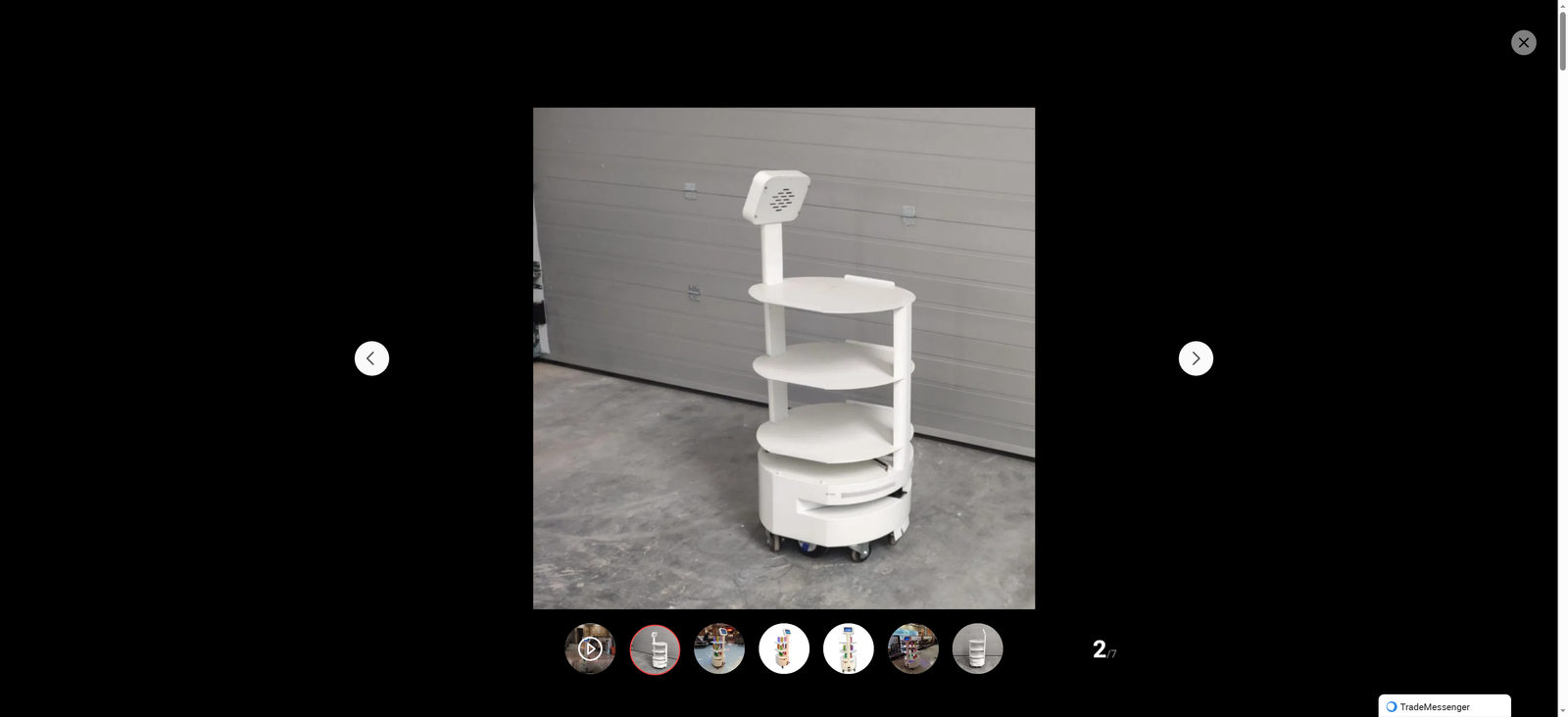
In today’s hyper-competitive food service industry, rising labor costs, staffing shortages, and the demand for round-the-clock service have become major pain points for businesses. From bustling restaurants and corporate campuses to senior care facilities and hotels, operators are seeking innovative solutions to streamline operations, reduce expenses, and maintain consistent service quality. Mobile food delivery robots emerge as a game-changing answer, combining 24/7 reliable performance with significant cost-saving benefits that transform bottom-line results.
The Cost Crisis in Food Service: Why Robots Are the Solution
Labor costs account for 25-35% of total operating expenses in the food service sector, and the challenge is compounded by high turnover rates and shrinking talent pools. Traditional delivery models rely on human staff who require breaks, vacations, and overtime pay, while struggling to keep up with peak-hour demands and late-night service. This not only drives up costs but also leads to inconsistent service, longer wait times, and reduced customer satisfaction.
Mobile food delivery robots address these gaps by offering uninterrupted, efficient service without the limitations of human labor. Unlike employees, robots operate 24 hours a day, 7 days a week, with minimal downtime for charging or maintenance. They eliminate costs associated with wages, benefits, training, and turnover, while delivering consistent performance that scales with business needs—whether it’s a morning rush at a café or midnight room service in a hotel.
24/7 Reliability: Beyond Continuous Operation
Reliability in mobile delivery robots goes far beyond just working around the clock. Modern models are equipped with advanced technologies that ensure seamless service in complex, dynamic environments, making them a trustworthy backbone for daily operations.
At the core of their reliability is sophisticated navigation technology. Leading robots integrate multi-sensor fusion SLAM (Simultaneous Localization and Mapping) with 3D Gaussian Splatting real-time mapping, enabling them to build detailed 3D environments, avoid obstacles—including transparent glass and ground spills—and navigate narrow corridors with precision. For example, the OrionStar Lucki Pro features a car-grade independent suspension chassis that minimizes soup spillage even on bumpy surfaces, ensuring food safety and reducing waste from accidents.
These robots also boast impressive durability and low maintenance requirements. With日均 operating times of up to 16.5 hours and automatic charging capabilities, they can handle extended shifts without human intervention. Models like the Qinglang Intelligent T10, designed for high-traffic restaurants, offer stable performance in crowded spaces, while supporting multi-robot cluster scheduling to meet large-scale delivery needs during peak hours.
Quantifiable Cost Savings: From Labor Reduction to Efficiency Gains
The cost-saving impact of mobile food delivery robots is measurable and substantial, with businesses seeing returns on investment in as little as 6-12 months. Key financial benefits include:
- Labor Cost Reduction: A single mobile delivery robot can replace 1-2 full-time delivery staff, handling 400-600 food platters daily—more than double the efficiency of human workers. For example,海底捞 and Benu Hot Pot reported monthly labor savings of $1,000-$1,500 per robot, with reduced turnover costs as employees are freed from repetitive, physically demanding tasks.
- Efficiency-Driven Savings: Robots reduce delivery errors to less than 1% through integrated cameras and AI recognition, eliminating costs from wrong orders and customer complaints. They also boost table turnover rates by 30% or more by accelerating food delivery and dish retrieval, directly increasing revenue potential.
- Low Operational Costs: With minimal maintenance needs and energy-efficient designs, the annual operating cost of a delivery robot is a fraction of a human employee’s salary. Most models consume just $5-$10 worth of electricity per week, and standardized parts reduce repair costs.
Versatile Applications: 24/7 Service Across Industries
Mobile food delivery robots are not limited to restaurants—their 24/7 reliability makes them invaluable across multiple sectors:
Hospitality: Hotels like those using Yunji Technology’s “Gege” series leverage dual-compartment robots for 24/7 room service and restaurant delivery, seamlessly navigating elevators and access control systems to serve guests at any hour.
Senior Care: Nursing homes in Ningbo and other cities use robots to deliver meals to residents’ beds 24/7, reducing the workload of care staff and ensuring timely, hygienic service for elderly residents.
Corporate Campuses & Theme Parks: Large venues with extended operating hours rely on robots to handle high-volume delivery, such as a German thousand-person restaurant where robots collect 2,000-3,000 dirty dishes daily, cutting cleaning labor by 60%.
The Future of Food Service: Invest in 24/7 Reliability
As labor challenges persist and customer expectations for fast, consistent service grow, mobile food delivery robots are no longer a novelty—they are a strategic investment. Their ability to deliver 24/7 reliable service while slashing labor costs and boosting efficiency positions businesses for long-term success in a competitive market.
Whether you operate a busy restaurant, a hotel, or a senior care facility, mobile food delivery robots offer a proven way to cut costs without compromising service quality. By embracing this technology, you can free your team to focus on high-value customer interactions, reduce operational risks, and unlock 24/7 revenue opportunities—all while building a more sustainable, efficient business.