
Customized Commercial Programmable Delivery Robot Service for Restaurant and Hotel Service
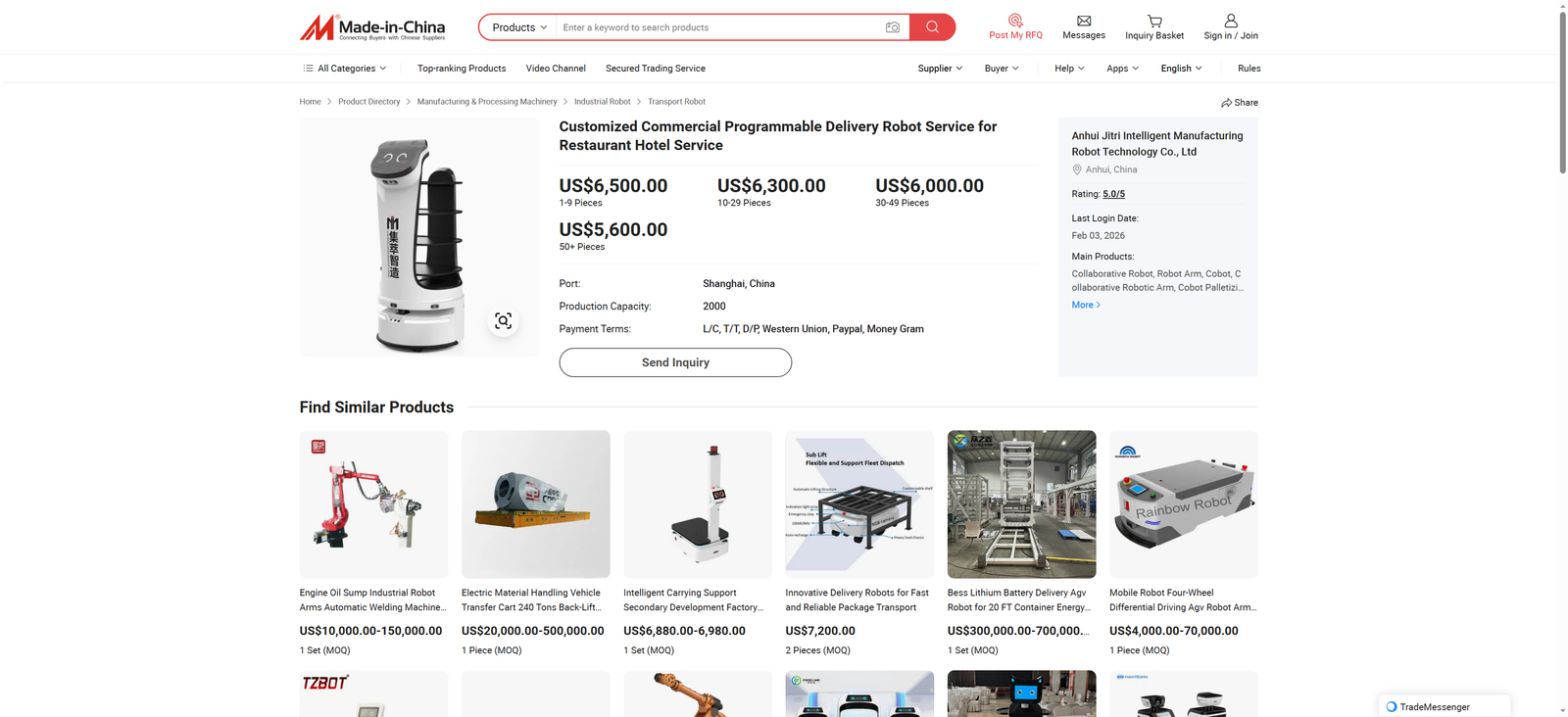
In the fast-paced world of hospitality and catering, efficiency, personalization, and cost-effectiveness have become the core pillars of sustainable development. As restaurants and hotels strive to enhance guest experiences while addressing the challenges of labor shortages, rising labor costs, and inconsistent service quality, customized commercial programmable delivery robots have emerged as transformative solutions. These intelligent robots are not just standardized tools; they are tailored to fit the unique operational needs of each establishment, redefining the way services are delivered and setting new benchmarks for industry excellence.
The hospitality and catering industries are characterized by diverse operational scenarios—from bustling restaurants with complex table layouts to large-scale hotels with multiple floors, banquet halls, and guest rooms. A one-size-fits-all delivery robot can hardly meet the varied demands of different venues. For instance, a high-end restaurant may require a robot that blends seamlessly with its elegant decor, offers quiet operation, and can handle delicate tableware, while a budget hotel may prioritize load capacity, speed, and cost-efficiency for delivering room service, towels, and toiletries. Customized commercial programmable delivery robots address these disparities by integrating flexible programming and personalized design, ensuring they align perfectly with the brand positioning and operational workflow of each restaurant or hotel.
Programmability is the core advantage that distinguishes these robots from traditional delivery tools. Equipped with advanced AI-driven navigation systems, such as VSLAM and LiDAR SLAM technology, these robots can be programmed to adapt to complex indoor environments, including narrow corridors, crowded dining areas, and multi-floor buildings with elevators and access control systems. Restaurant operators can program the robots to memorize specific table routes, deliver meals and beverages accurately to designated seats, and even return used dishes to the kitchen—reducing the repetitive workload of waitstaff by up to 90%. For hotels, the robots can be programmed to handle 24/7 room service delivery, transport luggage and linens, and even assist with public area cleaning, enabling staff to focus on more personalized guest interactions instead of tedious跑腿 tasks.
Customization extends beyond functional programming to encompass design, capacity, and interactive features, creating a unique brand experience for guests. A boutique hotel, for example, can customize the robot’s appearance to match its interior style—choosing colors, logos, and even unique shapes that reflect its brand identity. Some high-end restaurants opt for robots with sleek, minimalist designs and quiet operation to maintain a sophisticated dining atmosphere, while family-friendly eateries may prefer robots with cute, interactive designs (such as cat-ear shapes) that can engage with children through voice or touch interactions. In terms of capacity, customized robots can be equipped with modular compartments of varying sizes: multi-cabin designs for hotels to deliver multiple items to different rooms in one trip, or adjustable-tier trays for restaurants to carry different types of food and drinks without spillage.
The practical value of customized commercial programmable delivery robots is evident in their ability to solve industry pain points and drive operational efficiency. Labor shortage has long been a pressing issue for restaurants and hotels, with high turnover rates and rising wages increasing operational costs. By deploying these robots, establishments can reduce their reliance on manual labor—statistics show that a single delivery robot can replace 2-3 full-time staff, cutting labor costs by 30%-50% annually. Moreover, the robots operate 24/7 without fatigue, ensuring consistent service quality even during peak hours (such as restaurant dinner rushes or hotel check-in/out periods) when human staff are most overwhelmed. For example, hotel robots can deliver room service in 3-5 minutes per order, significantly faster than the 8-10 minutes required for manual delivery, and achieve a delivery success rate of over 99%.
In addition to cost savings and efficiency gains, these robots also enhance guest satisfaction and brand competitiveness. In an era where consumers increasingly value innovation and convenience, the use of intelligent delivery robots creates a memorable, tech-savvy experience for guests. Many guests are eager to interact with the robots, take photos, and share their experiences on social media—effectively turning the robots into brand ambassadors that boost brand exposure and reputation. A hotel survey found that 22% of guest reviews mentioned the use of delivery robots, with an average rating of 4.98 out of 5, highlighting the positive impact of robots on guest perception. Furthermore, the robots support contactless delivery, which has become a key demand for guests in the post-pandemic era, ensuring food safety and privacy while meeting modern health standards.
The integration of customized commercial programmable delivery robots also supports data-driven operational management. Advanced robot systems are equipped with intelligent management platforms that can track delivery times, order volumes, robot performance, and guest feedback in real-time. Restaurant and hotel managers can use this data to optimize workflow, adjust robot programming, and make informed decisions to improve service quality. For example, if data shows that delivery times are longer in a specific area of the restaurant, managers can reprogram the robot’s route to avoid congestion; if guests frequently request additional items, hotels can adjust the robot’s compartment size to accommodate more goods.
As technology continues to advance, the potential of customized commercial programmable delivery robots in the restaurant and hotel industries is constantly expanding. Future iterations may integrate more advanced AI capabilities, such as natural language processing for more sophisticated guest interactions, and machine learning to adapt to changing operational needs autonomously. They may also support seamless integration with existing restaurant and hotel management systems, including POS systems and room service platforms, creating a fully intelligent operational ecosystem. Additionally, advancements in battery technology will extend robot runtime, while lighter and more durable materials will enhance their adaptability to diverse environments.
In conclusion, customized commercial programmable delivery robot services are reshaping the restaurant and hotel industries by combining flexibility, efficiency, and personalization. They address the core pain points of labor shortages and rising costs while elevating guest experiences and brand competitiveness. Unlike standardized robots, customized solutions are designed to fit the unique needs of each establishment—whether it’s a high-end restaurant seeking elegance and precision, a busy café needing speed and versatility, or a large hotel requiring multi-functional delivery and cleaning support. As the hospitality and catering industries continue to embrace digital transformation, these intelligent robots will no longer be optional additions but essential assets for businesses looking to thrive in a competitive market. Investing in customized commercial programmable delivery robots is not just an investment in technology; it’s an investment in the future of service excellence.