
Contactless Delivery Robot Butler for Efficient Hotel Service Solutions
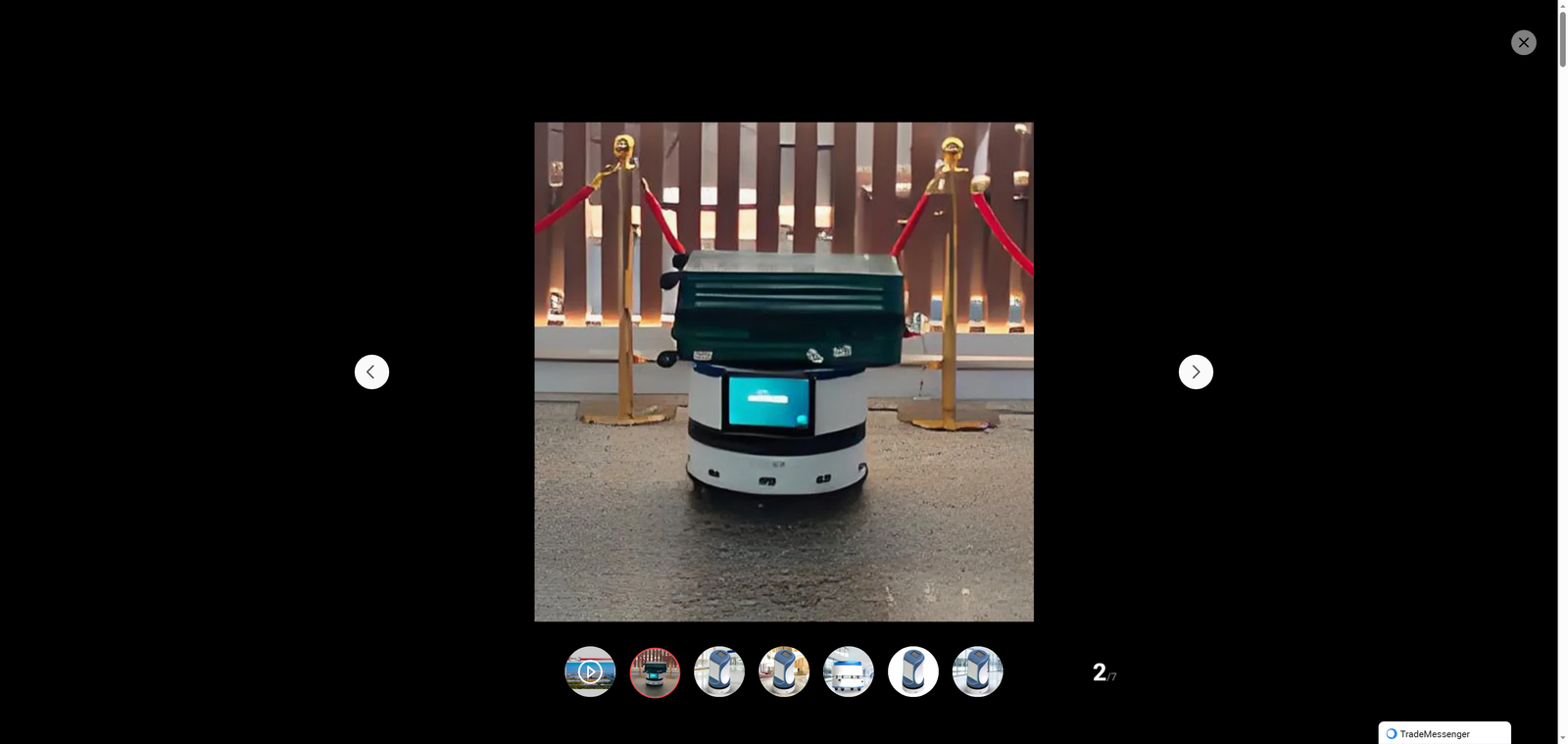
In the new era of hospitality industry development, where "efficiency, safety, and personalization" have become the core demands of guests, traditional hotel service models are facing unprecedented challenges. The shortage of human resources, uneven service quality, and high labor costs have become bottlenecks restricting the high-quality development of hotels. Against this background, contactless delivery robot butlers have emerged as a disruptive innovation, integrating advanced technologies such as artificial intelligence, Internet of Things, and autonomous navigation to build a new paradigm of efficient, intelligent, and safe hotel services, injecting strong momentum into the digital transformation of the hospitality industry.
The contactless delivery robot butler is not just a simple "delivery tool" but a comprehensive service terminal that deeply fits hotel service scenarios. Unlike traditional manual services, this type of robot can realize 24-hour uninterrupted operation without being restricted by working hours, physical strength, or emotional factors, fundamentally solving the problem of insufficient service capacity during peak hours, late nights, and other key time periods. Whether it is delivering room service such as meals, drinks, and towels, or handling logistics needs such as express delivery, laundry, and documents, the robot butler can complete the whole process efficiently and accurately, greatly reducing the workload of hotel attendants and allowing them to focus more on providing high-value personalized services such as guest consultation and experience improvement.
Efficiency improvement is one of the most prominent advantages of contactless delivery robot butlers in hotel applications. Equipped with advanced autonomous navigation and obstacle avoidance systems, the robot can quickly plan the optimal path according to the hotel's floor plan and real-time environmental changes, accurately reach any designated room or public area, and the delivery time is controllable and predictable. Compared with manual delivery, which often requires going back and forth between floors and waiting for elevators, the robot butler can realize "point-to-point" direct delivery, which shortens the delivery cycle by more than 50% in practical applications. For example, in a medium-sized hotel with 200 rooms, a single robot butler can complete 80-100 delivery tasks per day, which is equivalent to the workload of 2-3 full-time attendants, significantly reducing the hotel's labor input and operational costs. At the same time, the robot's intelligent management system can realize real-time monitoring of task progress, data statistics, and fault early warning, helping hotel managers grasp service dynamics in a timely manner and make scientific decision-making adjustments.
In addition to efficiency, contactless service has become an important demand for guests in the post-epidemic era, and the robot butler just meets this pain point. By reducing direct contact between guests and service personnel, the robot can effectively reduce the risk of cross-infection, create a safer and more reassuring living environment for guests, and enhance the hotel's brand image and guest satisfaction. When guests need room service, they only need to place an order through the in-room smart terminal, WeChat mini-program, or phone, and the robot butler will receive the order immediately and complete the delivery. The whole process is contactless, intelligent, and convenient, which not only meets the guests' pursuit of a private and safe experience but also conforms to the development trend of the modern hospitality industry.
The application of contactless delivery robot butlers also promotes the upgrading of hotel service quality and personalization. The robot is equipped with a high-definition touch screen, voice interaction module, and multimedia playback function, which can not only complete delivery tasks but also provide guests with value-added services such as hotel information inquiry, tourist route recommendation, and weather forecast. For example, when delivering meals to guests, the robot can actively greet them through voice interaction, introduce the hotel's characteristic services, or play relaxing music, bringing a more vivid and interesting service experience to guests. At the same time, based on the big data accumulated by the robot's service process, hotels can analyze guests' consumption habits and service preferences, and provide personalized services such as customized room supplies and targeted activity recommendations, realizing the transformation from "passive service" to "active service".
Of course, the popularization and application of contactless delivery robot butlers in hotels also need to solve some practical problems, such as the adaptation of old hotels to intelligent transformation, the maintenance of robot equipment, and the training of relevant personnel. However, with the continuous progress of technology and the gradual maturity of the industrial chain, the cost of robot equipment is gradually reducing, the stability and compatibility are constantly improving, and these problems will be effectively solved. More and more hotels have realized the important value of robot butlers in optimizing service efficiency, reducing costs, and enhancing guest experience, and have taken the introduction of intelligent robot services as an important measure for digital transformation.
In the future, with the in-depth integration of artificial intelligence, 5G, and other technologies with the hospitality industry, contactless delivery robot butlers will develop in a more intelligent, humanized, and multi-functional direction. They will not only undertake more service tasks but also become an important part of the hotel's intelligent ecosystem, connecting room control, catering services, and logistics management to build a fully intelligent hotel service system. For hotels, the introduction of contactless delivery robot butlers is not only a response to market demand but also a strategic layout for long-term development. It can help hotels gain a competitive advantage in the fierce market competition and promote the high-quality and sustainable development of the entire hospitality industry.
To sum up, contactless delivery robot butlers, with their unique advantages of high efficiency, safety, intelligence, and personalization, have become an important solution to optimize hotel service efficiency and promote industry transformation and upgrading. In the new wave of digital economy, hotel enterprises should actively embrace technological innovation, give full play to the role of contactless delivery robot butlers, and create a more high-quality, efficient, and humanized hotel service experience for guests, so as to write a new chapter in the development of the hospitality industry.