
Contactless Culinary Courier Robot: The Future of Hotel Food Service
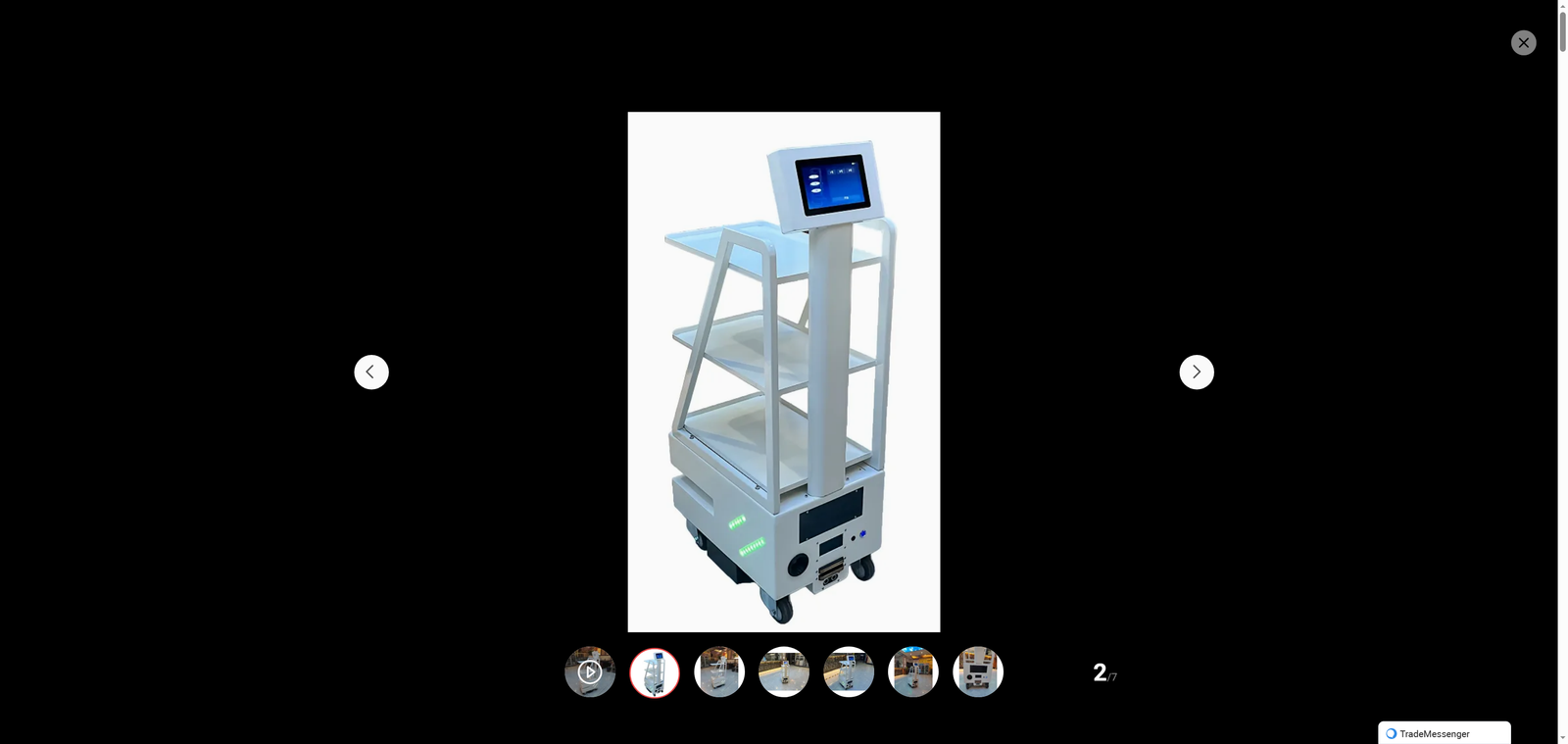
In the new era of hospitality industry, where efficiency, safety and personalized experience are highly valued, contactless service has gradually become a core competitiveness for hotels to attract customers. Among the many innovative technologies, contactless culinary courier robots have emerged as a disruptive force, redefining the mode of hotel food service and leading the industry into a smarter future. These intelligent robots, which integrate artificial intelligence, Internet of Things and automatic control technology, are no longer just a novelty in hotels, but have become an indispensable part of improving service quality, reducing operational costs and enhancing customer satisfaction.
The rise of contactless culinary courier robots is closely linked to the changes in market demand and industry development trends. In the post-epidemic era, consumers' demand for contactless service has surged. They pay more attention to the hygiene and safety of the dining process, and hope to reduce unnecessary human contact to avoid potential health risks. For hotels, traditional food delivery services rely heavily on human resources. During peak meal hours, waiters often face heavy workloads, which may lead to delayed delivery, wrong orders and other problems, affecting the customer experience. In addition, the recruitment, training and management of waiters also bring certain cost pressures to hotels. Under such background, contactless culinary courier robots have become the ideal solution to solve these pain points.
Contactless culinary courier robots have significant technical advantages that make them competent for hotel food service work. First of all, they are equipped with advanced navigation and positioning systems, such as laser radar, visual navigation and ultrasonic sensors. These systems enable robots to accurately perceive the hotel's internal environment, automatically avoid obstacles, plan the optimal delivery route, and accurately reach the designated guest room or dining area. Whether it is a complex corridor, an elevator with frequent people flow or a crowded restaurant, robots can move freely and stably, without being affected by the environment. Secondly, the contactless design of the robot ensures the hygiene and safety of food delivery. The food storage compartment of the robot is made of food-grade materials, which is easy to clean and disinfect. At the same time, the compartment has a sealing function, which can effectively isolate external pollution and keep the food warm and fresh. Guests only need to scan the code on the robot with their mobile phones to open the compartment and take the food, realizing zero contact between people and people, and between people and robots, maximizing the protection of the health and safety of guests and staff.
In addition to hygiene and safety, contactless culinary courier robots also greatly improve the efficiency of hotel food service. Compared with human waiters, robots do not need to rest, do not feel tired, and can work 24 hours a day. During peak meal hours, multiple robots can work at the same time, which can quickly distribute a large number of meals, effectively reducing the waiting time of guests. Taking a mid-to-high-end hotel as an example, after introducing contactless culinary courier robots, the average food delivery time has been reduced by 30%, and the customer complaint rate caused by delayed delivery has dropped by more than 50%. At the same time, robots can also automatically complete tasks such as order confirmation, meal taking and return to the kitchen, reducing the workload of waiters, so that waiters can focus more on providing personalized services for guests, such as introducing dishes, answering questions and solving other needs, thus improving the overall service quality of the hotel.
The application of contactless culinary courier robots also brings significant economic benefits to hotels. In the long run, although the initial investment in purchasing robots is relatively large, the cost of robot operation and maintenance is much lower than the labor cost of hiring waiters. Hotels can save a lot of expenses in recruitment, training, salary, social security and other aspects. According to relevant data statistics, a contactless culinary courier robot can replace 2-3 full-time waiters, and the investment can be recovered within 1-2 years. In addition, the introduction of robots can also enhance the hotel's brand image, show the hotel's innovative consciousness and technological strength, attract more young customers who pursue intelligent experience, and bring more business opportunities to the hotel.
Of course, the popularization and application of contactless culinary courier robots in hotel food service is not without challenges. At present, some hotels, especially small and medium-sized hotels, are limited by capital and technical strength, and it is difficult to popularize robot services on a large scale. In addition, the function of some low-end robots is relatively single, which can only complete simple food delivery tasks, and cannot meet the complex service needs of hotels. Moreover, in the process of robot operation, there may be technical failures, such as navigation errors and compartment malfunctions, which need professional technical personnel to maintain and repair. However, with the continuous progress of technology and the continuous reduction of robot production costs, these problems will be gradually solved.
Looking to the future, contactless culinary courier robots will have a broader development prospect in hotel food service. With the integration of artificial intelligence, big data and other technologies, robots will become more intelligent and humanized. They can not only accurately deliver food, but also recognize guests' faces, remember guests' dining preferences, and provide personalized meal recommendations. They can even communicate with guests through voice interaction, answering guests' questions about the hotel and dishes. At the same time, the application scope of robots will also be further expanded, from food delivery to laundry delivery, document delivery and other fields, becoming a comprehensive service robot in the hotel. In addition, the interconnection and intercommunication between robots and the hotel's intelligent management system will be realized, so that the hotel can better manage the service process, optimize the resource allocation and improve the operational efficiency.
In conclusion, contactless culinary courier robots, with their unique advantages in hygiene, efficiency, cost and experience, have become an important trend in the development of hotel food service. They are not only changing the traditional service mode of hotels, but also promoting the transformation and upgrading of the hotel industry towards intelligence and modernization. For hotels, actively introducing contactless culinary courier robots is not only a response to market demand, but also a strategic layout to enhance core competitiveness. In the near future, with the continuous innovation and development of technology, contactless culinary courier robots will surely become the standard configuration of hotels, creating a more convenient, safe and high-quality dining experience for guests, and writing a new chapter in the future of hotel food service.