
In the commercial landscape, cleanliness is not just a basic requirement but a core symbol of service quality and professional standards—especially for hotels and hospitals, where hygiene directly affects customer experience, brand reputation, and even public health safety. With the rapid development of artificial intelligence and intelligent manufacturing, the Commercial Automatic Floor Cleaning Robot, an AI-powered all-in-one dusting solution, has emerged as a game-changer, breaking through the limitations of traditional manual cleaning and ushering in a new era of efficient, standardized, and intelligent cleaning for commercial spaces.
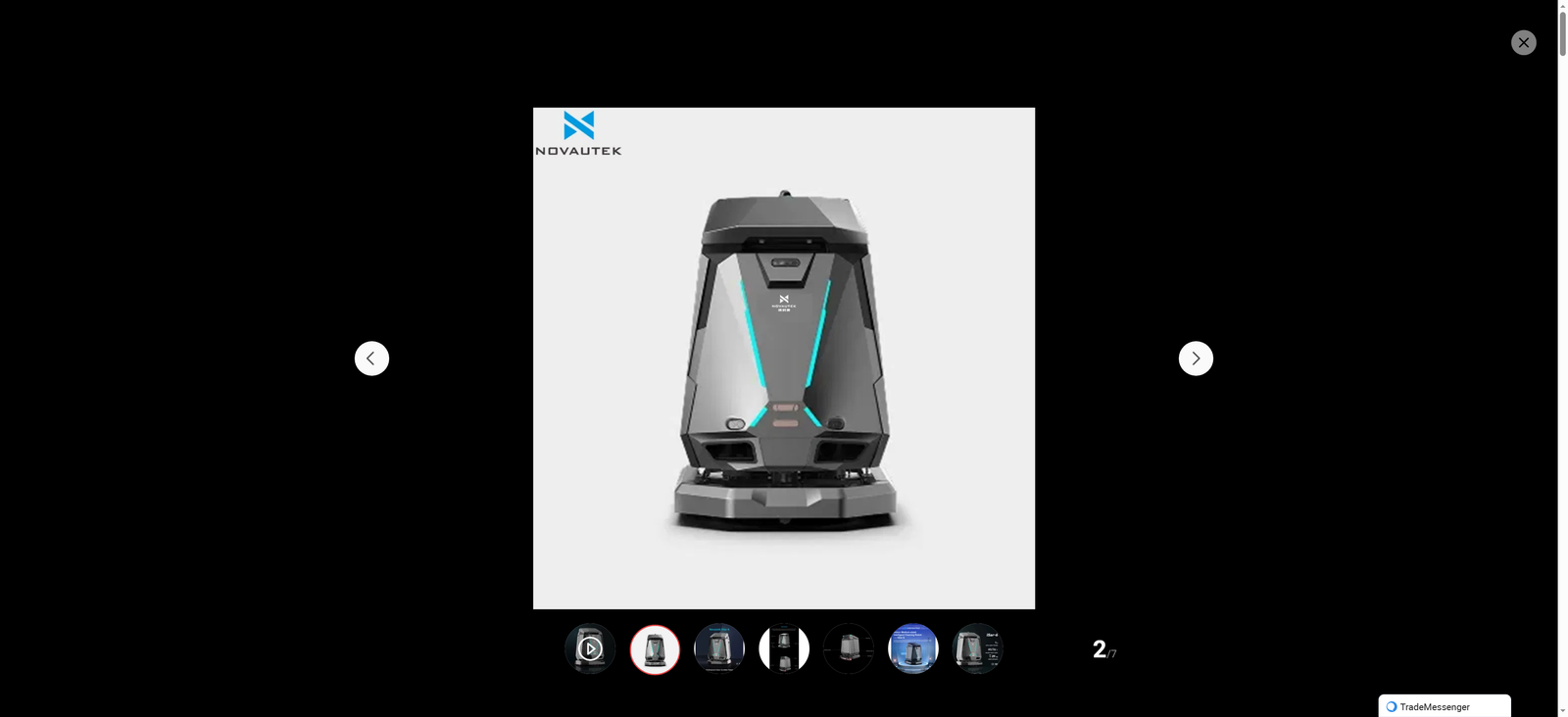
Different from ordinary household cleaning robots, commercial scenarios such as hotels and hospitals have higher and more complex requirements for floor cleaning equipment. Hotels need to maintain spotless floors in lobbies, corridors, guest rooms, and public areas around the clock, with no dead ends or residual dust, to ensure a premium living experience for guests. Hospitals, on the other hand, have strict standards for disinfection and sterilization, requiring cleaning equipment to not only remove dust and dirt but also effectively reduce the spread of bacteria and viruses, meeting the hygiene needs of medical environments. The AI-Powered All-in-One Dusting Robot is tailored to these demands, integrating multiple functions and intelligent technologies to become an indispensable cleaning assistant in these two industries.
The core advantage of this commercial automatic floor cleaning robot lies in its advanced AI-powered system, which endows it with "independent thinking" and "smart operation" capabilities. Equipped with high-precision sensors, 3D visual navigation modules, and advanced AI algorithms, the robot can quickly scan and map the cleaning area in real time—whether it is the spacious lobby of a hotel with frequent pedestrian flow, the narrow corridors of a hospital with medical equipment, or areas with obstacles such as chairs, flower pots, and medical carts. It can accurately identify obstacles, plan the optimal cleaning path, and avoid collisions and omissions. Unlike manual cleaning, which is prone to missed areas due to fatigue or negligence, the AI system ensures that the robot covers every corner of the designated area, achieving a 360-degree all-round cleaning effect.
As an all-in-one dusting robot, it integrates multiple cleaning functions such as sweeping, mopping, dust collection, and even disinfection, realizing "one machine in place" for commercial floor cleaning needs. For daily dust removal in hotel lobbies and corridors, the robot’s high-efficiency vacuum suction system can quickly absorb dust, hair, and small debris, keeping the floor clean and tidy. For areas that require deep cleaning, such as hospital wards and operating room peripheries, the robot can switch to the mopping mode, with adjustable water flow and pressure to ensure that the floor is thoroughly cleaned without leaving water stains. In addition, many models are equipped with ultraviolet disinfection modules or atomization disinfection functions, which can kill bacteria and viruses on the floor surface while cleaning, greatly improving the hygiene level of the environment—this is particularly critical for hospitals, where it helps reduce the risk of cross-infection.
For hotels and hospitals, the application of this commercial automatic floor cleaning robot also brings significant operational benefits. Firstly, it improves cleaning efficiency. A single robot can replace 2-3 manual cleaners, operating continuously for 8-12 hours a day without rest, which is especially suitable for commercial spaces that need 24-hour hygiene maintenance. For example, hotels can arrange the robot to clean public areas at night when there are few guests, ensuring that the environment is clean and tidy when guests check in the next day; hospitals can use the robot to carry out cyclic cleaning in corridors and waiting areas during the day, reducing the workload of cleaning staff. Secondly, it reduces operational costs. In the long run, the use of robots can save labor costs, avoid the loss of manual cleaning staff, and reduce the consumption of cleaning supplies due to standardized operation. At the same time, the robot’s intelligent energy-saving design can effectively reduce power consumption, further reducing the operating burden of enterprises.
Moreover, the commercial automatic floor cleaning robot also has the advantages of standardized management and data-based monitoring. Through the supporting intelligent management platform, the operator can remotely monitor the robot’s working status, cleaning progress, and remaining power in real time, and can also set cleaning tasks and time periods according to actual needs. For example, the hotel management can arrange different cleaning frequencies for guest floors and public areas; the hospital can focus on cleaning high-risk areas such as intensive care units and operating rooms. After the cleaning is completed, the robot can automatically generate a cleaning report, recording the cleaning area, time, and effect, which provides a reliable basis for the hygiene management of enterprises and helps them meet relevant industry inspection standards.
In the context of increasing attention to hygiene and efficiency, the AI-Powered Commercial Automatic Floor Cleaning Robot is no longer a simple "equipment replacement" but a "quality upgrade" for the cleaning work of hotels and hospitals. It not only solves the pain points of traditional manual cleaning such as low efficiency, uneven quality, and high cost but also meets the higher hygiene requirements of modern commercial spaces. For hotels, it helps to enhance the brand image and guest satisfaction; for hospitals, it provides a more reliable guarantee for public health and safety.
Looking to the future, with the continuous progress of AI technology and the continuous optimization of commercial cleaning needs, the Commercial Automatic Floor Cleaning Robot will be more intelligent, humanized, and multi-functional—whether it is more accurate obstacle avoidance, more efficient disinfection technology, or more perfect integration with intelligent building management systems, it will continue to inject new vitality into the cleaning industry. For hotels and hospitals that pursue high-quality development, embracing this intelligent cleaning equipment is not only a trend but also a necessary choice to enhance core competitiveness.