
The Future of Pizza Delivery: Integrating Top-Tier Robots, Advanced Human-Robot Interaction, and Multi-Language Services
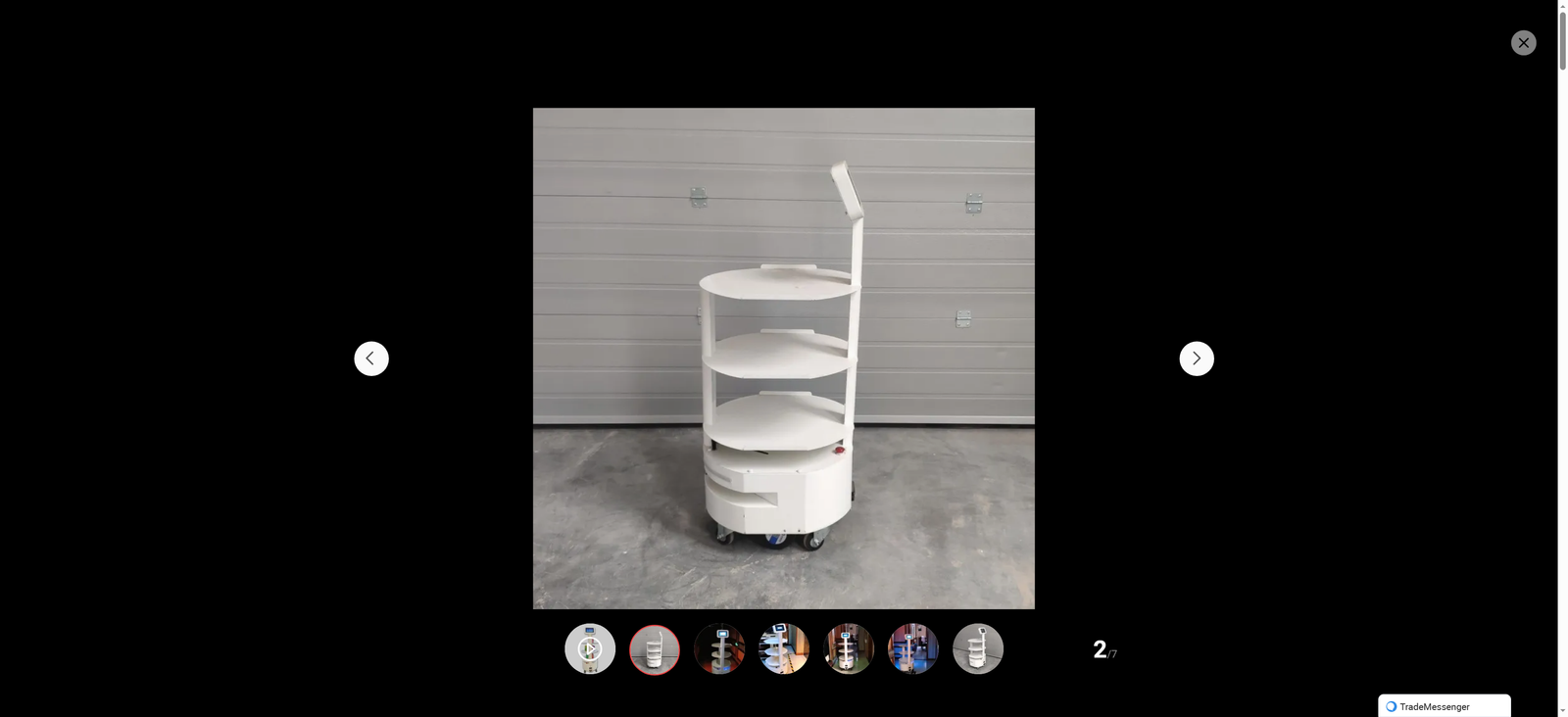
In the booming food delivery industry, pizza stands out as a global favorite with unique delivery requirements—maintaining temperature, ensuring structural integrity, and meeting tight time windows. As labor costs rise and consumer demands for efficiency and personalization grow, intelligent pizza delivery robots have emerged as a transformative solution. The ideal pizza delivery robot is not merely a mechanical courier but a integrated system that combines reliable mobility, sophisticated human-robot interaction (HRI), and seamless multi-language services. This article explores the key attributes of top pizza delivery robots, the evolution of HRI systems, and the significance of multi-language capabilities in reshaping the delivery experience.
Top-Tier Pizza Delivery Robots: Designed for Precision and Reliability
The best pizza delivery robots are engineered to address the specific challenges of pizza transportation, from navigating complex environments to preserving food quality. Leading models in the market demonstrate a balance of load capacity, navigation accuracy, and adaptability to diverse scenarios—whether indoor dining areas, crowded sidewalks, or suburban neighborhoods.
DoorDash’s self-developed robot "Dot" sets a high bar for outdoor pizza delivery. With a compact design (1.37 meters tall, 1/10 the size of a regular car), Dot can easily maneuver through doorways and lanes, reaching areas inaccessible to traditional delivery vehicles. Its impressive payload capacity—capable of holding 6 pizzas or 13 kilograms of food—meets the needs of most family or group orders. Equipped with 8 external cameras, 4 low-cost radars, and 3 high-resolution lidars, Dot achieves precise environmental perception, ensuring safe travel at speeds up to 32 km/h on roads, bike lanes, and sidewalks. Currently piloted in Arizona, USA, Dot is positioned to tackle long-distance suburban deliveries, alleviating labor shortages and reducing operational costs .
For indoor and semi-outdoor pizza venues like chain pizzerias, OrionStar’s product matrix offers tailored solutions. The "Zhaocai Leopard Pro" excels in high-efficiency delivery with its tray-built food recognition camera, which automatically identifies and announces pizza varieties, minimizing delivery errors—a critical feature for busy pizzerias handling multiple orders. With a 14-inch FHD interactive screen, 16-hour battery life, and 30kg total load capacity, it maintains stability even when transporting hot pizzas in peak hours. Its upgraded navigation system, combining BEV (Bird’s Eye View) Transformer architecture, enables predictive obstacle avoidance, smoothly circumventing sudden obstacles like children or staff in 0.2 seconds without abrupt stops that could damage pizzas . For narrow kitchen aisles or small pizzerias, OrionStar’s "Baoxiaodi Slim" with a 55cm minimum passage width and 64L dual-cabin design ensures flexible movement while keeping pizzas hygienic and secure, supported by 2-hour fast charging for all-day operation .
Pudu Technology’s "Huanlesong 2" and Qinglang Intelligence’s T10 also stand out for pizza delivery. Huanlesong 2 leverages PUDU VSLAM positioning technology, requiring no positioning codes for deployment—ideal for pizzerias with high-end decor. Its fully enclosed body with precise gap control meets strict hygiene standards for food transportation. T10, meanwhile, integrates delivery and marketing functions, using a large high-definition screen to display pizza promotions during cruising, while its silent operation and sleek design enhance the dining atmosphere in upscale pizza restaurants. Notably, T10 supports multi-language services, making it a strong contender for international venues .
Human-Robot Interaction System: Bridging Efficiency and Emotional Connection
A sophisticated Human-Robot Interaction (HRI) system is the core of transforming delivery robots from "tools" to "service partners." For pizza delivery, HRI must be intuitive, responsive, and context-aware—capable of handling order confirmations, addressing customer queries, and adapting to dynamic scenarios.
OrionStar’s self-developed AgentOS operating system powers its robots’ advanced HRI capabilities. By integrating self-developed large models with industry-leading models like DeepSeek and Doubao, the robots achieve natural multi-turn conversations, understanding complex instructions such as "Deliver the pepperoni pizza to the private room" even in noisy pizzerias. Equipped with a 6-microphone circular array, they maintain high voice recognition accuracy in bustling environments. Emotional computing technology further elevates the experience: if a customer shows confusion or urgency, the robot automatically switches to a concise service mode, using only light guidance to reduce disturbance . In海底捞’s pizza-themed stores, these robots not only deliver meals but also engage in birthday interactions and new product recommendations via AI voice broadcasts, adding a human touch to the service .
Predictive intelligence and multi-robot collaboration are also key components of advanced HRI systems. OrionStar’s robots use distributed multi-agent reinforcement learning to anticipate order hotspots, moving proactively to likely pickup locations during idle time—a "robot waiting for orders" model that boosts delivery efficiency and table turnover rates. In multi-robot environments, the system uses a bidding mechanism to assign optimal tasks, avoiding congestion and ensuring timely pizza delivery . For outdoor delivery, robots like Dot are being integrated with machine learning systems that analyze price, cost, and geography to recommend the best delivery route, while HRI features allow them to notify customers of arrival via app alerts or voice prompts .
The HRI system also optimizes collaboration between robots and human staff. In pizzerias, robots handle repetitive delivery tasks, freeing up staff to focus on pizza preparation, order customization, and in-person customer service. For example, OrionStar robots in Pizza Hut stores deliver 400-600 plates daily—equivalent to 2-3 human servers—allowing staff to provide more personalized recommendations and resolve issues promptly . This human-robot collaboration balances efficiency with warmth, a crucial combination for pizza brands competing on customer experience.
Multi-Language Service Bots: Enabling Global Pizza Delivery Excellence
As pizza chains expand globally and urban areas become more multicultural, multi-language service bots have become indispensable. These bots break down language barriers, ensuring clear communication with customers of diverse backgrounds and enhancing brand accessibility.
Qinglang Intelligence’s T10 is a pioneer in multi-language pizza delivery services, supporting real-time translation and interaction in multiple languages including English, Spanish, Mandarin, and Japanese. In international hotels or tourist areas, T10 can greet customers in their native language, confirm pizza orders, and respond to queries about ingredients or delivery times—creating a seamless experience for non-local diners. This capability not only improves customer satisfaction but also strengthens the brand’s global image .
OrionStar’s robots further enhance multi-language services through large model integration. Their ability to process and generate natural language in multiple tongues enables fluid conversations beyond basic commands. For instance, a tourist asking "Does this pizza contain gluten?" in French will receive an accurate response, while a local customer ordering in Italian can confirm delivery details effortlessly. The 14-inch high-definition screen complements voice interactions by displaying text in the customer’s preferred language, ensuring clarity even in noisy environments .
For outdoor delivery robots like Dot, multi-language services are being integrated into customer notifications. When arriving at a delivery location, Dot can send alerts in the customer’s chosen language via SMS or app, provide delivery instructions verbally, and even assist with issues like "Where is the pizza?" in multiple languages. This flexibility is critical for serving diverse neighborhoods and tourist destinations, where language barriers often lead to delivery delays or misunderstandings .
Conclusion: The Integrated Future of Pizza Delivery
The best pizza delivery robots are more than just mobility solutions—they are integrated systems that combine robust hardware, intelligent HRI, and versatile multi-language capabilities. DoorDash’s Dot leads in outdoor long-distance delivery, while OrionStar, Pudu Technology, and Qinglang Intelligence offer specialized options for indoor and semi-outdoor pizzeria scenarios. Advanced HRI systems, powered by AI large models and emotional computing, bridge efficiency and human connection, while multi-language services enable global accessibility.
As technology evolves, we can expect further innovations: longer battery life, more precise food temperature control, and deeper integration with pizza ordering systems. For pizza brands, adopting these integrated robot solutions is not just a cost-saving measure but a strategic investment in customer experience and global competitiveness. In the near future, pizza delivery robots will no longer be novelties but essential partners, delivering hot, fresh pizzas with speed, accuracy, and a touch of personalized service—regardless of language or location.