
In the era of intelligent hospitality, technological innovation has become a key driver of service upgrading. Among the various smart devices reshaping the hotel industry, autonomous navigation hotel reception service robots and delivery robots stand out as game-changers. These robots, equipped with advanced autonomous navigation technology, are redefining the guest experience by optimizing service efficiency, enhancing interaction quality, and bringing a new level of convenience to both hotels and their patrons.
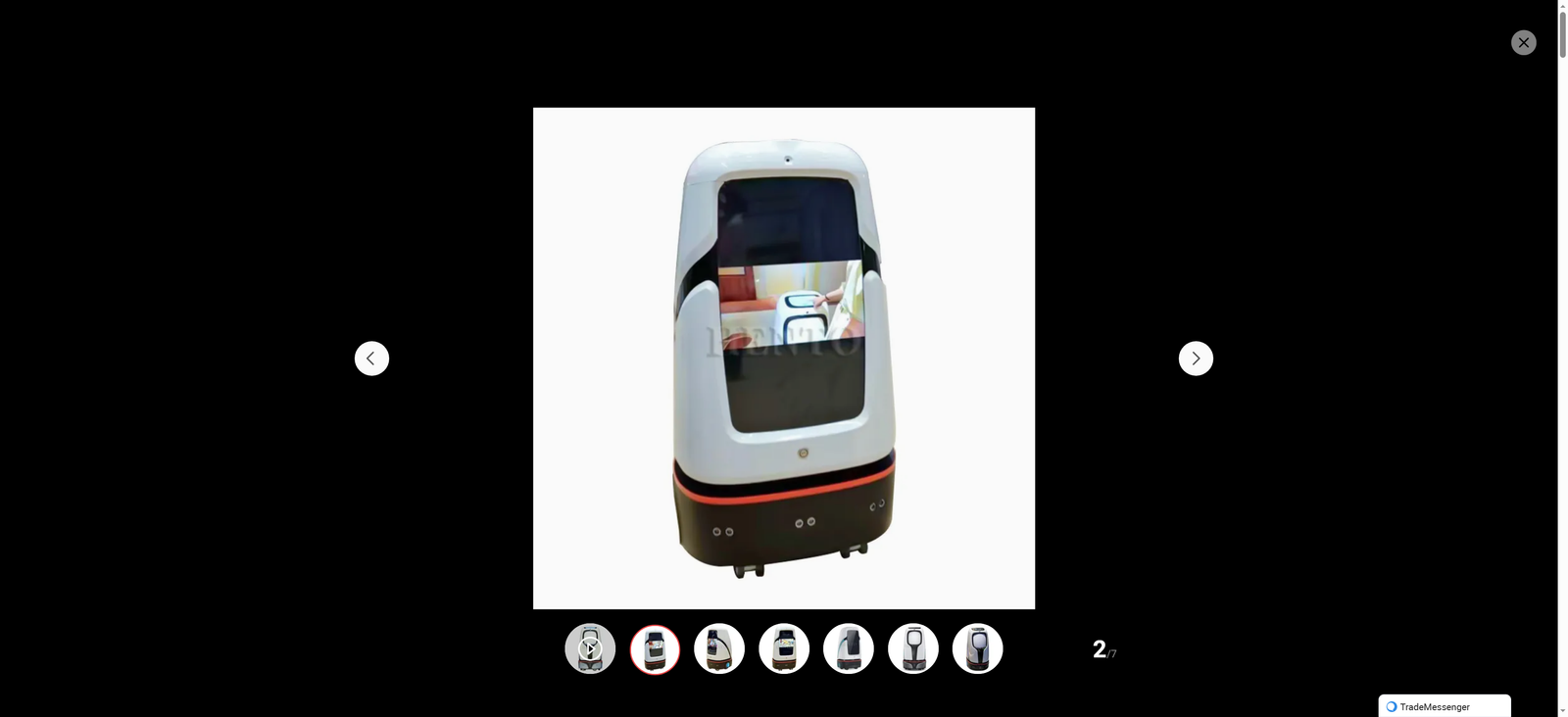
Autonomous navigation is the core competitiveness of these hotel robots, laying the foundation for their seamless operation in complex hotel environments. Unlike traditional service equipment that requires fixed routes or manual control, these robots are equipped with multi-sensor fusion systems, including lidar, cameras, and ultrasonic sensors, which enable them to perceive their surroundings in real time. They can accurately map hotel layouts, identify obstacles such as guests, luggage carts, and decorative items, and dynamically adjust their paths to avoid collisions. Whether navigating through crowded lobbies, narrow corridors, or elevators with frequent people flow, these robots can move smoothly and efficiently, ensuring that services are delivered on time without disrupting the hotel’s daily operations.
The hotel reception service robot has become a welcoming “digital concierge” that transforms the check-in and check-out experience. For guests arriving at the hotel, the robot can greet them proactively with a friendly voice and guide them to the reception desk. It can also assist with preliminary procedures, such as verifying guest information, printing registration forms, and providing information about hotel facilities—such as restaurants, gyms, and conference rooms—through its interactive touch screen. For check-out, the robot can help guests process payments, return room cards, and arrange luggage storage services. This not only reduces the workload of human receptionists, allowing them to focus on more personalized services, but also shortens the waiting time for guests, especially during peak hours such as holidays and business travel seasons.
Complementing the reception robot, the hotel delivery robot takes on the tedious and repetitive task of item delivery, greatly improving service efficiency and accuracy. Guests often need various items during their stay, such as toiletries, towels, bottled water, snacks, or even documents and packages. In the past, these requests relied on hotel staff to deliver, which was prone to delays or errors due to staff busyness. Now, with the delivery robot, guests can place orders through the hotel’s mobile app or room phone, and the robot will quickly receive the task, pick up the items from the designated location, and deliver them directly to the guest’s room door. The robot uses precise positioning technology to reach the target floor and room accurately, and sends a notification to the guest via SMS or app. After the guest takes the items, the robot will automatically return to the charging station or wait for the next task. This 24/7 uninterrupted delivery service not only meets the timely needs of guests but also reduces the labor cost of the hotel, as one robot can replace multiple staff members in handling delivery tasks.
Beyond efficiency and convenience, autonomous navigation hotel robots also enhance the sense of technology and novelty of the hotel, becoming a unique selling point. In today’s travel market, young travelers and business guests are increasingly pursuing intelligent and personalized experiences. A hotel equipped with advanced service robots can easily attract these groups, as the interaction with robots—such as voice conversations with the reception robot or receiving deliveries from the robot—adds fun and memorable moments to their stay. Many hotels have even used these robots as a marketing highlight, promoting their intelligent services on social media and travel platforms, which helps to improve the hotel’s brand image and competitiveness.
Of course, the popularization of autonomous navigation hotel service robots does not mean replacing human services. On the contrary, they are a supplement and enhancement to human services. While robots handle routine and repetitive tasks, human staff can focus on providing more emotional and personalized services, such as caring for the needs of elderly guests, arranging customized travel itineraries, and resolving complex guest complaints. The combination of human warmth and technological efficiency creates a more balanced and high-quality service system for hotels.
Looking to the future, with the continuous advancement of artificial intelligence, big data, and autonomous navigation technology, hotel service robots will become more intelligent and versatile. They may be able to recognize guest emotions through facial expressions, provide more personalized recommendations, or even cooperate with other smart devices in the room—such as adjusting the temperature and lighting according to the guest’s preferences. The integration of robots into hotel services is not just a trend, but an inevitable direction for the intelligent transformation of the hospitality industry.
In conclusion, autonomous navigation hotel reception service robots and delivery robots are bringing a profound transformation to the hotel industry. They optimize service processes, improve efficiency, enhance guest experience, and help hotels gain an advantage in the fierce market competition. As technology continues to evolve, these intelligent robots will play an increasingly important role, leading the hotel industry into a new era of intelligent and high-quality services.