
Autonomous Food Delivery Robots: Redefining Luxury Service in Hotels & Resorts
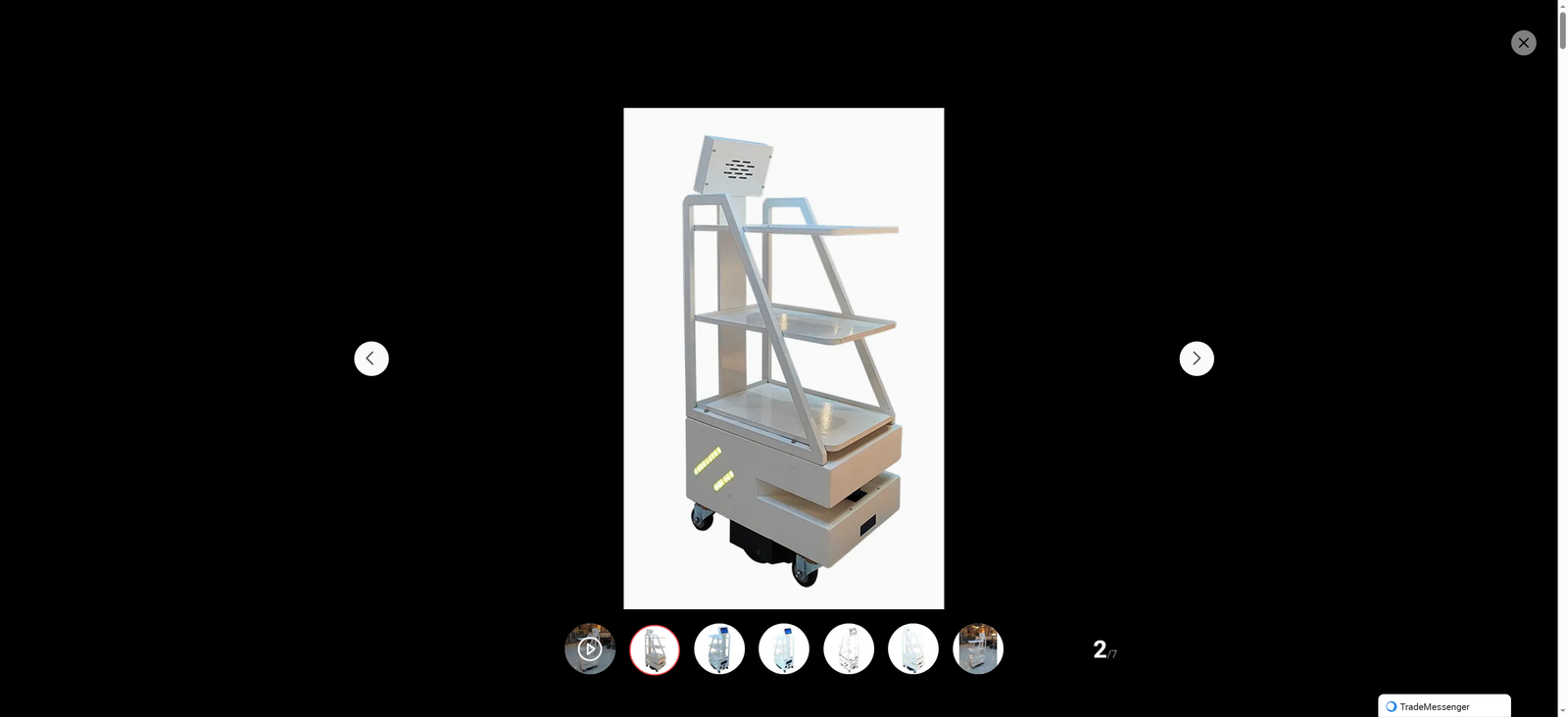
In the realm of luxury hospitality, where every detail is crafted to deliver unparalleled comfort, exclusivity, and personalized experience, innovation has always been a cornerstone of staying ahead. Today, autonomous food delivery robots are emerging as transformative tools that seamlessly blend cutting-edge technology with the timeless elegance of luxury hotels and resorts. Far from replacing the human touch that defines premium service, these robots elevate it—streamlining operations, enhancing guest convenience, and adding a touch of modern sophistication that resonates with discerning travelers worldwide.
Luxury hotels and resorts are not just places to stay; they are destinations in themselves, where guests expect every interaction to be effortless and memorable. From in-room dining to poolside snacks, from afternoon tea at the lobby to private beachside dinners, food and beverage service is a critical component of the luxury experience. However, traditional food delivery models often face challenges—long wait times during peak hours, potential human errors in order fulfillment, and the need to balance promptness with the graceful, unhurried service that luxury guests cherish. Autonomous food delivery robots address these pain points with precision, offering a solution that is both efficient and elegant.
At the core of their appeal is their ability to deliver seamless, 24/7 service without compromising on quality or style. Designed with sleek, minimalist aesthetics that complement the opulent interiors of luxury hotels and resorts, these robots are more than just functional devices—they are extensions of the property’s brand identity. Many models feature premium materials, customizable lighting, and quiet operation, ensuring they blend seamlessly into the background, never disrupting the serene ambiance that luxury venues strive to maintain. Unlike traditional delivery carts, which can be bulky and require staff to navigate crowded lobbies or narrow corridors, autonomous robots use advanced sensors, AI-powered navigation, and mapping technology to move effortlessly through complex environments—avoiding obstacles, navigating elevators, and reaching guest rooms or designated service areas with pinpoint accuracy.
For guests, this translates to unmatched convenience and control. Imagine ordering a gourmet breakfast in bed at 7 a.m., a refreshing cocktail by the pool at 2 p.m., or a late-night snack after a day of exploring—all with the tap of a button on a hotel app. The robot arrives at the door promptly, notifying the guest via a gentle alert, and securely dispenses the order in a temperature-controlled compartment that keeps hot foods hot and cold items fresh. This eliminates the need to wait for a server, track the status of an order, or worry about delays—empowering guests to enjoy their stay on their own schedule. Moreover, the contactless nature of robot delivery has become an added advantage in the post-pandemic era, as many luxury travelers prioritize health and safety without wanting to sacrifice service quality. Robots offer a hygienic alternative to human-to-human delivery, reducing the risk of cross-contamination and giving guests peace of mind.
Beyond guest satisfaction, autonomous food delivery robots also deliver significant operational benefits for luxury hotels and resorts. By automating routine delivery tasks, staff can be reallocated to higher-value roles that require human interaction—such as personalized concierge services, table-side dining experiences, or curating bespoke culinary journeys. This not only improves staff productivity but also enhances job satisfaction, as employees are able to focus on work that is more engaging and fulfilling. Additionally, robots help reduce operational costs in the long run—minimizing order errors, optimizing food delivery routes, and eliminating the need for additional staff during peak hours. For luxury venues that operate on thin profit margins despite high price points, these efficiency gains can make a meaningful difference to the bottom line.
What sets autonomous food delivery robots apart in the luxury space is their ability to be integrated into a holistic service ecosystem, rather than being standalone devices. Forward-thinking hotels and resorts are leveraging these robots to create personalized experiences that align with the expectations of modern luxury travelers. For example, robots can be programmed to recognize repeat guests, greet them by name, and even remember their preferred orders—adding a personal touch that rivals human service. Some models are equipped with interactive screens that allow guests to place orders, ask for recommendations, or access hotel information, turning the delivery robot into a versatile service hub. In resort settings, robots can also be deployed to deliver items beyond food—such as towels, sunscreen, or even small souvenirs—further enhancing guest convenience.
Of course, the adoption of autonomous robots in luxury hospitality is not without its considerations. Design is paramount—robots must be aesthetically pleasing and consistent with the property’s luxury brand. User-friendliness is also key; guests of all ages and tech-savviness should be able to interact with the robots effortlessly. Additionally, hotels and resorts must ensure that the integration of robots does not diminish the human touch that is so central to luxury service. The goal is to augment, not replace, human staff—creating a synergy where technology handles efficiency, and humans handle empathy, creativity, and personalization.
Looking to the future, the role of autonomous food delivery robots in luxury hotels and resorts is only set to grow. As AI and robotics technology advances, robots will become even more intelligent, versatile, and personalized. We can expect to see robots with enhanced navigation capabilities, better temperature control for gourmet dishes, and even the ability to engage in more natural conversations with guests. Some resorts may even deploy fleet of robots that work in tandem—coordinating orders from multiple restaurants, delivering to different areas of the property, and communicating with each other to optimize service flow.
In conclusion, autonomous food delivery robots are not just a technological trend—they are a redefinition of luxury service in the hospitality industry. By combining efficiency, convenience, and elegance, these robots meet the evolving needs of discerning travelers while helping luxury hotels and resorts maintain their competitive edge. They prove that innovation and tradition can coexist harmoniously—using technology to enhance the human-centric experience that lies at the heart of luxury hospitality. As more luxury venues embrace this innovation, autonomous food delivery robots will become an integral part of the luxury travel experience, setting new standards for service excellence in hotels and resorts around the world.