
The New "Hotel Butler": Autonomous Delivery Service Robots Reshape Intelligent Hospitality Experience
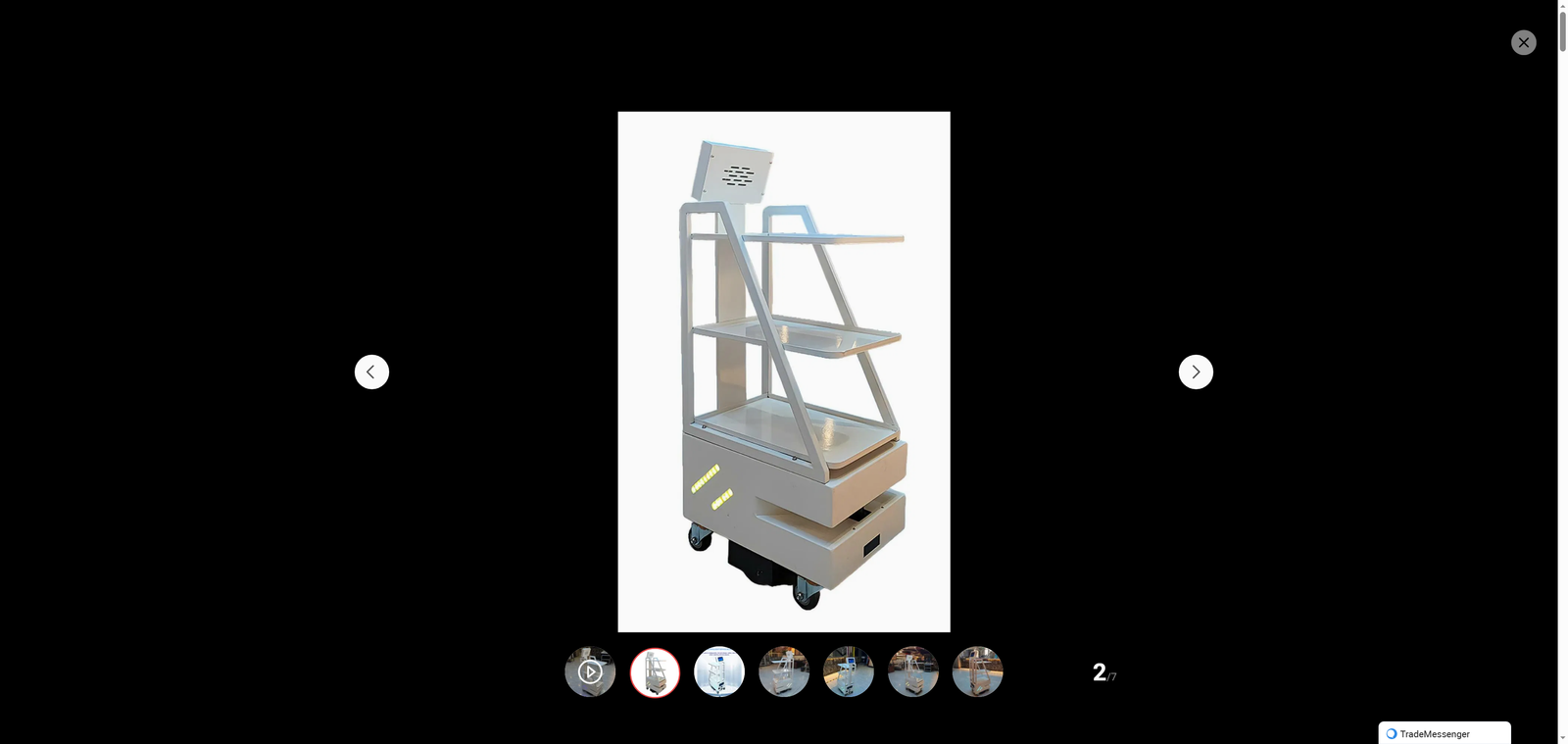
With the rapid development of artificial intelligence and robotics technology, the hospitality industry is undergoing a profound intelligent transformation. Among them, autonomous delivery service robots have gradually become a new "standard configuration" in high-end hotels, integrating welcome reception, intelligent distribution and other functions. These intelligent robots are no longer cold machines, but have become warm "hotel butlers" that enhance service quality, optimize operational efficiency and create personalized experiences, injecting new vitality into the traditional hospitality industry.
Autonomous delivery service robots, as the core carrier of hotel intelligent services, are equipped with advanced navigation positioning systems, obstacle avoidance sensors and intelligent control modules. They can accurately identify the hotel's spatial layout, automatically plan the optimal path, and flexibly avoid pedestrians, elevators and other obstacles, realizing fully autonomous movement without manual intervention. Whether it is the lobby, corridor, elevator or guest room floor, these robots can move freely, completing a series of service tasks efficiently and safely. Compared with traditional manual services, autonomous delivery robots have the advantages of 24-hour uninterrupted work, zero error rate and stable service quality, which greatly makes up for the shortcomings of manual service such as limited working hours, easy fatigue and uneven service level.
The welcome function of autonomous delivery service robots has become a bright spot in hotel services, breaking the traditional single welcome mode. When guests arrive at the hotel lobby, the robot can take the initiative to sense the arrival of guests through visual recognition technology, and greet guests warmly with a friendly voice and vivid expressions. It can not only provide basic services such as hotel introduction, check-in guidance and route explanation, but also interact with guests intelligently, answering various questions raised by guests, such as catering recommendations, scenic spot introduction and service hours. For foreign guests, the robot also supports multi-language switching, eliminating language barriers and making guests feel intimate and thoughtful service at the first moment of arrival. This intelligent welcome mode not only enhances the sense of technology and experience of guests, but also establishes a good first impression for the hotel.
Intelligent distribution is the core function of autonomous delivery service robots, which has significantly improved the efficiency of hotel logistics services. In the past, guests needed to call the front desk to deliver items such as mineral water, towels, snacks and express delivery, and the service staff needed to go back and forth between the front desk and the guest room, which not only took a long time, but also occupied a lot of human resources. Now, with the autonomous delivery robot, guests only need to place an order through the hotel APP or the landline in the room, and the robot will receive the order immediately, go to the designated location to pick up the items, and then accurately send them to the guest room door. During the delivery process, the robot will send a reminder message to the guest in real time, and the guest can open the door to take the items with one click, which is convenient and fast. In addition, the robot can also complete the distribution of items between different departments of the hotel, such as delivering clean linen to the guest room department, sending documents to the front desk, and delivering meals to the conference room, which optimizes the internal operation process of the hotel and reduces the labor cost of the hotel.
The application of autonomous delivery service robots in hotels not only brings convenience to guests and optimizes the hotel's operation and management, but also conforms to the development trend of green and intelligent travel. These robots use electric energy as power, which is clean and environmentally friendly, without exhaust emissions, in line with the concept of low-carbon development. At the same time, the promotion and application of robots has also promoted the transformation and upgrading of the hotel industry, prompting hotels to shift from traditional labor-intensive services to intelligent and technology-intensive services, improving the core competitiveness of hotels. In the post-epidemic era, autonomous delivery robots also play an important role in reducing contact between people, reducing the risk of cross-infection, and creating a safe and healthy living environment for guests.
Of course, the popularization of autonomous delivery service robots in hotels does not mean replacing manual services, but complementing and enhancing each other. Robots are responsible for repetitive, mechanical and efficient service tasks, while hotel staff can focus on providing more humanized and personalized services, such as emotional communication with guests, solving complex service needs, and creating a more warm and comfortable living experience for guests. This "robot human" service mode combines the efficiency of technology with the temperature of humanity, realizing the perfect integration of intelligence and humanization.
Looking to the future, with the continuous progress of technology, autonomous delivery service robots will be more intelligent and humanized. They may have more accurate emotion recognition ability, can adjust the service mode according to the guest's mood; they may also realize more functional integration, such as integrating cleaning, disinfection and other functions, becoming a multi-functional intelligent service robot. It is believed that in the near future, autonomous delivery service robots will become an indispensable part of the hotel industry, leading the new trend of intelligent hospitality and bringing a better service experience to more guests.