
Automatic Self-Service Intelligent Serving Food Delivery Robot: Reshaping the Future of Hotel and Restaurant Services
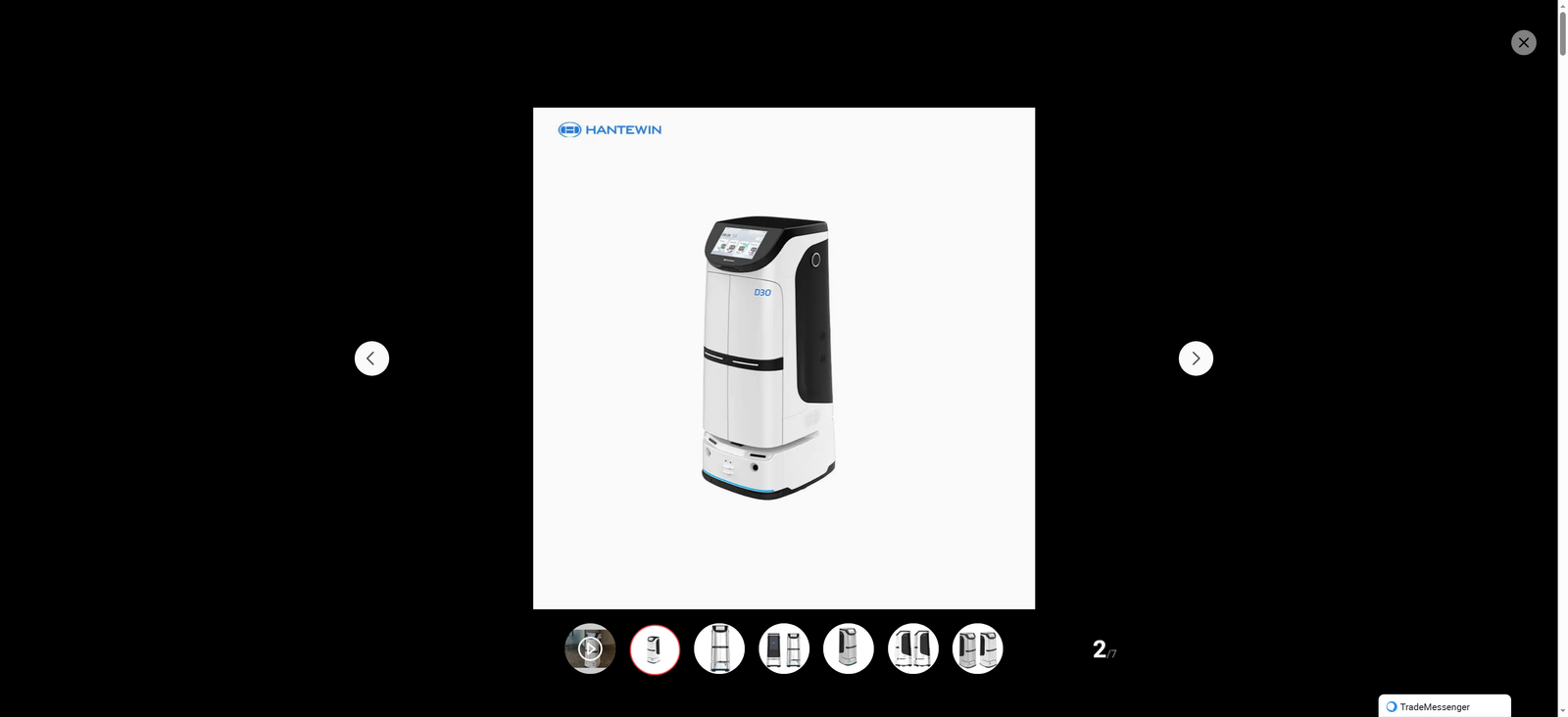
In the ever-evolving landscape of hospitality and catering, the integration of technology has become a key driver of operational efficiency and customer experience enhancement. Among the innovative solutions transforming the industry, the automatic self-service intelligent serving food delivery robot stands out as a game-changer. Designed specifically for hotel restaurants, this cutting-edge equipment combines autonomy, intelligence, and user-friendly features to redefine the food service workflow, addressing long-standing industry pain points while creating new value for both businesses and customers.
Core Technological Advantages: The Engine of Intelligent Service
At the heart of the automatic self-service intelligent serving food delivery robot lies a suite of advanced technologies that enable seamless, reliable, and efficient operation in complex hotel restaurant environments. High-precision navigation is one of its most critical capabilities, typically leveraging LDS SLAM VSLAM dual navigation systems paired with laser mapping and 3D camera sensing . This dual-navigation approach eliminates the need for auxiliary markers like ceiling stickers, allowing the robot to autonomously build high-precision indoor maps, plan optimal delivery routes, and adapt to dynamic scenarios such as crowded dining halls or temporarily blocked aisles. Even in narrow spaces as small as 70 cm, the robot can maneuver flexibly, thanks to its 3D obstacle avoidance technology that combines lidar sensors and visual recognition to detect and bypass obstacles in 0.5 seconds .
Intelligent interaction and autonomous management further elevate the robot's functionality. Equipped with a 7-inch HD interactive display, LED light strips, and customizable voice broadcast systems, the robot provides clear notifications when arriving at designated tables, reducing order errors and enhancing the dining experience . For multi-floor hotel environments, advanced models can seamlessly integrate with elevator control systems through IoT technology, enabling them to autonomously call elevators, select floors, and complete cross-floor deliveries without human intervention . When battery levels run low, the robot automatically returns to its charging station for self-docking charging, supporting up to 24 hours of continuous operation to meet the demands of peak dining periods .
Multi-robot coordination is another standout feature, powered by an independent scheduling system that allows multiple robots to work in tandem without congestion . This intelligent dispatch capability optimizes resource allocation during busy hours, ensuring that food is delivered to customers in the shortest possible time while reducing operational bottlenecks for restaurant staff.
Practical Value for Hotel Restaurants: Balancing Efficiency and Experience
For hotel restaurants, the adoption of automatic self-service intelligent serving food delivery robots translates to tangible operational improvements and enhanced customer satisfaction. One of the most pressing challenges in the catering industry—labor shortages—is effectively alleviated by the robot's ability to take over repetitive, labor-intensive tasks such as food delivery and dish retrieval . By automating these processes, hotel restaurants can redirect human staff to high-value tasks like personalized customer service, table-side assistance, and culinary refinement, creating a more balanced and efficient workforce allocation . In practice, such robots have been shown to increase delivery efficiency by up to 300% compared to manual service, while reducing labor costs and minimizing the physical strain on staff .
The robot also contributes to a safer and more consistent dining experience. In the post-pandemic era, contactless service has become a priority for many customers, and the robot enables food to be delivered directly from the kitchen to the table with minimal human contact . Detachable food trays with large load capacities (up to 15 kg per layer) further support hygiene management, as they can be easily removed and cleaned between uses . Additionally, the robot's consistent performance—free from human errors like missed orders or delayed deliveries—ensures a uniform service standard that enhances the hotel's brand reputation.
Beyond operational efficiency, the robot serves as a unique marketing asset for hotel restaurants. Its sleek, tech-forward design and interactive features create a memorable dining experience, attracting tech-savvy customers and becoming a conversation piece. For family-friendly hotels, the robot's voice prompts and visual indicators can engage younger diners, while multi-language support (enabled by integrated large language models) caters to international guests, aligning with the global service orientation of modern hotels .
Market Trends and Future Outlook: Toward a More Intelligent Ecosystem
The global hospitality robotics market is experiencing explosive growth, driven by the increasing adoption of automation solutions to address labor shortages, rising wage costs, and evolving customer expectations . Valued at approximately USD 2.8 billion in 2024, the market is projected to reach USD 12.5 billion by 2030, with a compound annual growth rate of 28.3% . Food delivery robots account for the largest share of this market (40%), reflecting their critical role in the hospitality industry's digital transformation .
As technology advances, the automatic self-service intelligent serving food delivery robot is evolving beyond basic delivery functions. Future iterations are expected to integrate more advanced AI capabilities, such as semantic understanding of customer requests, predictive delivery based on dining patterns, and integration with hotel PMS (Property Management Systems) and kitchen management systems .人形机器人 models, capable of performing more complex tasks like table cleaning and drink preparation, are also emerging, blurring the line between delivery and full-service assistance .
Cost reduction is another key trend driving broader adoption. Early service robots were prohibitively expensive, but advancements in manufacturing and component localization have brought prices down significantly—for example, some commercial models now cost less than USD 10,000 . This affordability has made the technology accessible to mid-sized and boutique hotel restaurants, not just large chains, democratizing the benefits of intelligent automation.
Conclusion
The automatic self-service intelligent serving food delivery robot is more than just a technological novelty—it is a transformative tool that is reshaping the operational model of hotel restaurants. By combining precision navigation, intelligent interaction, and efficient coordination, it addresses core industry challenges while enhancing customer experiences and brand value. As the hospitality industry continues to embrace digital transformation, these robots will become an indispensable part of the service ecosystem, driving efficiency, consistency, and innovation. For hotel restaurants looking to stay competitive in a rapidly changing market, investing in this intelligent technology is not just a choice but a strategic imperative to build a more sustainable and customer-centric future.