
Mobile Food Delivery Robots: Smart Contactless Service Transforming Restaurants
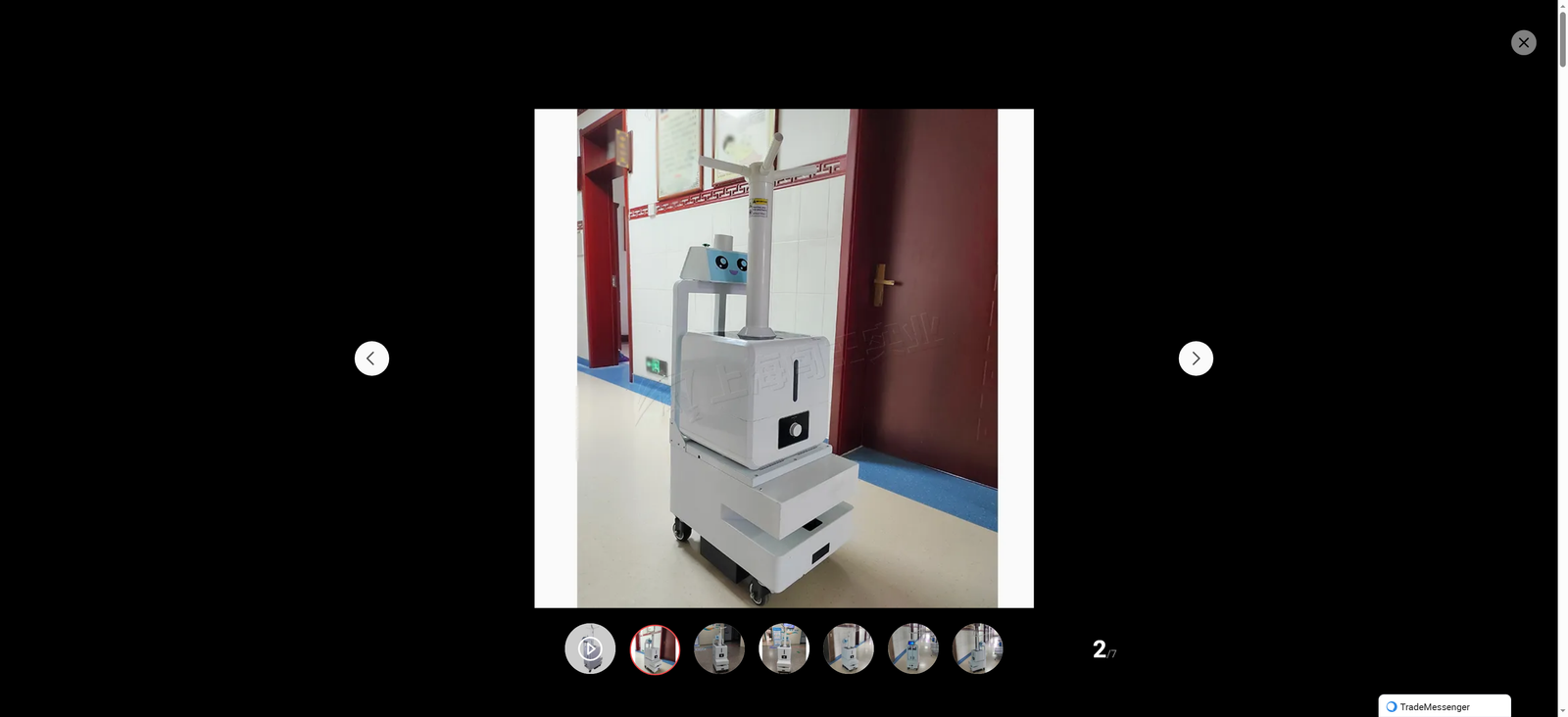
In the post-pandemic era, the catering industry is undergoing a profound transformation driven by demands for hygiene, efficiency, and digitalization. Mobile food delivery robots have emerged as a game-changer, redefining restaurant services with smart contactless solutions that balance operational optimization and customer experience. From fast-food chains to high-end dining venues, these intelligent devices are no longer experimental gadgets but essential assets reshaping the future of hospitality.
The Core Value of Smart Contactless Service
Contactless service has evolved from a temporary pandemic response to a long-term customer expectation. Mobile food delivery robots eliminate direct human-to-human contact during meal distribution, effectively reducing the risk of cross-infection and addressing consumers’ hygiene concerns . Beyond health and safety, this service model brings dual benefits to restaurant operators and diners.
For restaurants, labor cost control is a persistent challenge. With the catering industry facing high turnover rates and rising wage expenses, mobile food delivery robots serve as reliable 24/7 workforce supplements. They take over repetitive, labor-intensive delivery tasks, allowing human staff to focus on high-value services such as customer consultation and dish customization . A case study of a large chain restaurant showed that deploying delivery robots reduced peak-hour labor demand by 30% and cut daily operational costs by approximately 15% . For diners, the robots deliver meals with consistent speed and accuracy, avoiding human errors like wrong orders or delayed service, thus enhancing overall dining satisfaction.
Technological Backbone: Powering Intelligent Operations
The seamless performance of mobile food delivery robots relies on advanced core technologies that enable autonomous navigation, smart interaction, and reliable operation. At the heart of these devices is SLAM (Simultaneous Localization and Mapping) technology, which allows robots to build real-time environmental maps and plan optimal delivery routes, even in dynamic restaurant settings with moving customers and obstacles . Equipped with multi-sensor fusion systems, including laser radars and visual cameras, the robots achieve precise obstacle avoidance and in-place rotation, ensuring safe movement in narrow aisles and crowded dining areas .
Intelligent management features further enhance operational efficiency. Most models come with auto-charging capabilities—when battery levels drop below 10%, the robots automatically navigate to the nearest charging station, ensuring uninterrupted service . Advanced multi-machine scheduling systems enable coordinated operation of multiple robots, optimizing task allocation during peak hours to maximize delivery throughput . Some high-end models, such as the PadBot W3s, integrate advertising screens to display daily specials or promotional content, turning delivery robots into mobile marketing tools that boost secondary consumption .
Diversified Application Scenarios: Beyond Traditional Dining
Mobile food delivery robots are highly adaptable to various catering and commercial environments, expanding their value beyond standard restaurants. In fast-food chains and casual dining venues with high order volumes and standardized service processes, robots excel at high-frequency, short-distance deliveries, improving table turnover rates by up to 40% . In hotels and resort restaurants, they provide 24-hour room service, meeting the diverse timing needs of guests while reducing overnight staffing costs.
Specialized venues such as hospitals and university canteens also benefit significantly from these robots. Hospitals require strict hygiene controls and timely meal delivery for patients—robots deliver meals from sterile areas to wards without human intervention, reducing infection risks and lightening the burden on medical staff . A tertiary hospital reported a 35% increase in patient satisfaction after deploying delivery robots . University canteens, which face massive peak-hour dining pressure, use robots to streamline delivery workflows, cutting average waiting times by 20 minutes .
Market Trends and Future Outlook
The global mobile food delivery robot market is experiencing robust growth, driven by technological advancements and increasing industry demand. In China alone, the market size is expected to exceed 10 billion RMB by 2026 and reach nearly 50 billion RMB by 2030, with a compound annual growth rate of over 30% . The industry is shifting from single hardware sales to "software-hardware integration" solutions, with leading enterprises offering cloud-based management platforms and data analytics services to help restaurants optimize operations .
Future iterations of mobile food delivery robots will focus on smarter interaction and scenario integration. With the integration of large language models and embodied intelligence, robots will gain enhanced autonomous decision-making capabilities, enabling them to handle complex situations such as unexpected obstacles or customer requests . They will also achieve deeper integration with restaurant management systems, automated kitchen equipment, and elevators, forming a fully connected smart catering ecosystem . The rise of the RaaS (Robot-as-a-Service) model, which converts high upfront costs into low monthly subscriptions, is further lowering the adoption threshold for small and medium-sized restaurants .
Conclusion
Mobile food delivery robots are more than just a technological innovation—they are a strategic investment that empowers restaurants to adapt to changing market demands. By providing smart contactless services, these robots enhance hygiene standards, reduce operational costs, and create unique tech-driven dining experiences. As technology matures and market penetration deepens, mobile food delivery robots will become a staple in the catering industry, driving a new wave of efficiency and innovation. For forward-thinking restaurant operators, embracing this transformation is key to gaining a competitive edge in the digital age.