
AI-Powered Hotel Robots: Reshaping the Future of Hospitality Services
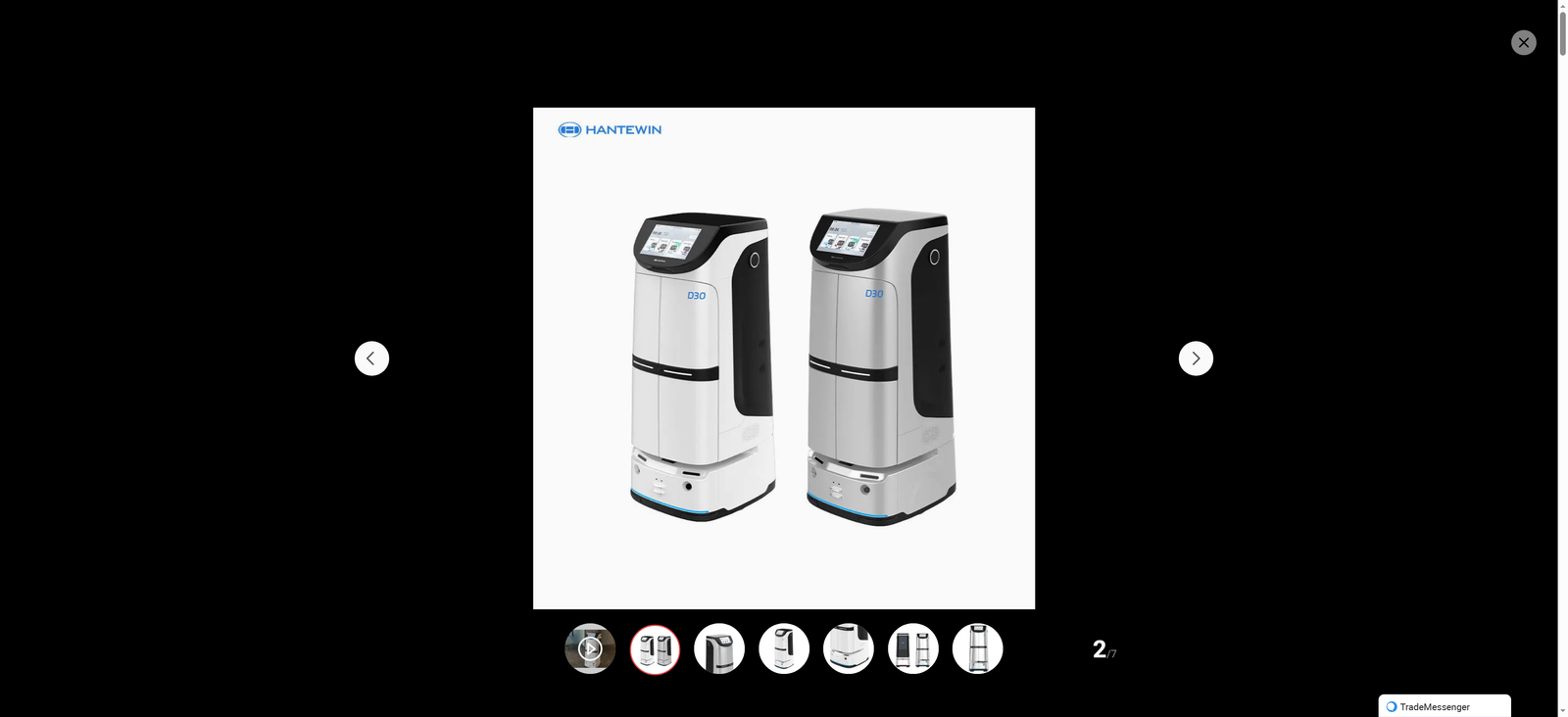
With the rapid advancement of artificial intelligence (AI) technology, the hospitality industry is undergoing a profound transformation. Among the various innovative applications, AI hotel robots have emerged as a game-changer, integrating artificial intelligent welcome service, elevator-riding assistance, and smart goods delivery into a single, efficient system. These intelligent robots are not only redefining the guest experience but also optimizing hotel operations, marking a new era of smart hospitality.
The artificial intelligent welcome service is the first touchpoint where guests encounter the charm of AI in hotels. Unlike traditional manual reception, AI robots are equipped with advanced speech recognition, computer vision, and natural language processing technologies, enabling them to provide 24/7, personalized welcome services. As soon as guests step into the hotel lobby, the robot can quickly recognize their faces, greet them warmly by name (if they have made a reservation), and offer basic information such as check-in guidance, hotel facilities introduction, and local travel recommendations. For example, when a guest arrives with luggage, the robot can proactively ask if they need help with luggage transportation and lead them to the front desk smoothly. This intelligent welcome service not only enhances the guest’s sense of belonging and satisfaction but also reduces the workload of the front desk staff, allowing them to focus on more complex service tasks.
One of the key advantages of AI hotel robots is their ability to get on the elevator independently, breaking the spatial limitations of traditional service robots. In the past, most service robots could only move on a single floor, which restricted their service scope. However, with the integration of elevator intelligent control systems, modern AI hotel robots can seamlessly call elevators, recognize elevator doors, and choose the correct floor according to the task requirements. This function is particularly crucial for goods delivery services. When a guest orders room service, such as food, drinks, or toiletries, the hotel staff only needs to place the items in the robot’s storage compartment and input the guest’s room number. The robot will then automatically navigate to the elevator, call it, enter safely, and reach the designated floor accurately. During the elevator ride, the robot can also avoid collisions with other passengers and maintain a stable state of the goods, ensuring that the items are delivered to the guest in good condition. This elevator-riding capability greatly improves the efficiency of goods delivery, shortens the waiting time for guests, and realizes "one-stop" service from the hotel backstage to the guest room.
Smart goods delivery is the core application scenario of AI hotel robots, bringing unprecedented convenience to both guests and hotels. For guests, they no longer need to go to the front desk in person to pick up items such as express packages, laundry, or forgotten belongings. They only need to receive a notification on their mobile phone or hotel room phone, and the robot will deliver the items to their door. The robot can also complete contactless delivery, which is especially important in the post-pandemic era, effectively reducing the risk of cross-infection and ensuring the health and safety of guests and staff. For hotels, smart goods delivery robots can significantly reduce the labor cost of manual delivery. In large hotels, the number of daily goods delivery tasks is huge, and manual delivery requires a lot of time and energy. With AI robots, hotels can realize 24-hour uninterrupted delivery services, improve delivery efficiency by more than 50%, and reduce the error rate of delivery. In addition, the robot can record delivery data in real-time, such as delivery time, item type, and guest feedback, which provides valuable data support for hotels to optimize their service processes.
Beyond the three core functions, AI hotel robots also have strong scalability and compatibility. They can be connected to the hotel’s central management system, realizing information sharing and intelligent collaboration with other hotel facilities, such as smart room control systems, parking lot management systems, and security monitoring systems. For example, when a guest checks out via the robot, the robot can notify the housekeeping department to clean the room in advance; when the robot detects an abnormal situation in the corridor during the patrol, it can immediately send an alarm to the security department. This integrated intelligent management model makes the hotel’s operation more efficient, standardized, and intelligent.
Of course, the popularization and application of AI hotel robots also face some challenges, such as high initial investment, technical maintenance, and guest acceptance. However, with the continuous maturity of AI technology and the gradual reduction of hardware costs, these challenges are being gradually solved. More and more hotels are beginning to introduce AI robots, and guests are also becoming more and more accustomed to and recognized by this new type of service. It is undeniable that AI hotel robots are no longer a novelty, but have become an important part of the smart hotel ecosystem.
In conclusion, AI hotel robots, with their artificial intelligent welcome service, elevator-riding capability, and smart goods delivery function, are injecting new vitality into the hospitality industry. They are not only changing the way hotels provide services but also promoting the transformation and upgrading of the entire industry towards intelligence and refinement. In the future, with the continuous innovation of AI technology, hotel robots will have more advanced functions, such as emotional interaction, more flexible movement, and more personalized service capabilities. They will become the "intelligent partners" of hotels, creating a more comfortable, efficient, and humanized accommodation experience for guests, and leading the hospitality industry into a smarter and brighter future.