
AI Obstacle Avoidance Food Delivery Robot with Charging Pile: Revolutionizing Catering and Hotel Services
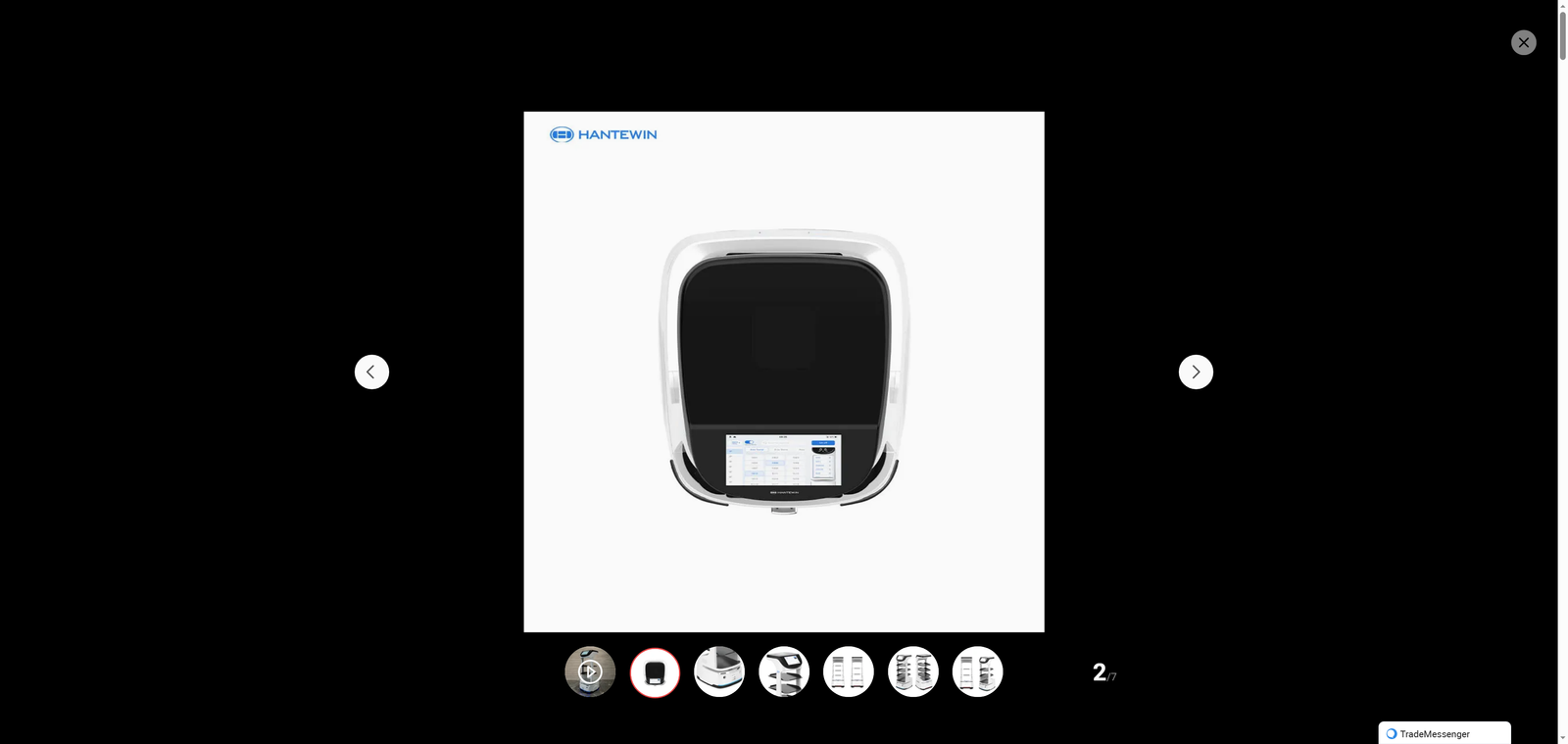
In the era of intelligence, the catering and hotel industries are undergoing a profound transformation driven by technological innovation. Among the emerging smart devices, the Artificial Intelligent Obstacle Avoidance Food Delivery Robot for Restaurant Hotels with Charging Pile has become a key breakthrough in solving pain points such as labor shortages, inefficient service, and high operation costs. By integrating advanced artificial intelligence, obstacle avoidance technology and self-charging functions, this robot is not only a tool for delivering food and goods, but also a core part of building smart catering and hotel ecosystems, injecting new vitality into the service industry.
The catering and hotel industries have long been plagued by labor-related challenges. During peak hours, restaurants often face a shortage of waiters, leading to delayed food delivery, wrong orders, and reduced customer satisfaction. Hotels, on the other hand, need to allocate a large number of staff to deliver meals, towels, and other items to guest rooms, which increases labor costs and may cause service delays due to human factors. The emergence of AI food delivery robots perfectly addresses these issues. Equipped with high-precision obstacle avoidance systems, the robot can flexibly navigate through crowded dining halls, narrow corridors, and complex hotel lobbies, accurately avoiding pedestrians, tables, chairs, and other obstacles without manual intervention. This not only improves the efficiency of food and goods delivery, but also reduces the risk of human error, ensuring that services are provided in a timely and accurate manner.
The core competitiveness of this food delivery robot lies in its advanced AI obstacle avoidance technology. Unlike traditional robots that rely on pre-set routes, the AI obstacle avoidance system adopts a multi-sensor fusion scheme, integrating laser radar, visual cameras, ultrasonic sensors, and infrared sensors. Laser radar provides high-precision 3D environmental mapping, enabling the robot to accurately perceive the surrounding environment within a radius of several meters; visual cameras recognize pedestrians, obstacles, and traffic signs in real time, realizing dynamic path planning; ultrasonic sensors and infrared sensors complement the perception blind spots of laser radar and cameras, ensuring that the robot can respond to sudden obstacles in time even in low-light or complex environments. With the support of AI algorithms, the robot can learn from the environment continuously, optimize its navigation path, and adapt to different layout styles of restaurants and hotels, showing strong environmental adaptability.
The matching charging pile is another highlight of this robot system, which solves the problem of "power anxiety" for smart devices. The charging pile is designed to be compact and easy to install, and can be placed in idle corners of restaurants or hotels without occupying valuable service space. The robot is equipped with an intelligent power detection module. When the power is lower than the set threshold, it will automatically plan the route to the nearest charging pile, complete automatic docking and charging through infrared positioning and wireless charging technology, and resume work automatically after being fully charged. This fully automatic charging mode eliminates the need for manual charging and management, greatly reducing the workload of staff and ensuring that the robot can operate 24 hours a day stably. In addition, the charging pile supports multiple robots to charge at the same time, which is suitable for large-scale application scenarios such as chain restaurants and high-star hotels.
In practical applications, the AI obstacle avoidance food delivery robot with charging pile has shown broad application prospects in both restaurants and hotels. In restaurants, the robot can undertake tasks such as delivering dishes, collecting tableware, and distributing water. During peak hours, multiple robots can work collaboratively, quickly delivering food from the kitchen to the dining table, shortening the waiting time of customers. For example, in a large hot pot restaurant, the robot can accurately deliver hot pot ingredients to the designated table according to the order information, avoiding the trouble of waiters shuttling through the crowded dining hall. In hotels, the robot can be used for room service, such as delivering meals, snacks, toiletries, and laundry, and can also be used for public area services, such as delivering water and paper towels to the lobby lounge. Guests only need to place an order through the room phone or mobile app, and the robot will deliver the items to the door of the room accurately, protecting the privacy of guests while improving service efficiency.
In addition to improving service efficiency and reducing labor costs, this robot also brings more added value to restaurants and hotels. On the one hand, the novel intelligent robot has become a "net red check-in point" in many catering and hotel venues, attracting a large number of young customers to experience, enhancing the brand influence and popularity of the venue. On the other hand, the robot can record service data in real time, such as delivery time, order quantity, and customer feedback, and generate data reports through AI analysis. Managers can adjust service strategies and optimize operational processes based on these data, realizing refined management. At the same time, the use of robots reduces the contact between people, which is more in line with the health and safety requirements of the post-epidemic era, and enhances customers' sense of security.
Of course, the promotion and application of AI food delivery robots still face some challenges, such as the high initial investment cost, the need for venue transformation in individual old restaurants and hotels, and the acceptance of some elderly customers. However, with the continuous progress of technology and the gradual reduction of production costs, these problems will be gradually solved. At present, more and more chain catering brands and high-star hotels have begun to introduce this type of robot, and the market demand is showing a rapid growth trend.
In conclusion, the AI Obstacle Avoidance Food Delivery Robot for Restaurant Hotels with Charging Pile is a perfect combination of AI technology and service industry needs. It not only solves the long-standing pain points of the catering and hotel industries, but also promotes the transformation and upgrading of the service industry towards intelligence, refinement and high efficiency. With the in-depth development of intelligent technology, it is believed that this type of robot will be more widely used in the future, creating a better service experience for customers and bringing more development opportunities for operators.