
Impact-Resistant Durable Reception Robot: Redefining Reliability in Frontline Service
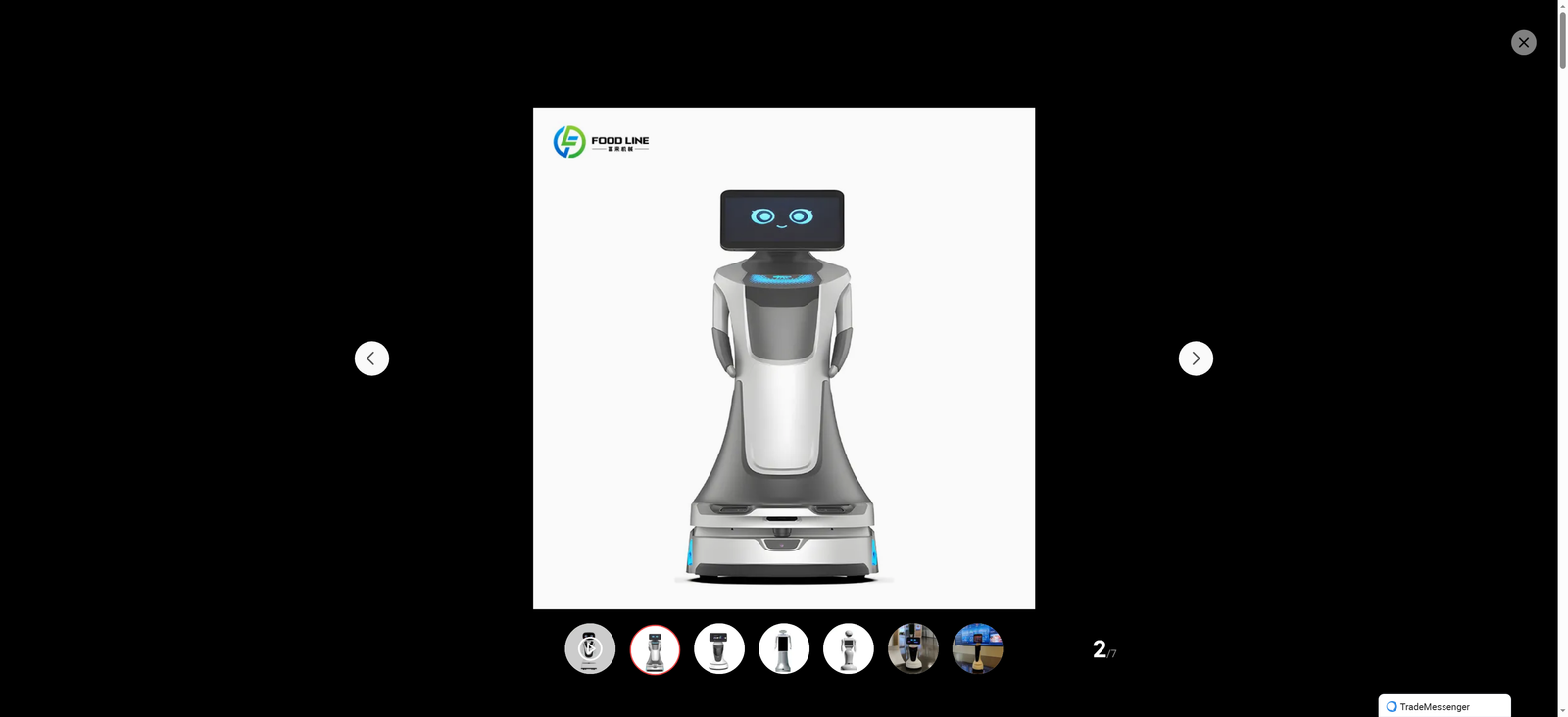
In the era of intelligent service, reception robots have become indispensable assets in hotels, corporate lobbies, hospitals, and public spaces, taking on roles from greeting visitors to managing appointments and providing real-time guidance. However, the harsh reality of high-traffic environments—where collisions, accidental impacts, and continuous operation are inevitable—has long posed a challenge to the longevity and stability of traditional reception robots. Enter the impact-resistant durable reception robot: a technological innovation that combines the versatility of intelligent reception with exceptional robustness, solving the pain points of fragility and high maintenance costs, and setting a new standard for reliable frontline service robotics.
The core value of an impact-resistant durable reception robot lies in its ability to withstand the rigors of daily use without compromising performance, a feat achieved through advanced material selection and structural design. Unlike conventional reception robots that rely on fragile casings and rigid internal components, these next-generation robots integrate cutting-edge protective materials and flexible structural engineering. Many models adopt high-strength, lightweight composite materials or reinforced环保 ABS materials, which offer superior impact absorption while keeping the robot’s overall weight manageable for smooth mobility. Inspired by tensegrity architecture—an innovative design combining rigid struts and elastic tendons—some advanced models can absorb large external loads, surviving even harsh impacts such as falls from significant heights without structural damage. Additionally, key components such as joints and chassis are equipped with flexible protection mechanisms: multi-wheel or omni-directional chassis with collision sensors can detect potential impacts in real time and adjust movement to minimize damage, while flexible joints with anti-impact capabilities prevent breakage during accidental collisions.
Durability, another defining feature, is reflected in every aspect of the robot’s design and functionality, ensuring consistent performance over long-term, high-frequency operation. These robots are built to endure extended working hours—many boasting a battery life of 12 hours or more with fast charging capabilities, supporting 24/7 uninterrupted service without frequent downtime for recharging. They also feature enhanced environmental resistance: with IP protection ratings ranging from IP23 to IP53, they can withstand dust, minor spills, and temperature fluctuations between 0°C and 55°C, making them suitable for both indoor and semi-outdoor environments such as shopping malls, airports, and exhibition centers. Internal electronic components are sealed and reinforced to prevent damage from vibration or accidental impact, while advanced navigation systems—including LiDAR SLAM and 3D避障 cameras—enable the robot to navigate complex, crowded spaces safely, reducing the risk of collisions in the first place.
Beyond their rugged construction, impact-resistant durable reception robots retain all the intelligent capabilities that make reception robots valuable, seamlessly integrating robustness with functionality. Equipped with advanced AI voice interaction systems, multi-microphone arrays, and high-precision speech recognition (up to 97% accuracy), they can engage in natural, empathetic conversations with visitors, answer queries, provide personalized recommendations, and support multilingual communication—critical for international environments. Facial recognition technology allows them to identify returning visitors, deliver customized greetings, and streamline check-in or appointment verification processes, enhancing the visitor experience while reducing administrative burden on human staff. Many models also offer additional features such as appointment management, real-time arrival notifications, wayfinding, and even promotional displays via high-definition screens, making them versatile assets for businesses looking to elevate their service quality.
The practical applications of impact-resistant durable reception robots span across multiple industries, addressing unique pain points in each sector. In the hospitality industry, for example, robots like Buddy and Nova have been deployed in hotel chains to provide 24/7 multilingual reception, guide guests to rooms, and recommend local attractions—all while withstanding the hustle and bustle of busy lobbies, where accidental bumps from luggage carts or rushing guests are common. In healthcare settings, these robots assist with patient registration, wayfinding, and health education dissemination, operating reliably in high-traffic corridors without being damaged by wheelchairs or medical equipment. In corporate lobbies and industrial zones, they serve as efficient digital receptionists, managing visitor check-ins and internal communications while enduring the wear and tear of daily industrial or office activity. Even at large events and exhibitions, these robots shine as brand ambassadors, engaging attendees, guiding them to booths, and capturing attention—all while withstanding the crowds and occasional impacts that come with large gatherings.
As the global reception robot market continues to grow—projected to expand from $1.3 billion in 2024 to over $11 billion by 2033 with a CAGR of 26.6%—the demand for impact-resistant and durable models is set to rise sharply. Businesses are increasingly recognizing that the total cost of ownership of a reception robot depends not just on its initial price, but also on its maintenance costs and lifespan. Impact-resistant durable models reduce downtime and repair expenses significantly, offering a higher return on investment compared to fragile traditional robots. Moreover, as AI and robotics technology advance, future iterations of these robots are expected to become even more robust, with lighter yet stronger materials, improved impact detection systems, and enhanced integration with enterprise software platforms—further solidifying their role as essential frontline service tools.
In conclusion, the impact-resistant durable reception robot represents a pivotal advancement in intelligent service technology, bridging the gap between functionality and reliability. By combining rugged construction with advanced AI capabilities, these robots are redefining what it means to be a frontline reception asset—offering consistent, high-quality service even in the harshest environments. They not only reduce maintenance costs and extend service lifespans for businesses but also enhance the visitor experience with their reliability and versatility. As industries around the world embrace automation and intelligent service, the impact-resistant durable reception robot is poised to become a cornerstone of modern frontline service, driving efficiency, improving customer satisfaction, and setting a new benchmark for reliability in robotic reception solutions.