
Voice Intelligent Communication and Distribution Service Robots: Empowering Multiple Scenarios with Technology
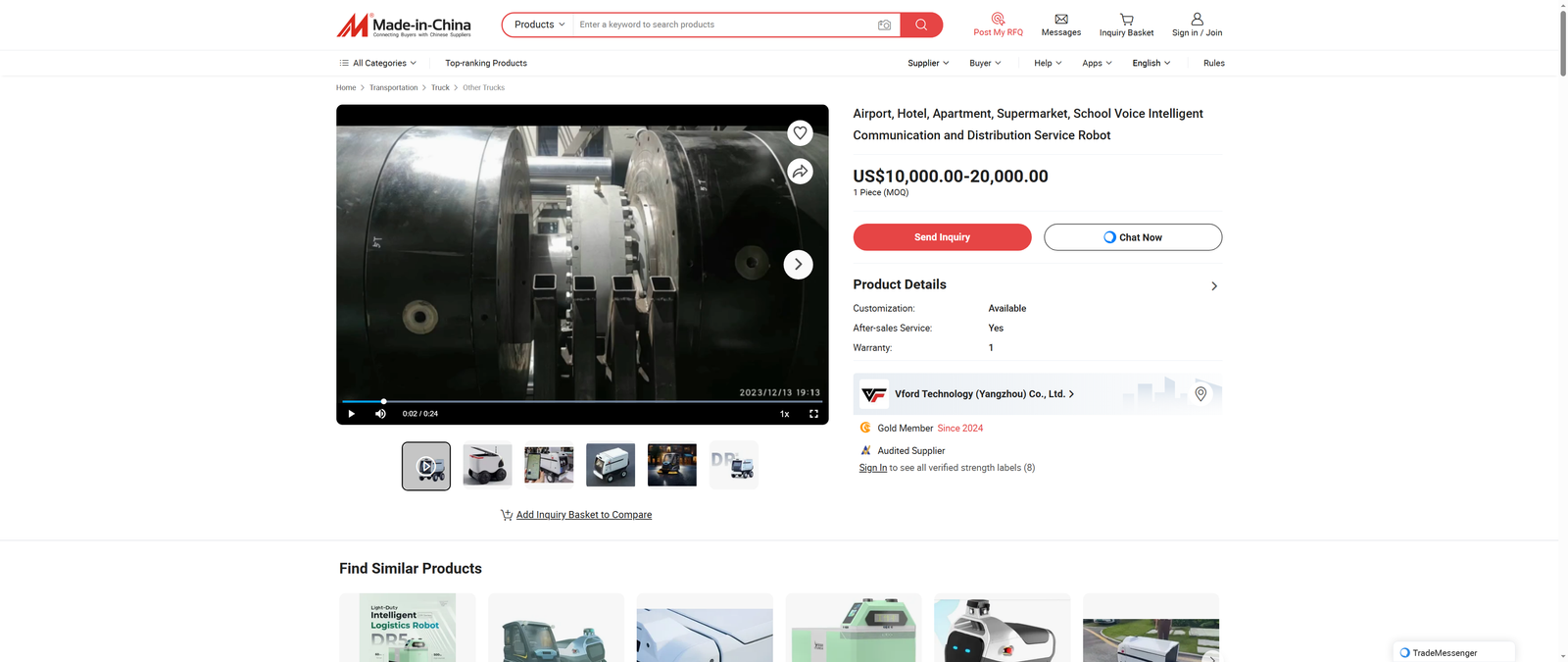
With the rapid development of artificial intelligence, voice recognition and intelligent navigation technologies, voice intelligent communication and distribution service robots have gradually stepped out of the laboratory and entered various public and living scenarios. As multi-functional intelligent terminals integrating voice interaction, autonomous navigation and material distribution, they are breaking the traditional service mode in airports, hotels, apartments, supermarkets, schools and other places, injecting new vitality into the efficiency improvement and quality upgrading of the service industry. These robots not only realize the "last mile" of material distribution, but also build a bridge of intelligent communication between people and scenes, becoming an important part of the intelligent transformation of society.
Airports, as window units of urban transportation, have the characteristics of large passenger flow, wide service area and various service demands. The introduction of voice intelligent communication and distribution service robots has effectively solved the pain points of traditional airport services. In terms of communication services, passengers only need to speak their needs, such as "query flight information", "find the boarding gate", "consult luggage consignment regulations", and the robot can quickly give accurate answers through voice recognition and background data docking. It can also guide passengers to the target location along the optimal route, avoiding the trouble of getting lost in the huge airport building. In terms of distribution services, the robot can undertake the tasks of delivering drinking water, snacks, magazines and other items to passengers in the waiting area, as well as delivering documents and materials between airport departments, which greatly reduces the workload of airport staff and improves service efficiency. Especially during the peak passenger flow period, the robot can work continuously for 24 hours without fatigue, effectively alleviating the pressure of insufficient human resources.
Hotels, as places providing accommodation and catering services, have always taken "high-quality service" as the core competitiveness. Voice intelligent communication and distribution service robots have become a new "service benchmark" for hotels, bringing guests a more convenient and personalized experience. When guests check in, the robot can guide them to the room, introduce the room facilities and service items through voice, and even help guests adjust the room temperature, lighting and other equipment according to the voice instructions. In the process of staying, guests can call the robot through the room intercom system or mobile app to deliver towels, mineral water, take-out and other items, without the need to wait for the service staff to come to the door. This not only saves guests' time, but also protects the privacy of guests to a certain extent. In addition, the robot can also undertake the work of patrol inspection in the hotel public area, reminding guests of safety precautions through voice, and reporting the situation to the hotel management platform in real time, which improves the safety management level of the hotel. For hotels, the application of robots not only reduces the cost of human resources, but also forms a unique intelligent service label, enhancing the brand influence.
Apartments, as a new type of living space, pay more attention to the convenience and comfort of residents' life. Voice intelligent communication and distribution service robots have become "intelligent housekeepers" in the community, integrating into the daily life of residents. In terms of daily distribution, the robot can help residents receive express delivery, take-out, fresh food and other items, and deliver them to the door of the residents' home accurately. Residents only need to confirm the receipt through voice or mobile phone verification, which solves the problem that residents are not at home to receive items and express delivery is placed in the public area and lost. In terms of communication services, the robot can release community notices, activity information and other content through voice broadcast, and residents can also consult the robot about property fees, maintenance services, community supporting facilities and other issues, and get timely replies. For the elderly residents who are not familiar with smart devices, the voice interaction mode is more friendly. They can call the robot to help them contact their families, query medical information and other services, which improves the sense of happiness and security of the elderly. In addition, the robot can also carry out regular disinfection in the public area of the apartment, and remind residents to do a good job in protection through voice, creating a healthy and safe living environment.
Supermarkets, as places for daily shopping of residents, have the characteristics of many commodity categories, large passenger flow and heavy logistics pressure. Voice intelligent communication and distribution service robots have brought new changes to the operation and service mode of supermarkets. In terms of shopping guidance, when consumers enter the supermarket, they can ask the robot for the location of commodities through voice, such as "where is the milk area", "how to get to the fresh food area", and the robot can guide consumers to the corresponding shelf accurately. At the same time, the robot can also introduce the characteristics, specifications, prices and other information of commodities to consumers, helping consumers make shopping decisions quickly. In terms of distribution services, the robot can undertake the tasks of replenishing goods in the supermarket, delivering commodities from the warehouse to the shelf, and delivering online shopping orders to the self-pickup point or directly to the consumers' home. This not only improves the efficiency of goods circulation, but also reduces the labor intensity of supermarket staff. In addition, the robot can also collect consumers' shopping preferences through voice interaction and feedback to the supermarket management department, providing data support for the supermarket's commodity procurement and layout optimization, helping the supermarket better meet the needs of consumers.
Schools, as places for education and teaching, have the dual needs of teaching service and campus management. Voice intelligent communication and distribution service robots have become important assistants in campus intelligent construction, providing all-round services for teachers and students. In terms of teaching services, the robot can be used as a "teaching assistant" to answer students' questions about knowledge points, play teaching videos and other content through voice interaction. It can also guide students to the library, laboratory, classroom and other places, and help teachers deliver teaching materials, test papers and other items between classrooms and offices. In terms of campus management, the robot can carry out patrol inspection in the campus, remind students to abide by campus rules and regulations through voice, and report the situation of the campus public area in real time, such as whether there are safety hazards, whether the environment is clean and tidy. For primary and secondary school students, the robot with vivid voice interaction can also become a "companion" to popularize safety knowledge, scientific common sense and other content for students, enriching students' extracurricular life. In addition, the robot can also help the school do a good job in the registration of teachers and students, the statistics of attendance and other work, improving the efficiency of campus management.
The wide application of voice intelligent communication and distribution service robots in multiple scenarios is not only the result of technological progress, but also the inevitable demand of the service industry for efficiency improvement and quality upgrading. However, in the process of popularization and application, there are still some problems to be solved, such as the accuracy of voice recognition in complex environments, the flexibility of robot navigation in crowded places, and the security of data interaction. With the continuous breakthrough of artificial intelligence, big data, Internet of Things and other technologies, these problems will be gradually solved, and the functions of voice intelligent communication and distribution service robots will be more perfect.
In the future, voice intelligent communication and distribution service robots will be more closely integrated with various scenarios, and will develop in the direction of more intelligence, personalization and humanization. They will not only be simple service tools, but also become important partners in people's work and life. In airports, they will realize more accurate flight information push and more intimate one-on-one service; in hotels, they will provide customized service plans according to guests' preferences; in apartments, they will become more intelligent life assistants integrating multiple functions; in supermarkets, they will realize seamless connection between online and offline shopping; in schools, they will become more professional teaching assistants and management assistants. With the continuous empowerment of technology, voice intelligent communication and distribution service robots will surely create a more convenient, efficient and intelligent life and service environment for people, and promote the rapid development of social intelligent transformation.