
Ai-Powered Serving Robots Enhance Your Dining Experience
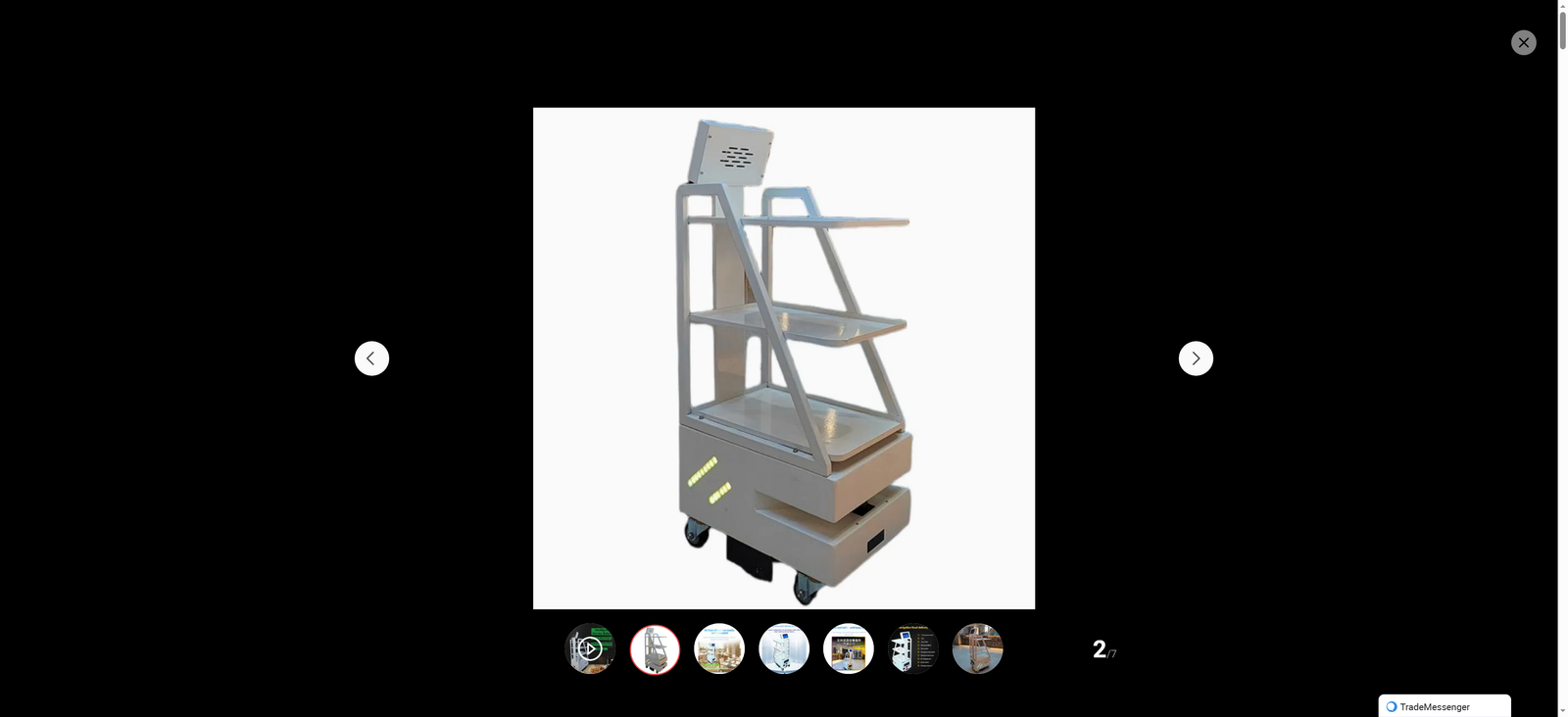
In an era where technology reshapes every aspect of daily life, the hospitality industry is undergoing a remarkable transformation driven by artificial intelligence. Among the most impactful innovations is the rise of AI-powered serving robots, which are no longer just futuristic novelties but essential tools that redefine dining experiences for customers, streamline operations for restaurant owners, and alleviate burdens for staff. From casual diners to high-end restaurants, these intelligent machines are seamlessly integrating into dining workflows, bringing efficiency, consistency, and a touch of innovation to every meal.
Gone are the days when serving robots were limited to simple, pre-programmed movements. Today’s AI-powered models leverage cutting-edge technologies to navigate complex dining environments, interact with customers naturally, and execute tasks with precision that rivals human servers. At the core of their functionality is multi-sensor fusion SLAM navigation technology, which combines laser radar, depth cameras, and inertial measurement units to create real-time maps of dining spaces and achieve centimeter-level positioning. This allows robots to glide effortlessly through crowded aisles, avoid sudden obstacles—whether it’s a child running between tables or a server carrying trays—and停靠 accurately at each table, ensuring no spills or delays even during peak hours.
One of the most significant ways AI serving robots enhance the dining experience is by eliminating long wait times, a common pain point for restaurant-goers. Equipped with advanced AI algorithms, these robots can handle multiple tasks simultaneously: delivering food from the kitchen to tables, clearing empty dishes, and even assisting with order taking or menu inquiries. For example, Bear Robotics’ Servi robot can carry up to 66 pounds of food at once and operate continuously for 10-12 hours on a single charge, while OrionStar’s smart serving robots can deliver meals 150 times a day—equivalent to the workload of 2-3 human servers. This efficiency translates to faster table turnover (increasing by 17-20% in restaurants using such robots) and reduced customer wait times by 25-30%, ensuring diners can enjoy their meals without unnecessary delays.
Beyond efficiency, AI-powered serving robots elevate the overall dining atmosphere through thoughtful design and intelligent interaction. Many models feature adorable bionic designs that charm customers, especially families with children, turning a simple meal into a memorable experience. Others are equipped with low-noise modes, operating silently to maintain a peaceful ambiance—critical for fine dining establishments or quiet cafes. Moreover, with the integration of large language models (LLMs), modern serving robots can engage in natural, multi-round conversations, answering questions about menu items, dietary restrictions, or special promotions with accuracy and friendliness. This transforms robots from mere “delivery tools” into helpful assistants that enhance customer engagement and satisfaction.
For restaurant owners and staff, AI serving robots address long-standing industry challenges, particularly labor shortages and high operational costs. The hospitality industry has lost millions of workers in recent years, leaving many restaurants understaffed and struggling to maintain service quality. Serving robots fill this gap by handling repetitive, physically demanding tasks—such as carrying heavy trays or walking back and forth between the kitchen and dining area—freeing up human staff to focus on high-value interactions, such as providing personalized service, upselling menu items, and addressing customer needs with empathy. This not only reduces staff burnout and turnover but also boosts productivity by up to 49% and cuts operational costs by over 31%.
The versatility of AI-powered serving robots makes them suitable for all types of dining establishments, from fast-food chains to luxury restaurants and even specialized venues like senior canteens. In杭州’s first “AI Robot Restaurant,” for instance, 8 robots handle over 60% of the workload, from cooking to serving and cleaning, while only 5 human staff focus on收银 and food preparation. These robots have even proven capable of maintaining “chef-level” consistency in food preparation, with built-in AI algorithms that replicate professional chefs’ cooking techniques and control火候 precisely. In large chain restaurants, multi-robot cooperation systems allow dozens of robots to coordinate tasks seamlessly, avoiding congestion and ensuring efficient service even during the busiest periods.
As AI technology continues to advance, serving robots are becoming even more intelligent and adaptable. Modern models feature centralized dashboards that allow restaurant owners to monitor and optimize robot performance in real time, customize menus, and track order accuracy. They also come with advanced safety features, such as wrong-item alerts to prevent mix-ups and spill-proof stabilizing trays for drink delivery. Some robots even offer data analytics capabilities, collecting insights on customer preferences and service bottlenecks to help restaurants refine their operations and improve the overall dining experience further.
Critics once argued that robots would strip the dining experience of its human touch, but the reality is quite the opposite. AI-powered serving robots complement human staff rather than replace them, handling the repetitive, time-consuming tasks so that servers can focus on what they do best—connecting with customers and creating meaningful interactions. A recent survey found that 65% of Gen Z diners are happy to have robots deliver their meals, and 38% of all adults are comfortable with robot servers, indicating that customers are embracing this technological evolution. Whether it’s a family enjoying a casual dinner, a group of friends celebrating a special occasion, or a business meeting over lunch, serving robots enhance these moments by ensuring efficient, consistent, and stress-free service.
In conclusion, AI-powered serving robots are revolutionizing the dining industry by enhancing customer experiences, streamlining operations, and supporting human staff. Their advanced technology, versatile functionality, and ability to adapt to diverse dining environments make them an invaluable asset for restaurants looking to stay competitive in a fast-changing market. By reducing wait times, improving service consistency, cutting costs, and adding a touch of innovation, these intelligent machines are not just transforming how we dine—they are setting a new standard for hospitality excellence. As AI continues to evolve, the future of dining promises to be even more efficient, personalized, and enjoyable, with serving robots leading the way.