
AI-Powered Service Robots: Transforming the Restaurant Hospitality Industry
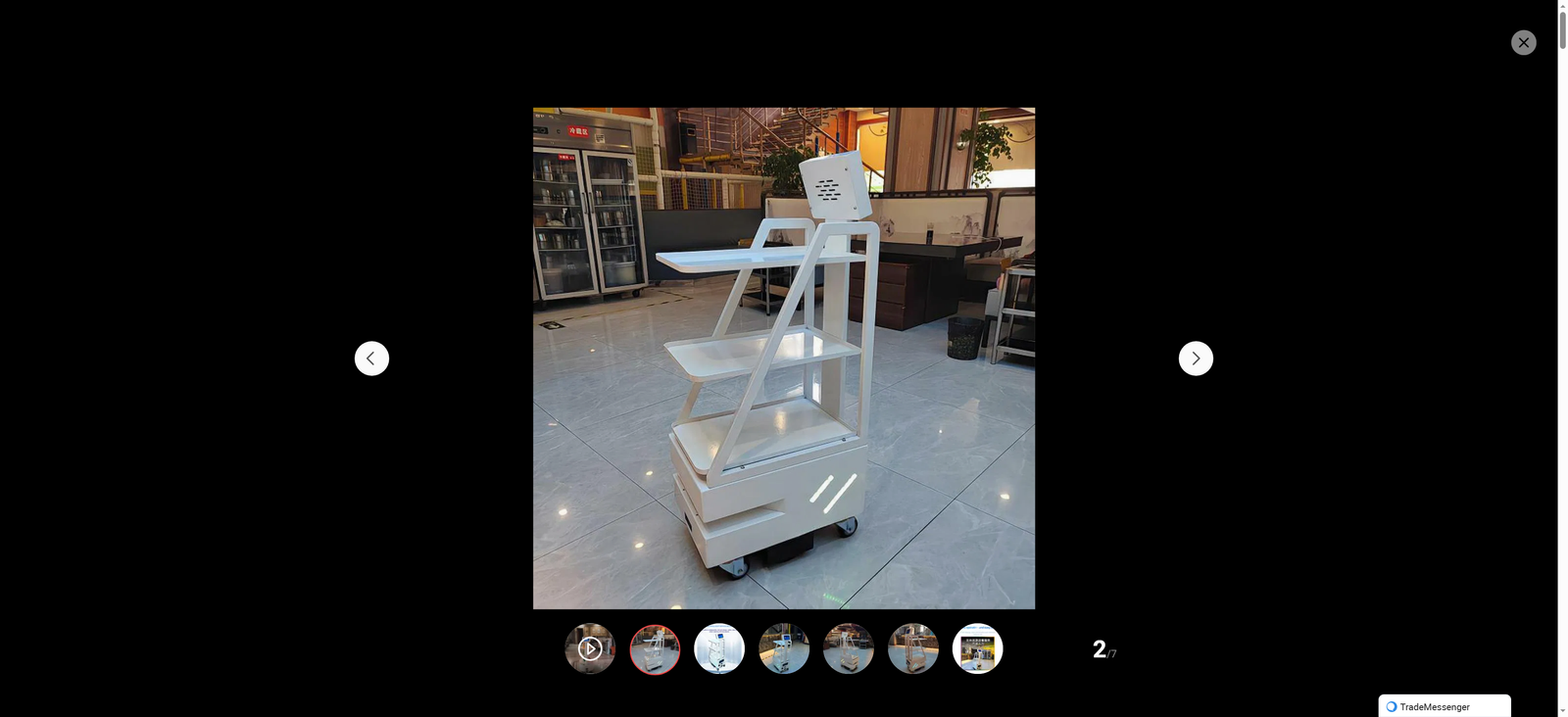
The restaurant hospitality industry is undergoing a paradigm shift driven by technological innovation, and AI-powered service robots have emerged as a transformative force. Faced with persistent challenges such as labor shortages, rising operational costs, and the demand for consistent service quality, restaurants worldwide are turning to intelligent robotic solutions to redefine efficiency, customer experience, and profitability. These advanced machines, integrated with artificial intelligence, machine learning, and IoT technologies, are no longer mere novelties but essential assets that seamlessly collaborate with human staff to create a smarter dining ecosystem.
Redefining Operational Efficiency: From Kitchen to Dining Hall
AI-powered service robots optimize every link in the restaurant operation chain, addressing long-standing pain points with precision and scalability. In the kitchen, smart cooking robots have revolutionized food preparation by translating culinary expertise into standardized digital protocols. Equipped with high-precision temperature control, mechanical arms that mimic professional chefs’ stir-frying motions, and AI algorithms calibrated through thousands of tests, these robots can cook up to dozens of dishes—from Sichuan stir-fries to Western entrees—in 2 to 5 minutes with consistent flavor and texture. Unlike human chefs, their performance is unaffected by fatigue or mood, ensuring that every plate served meets the brand’s quality standards, a critical advantage for chain restaurants striving for uniformity across locations.
Front-of-house operations have also been elevated by delivery and service robots. Equipped with laser radar, depth-sensing cameras, and predictive obstacle avoidance systems, these robots navigate crowded dining halls, narrow corridors, and dynamic environments with remarkable agility. They can handle single or multiple-point deliveries, transport hot and cold dishes safely, and even recover used tableware, reducing the risk of spills to less than 0.1%. A single delivery robot can complete 400 to 600 dish deliveries per day—equivalent to the workload of 2 to 3 human servers—freeing staff from repetitive, physically demanding tasks to focus on high-value customer interactions.
Elevating Customer Experience: Personalized and Seamless Service
Modern diners seek more than just delicious food; they crave efficient, engaging, and personalized experiences—and AI service robots deliver on all fronts. Advanced models integrated with natural language processing (NLP) and multi-modal interaction capabilities can greet customers, guide them to their seats, and answer basic inquiries about menus or promotions. For family-friendly restaurants, these robots add a touch of novelty by engaging children in simple conversations, becoming a unique attraction that boosts customer retention. For elderly patrons, clear voice prompts and precise service reduce dining friction, enhancing accessibility and satisfaction.
Beyond basic interactions, AI robots synergize with restaurant management systems to enable personalized service. By integrating with order platforms and customer relationship management (CRM) tools, they can access diners’ historical preferences and recommend tailored dishes, driving upselling and cross-selling. In smart canteens and fast-casual outlets, AI-powered self-checkout robots with visual recognition technology complete multi-dish identification and payment in just 1 second, eliminating long queues and enabling a “dine and go” experience that aligns with modern consumers’ fast-paced lifestyles.
Driving Profitability: Cost Reduction and Revenue Growth
For restaurant owners, the financial benefits of AI-powered service robots are undeniable. Labor costs, which account for a significant portion of operational expenses, can be reduced by up to 60% with robotic integration. A single operator can manage 5 to 6 cooking robots simultaneously, replacing a team of chefs, while delivery robots cut front-of-house staffing needs without compromising service capacity. For small and medium-sized restaurants, flexible rental models (with monthly fees ranging from $150 to $350 per robot) lower the entry barrier, allowing businesses to realize cost savings within 5 to 8 months of deployment.
Moreover, robots contribute to revenue growth through improved operational capacity and customer satisfaction. Faster cooking and delivery times increase table turnover rates, enabling restaurants to serve more customers during peak hours. Data from global chain restaurants shows that locations equipped with AI service robots have seen a 30% to 40% increase in service efficiency and a corresponding rise in customer retention rates. Additionally, robots serve as silent marketing ambassadors—their presence generates social media buzz and attracts tech-savvy diners, expanding the restaurant’s customer base.
Real-World Success: Proven Impact Across Dining Segments
AI-powered service robots have demonstrated their versatility across diverse restaurant formats, delivering tangible results for businesses of all sizes. In fast-food chains, the integration of self-ordering robots, cooking robots, and delivery systems has boosted order fulfillment speed by 50% and reduced food waste by 5% to 10% through precise ingredient measurement. High-end restaurants leverage robotic assistants to handle routine tasks, allowing human staff to focus on personalized table service—leading to a 35% increase in repeat customer rates and higher NPS scores.
In institutional settings such as hospital canteens and school cafeterias, robots equipped with UV disinfection modules ensure food safety and reduce cross-infection risks, while smart tray systems with AI recognition enable accurate nutrition tracking and waste reduction. One三甲医院 (tertiary hospital) in Shanghai reported a 96% patient satisfaction rate after deploying delivery robots, thanks to their 100% delivery accuracy and hygienic service.
The Future of Dining: Human-Robot Collaboration
The rise of AI-powered service robots is not about replacing human staff but creating a synergistic partnership that combines the efficiency of technology with the warmth of human interaction. Future advancements will see robots equipped with emotional recognition capabilities, AR/VR integration for immersive menu experiences, and predictive analytics to anticipate customer needs—such as refilling drinks before a glass is empty. As 5G and edge computing technologies mature, multi-robot collaboration will become more seamless, with centralized AI systems orchestrating tasks across the entire restaurant ecosystem.
For restaurants looking to stay competitive in a rapidly evolving industry, adopting AI-powered service robots is no longer an option but a strategic imperative. These intelligent solutions deliver measurable improvements in efficiency, cost control, and customer experience, positioning businesses to thrive in the era of smart dining. As technology continues to advance, the restaurants that embrace human-robot collaboration will not only redefine hospitality but also set new standards for the industry.